
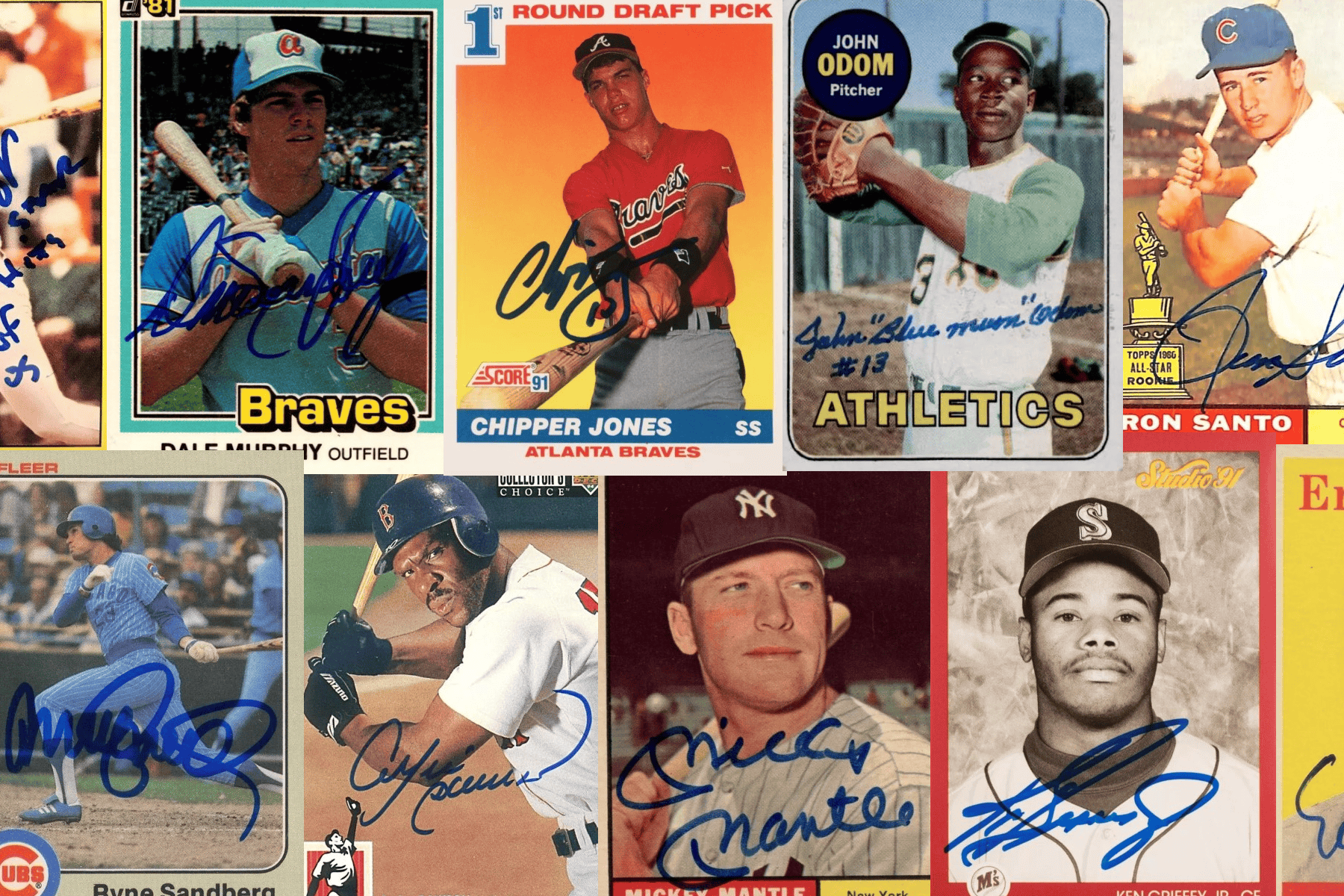
Autograph authentication is the process that separates a genuine player signature from a clever forgery. For collectors, this distinction determines whether a signed card is worth hundreds of dollars or worth nothing at all. A signature alone tells you very little, but a signature backed by a trusted third-party opinion tells you a great deal.
The autograph market has grown alongside the broader hobby, and so has the number of fakes in circulation. Skilled forgers can replicate the basic shape of a famous name, and casual collectors often cannot tell the difference between a real signature and a practiced copy. This is where authentication companies step in, using trained eyes and specialized tools to render a judgment that the market respects.
Understanding how these companies actually work gives collectors real power. It helps you know what you are paying for, what a certification label means, and which details separate a strong autograph from a questionable one.
What Autograph Authentication Actually Means
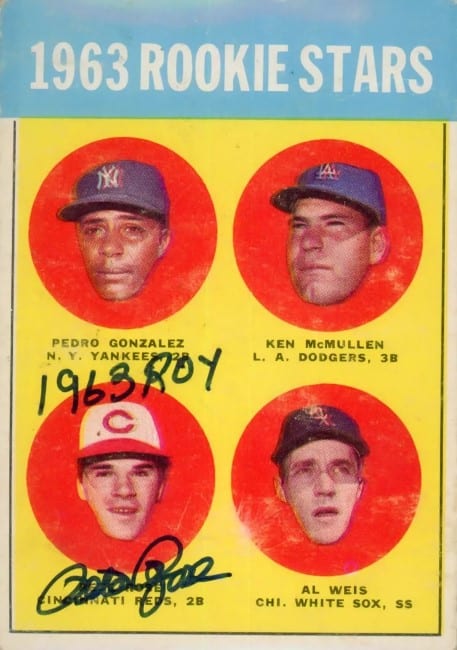
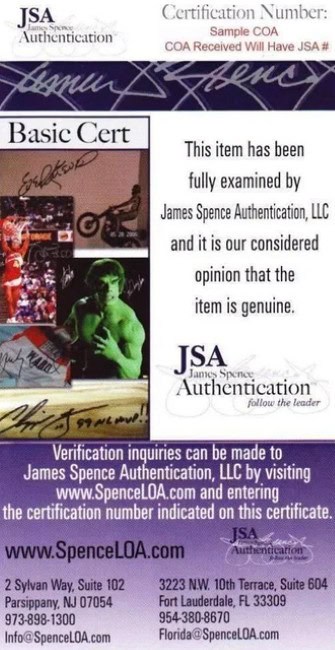
Authentication is the process of having a qualified, independent expert examine a signature and issue an opinion on whether it is genuine. This opinion usually comes with a certificate of authenticity, often shortened to COA, and a matching serial number that buyers can look up online.
The word independent matters here. A reputable authenticator has no financial stake in whether a specific autograph is judged real or fake. Their reputation depends on getting the call right, so they have every incentive to be thorough. This is different from a seller simply claiming an item is authentic, which offers no outside verification at all.
Authentication does not grade the artistic quality of a signature, though some services offer that as a separate feature. The core service answers one question: did this specific player actually write this specific autograph? Everything else, including condition and eye appeal, is handled through other parts of the grading process.
For baseball cards specifically, authentication has become closely tied to value. A signed rookie card with a verified certification can sell for a significant premium over an unverified one, even when both cards look identical to the naked eye.
The Major Third-Party Authenticators
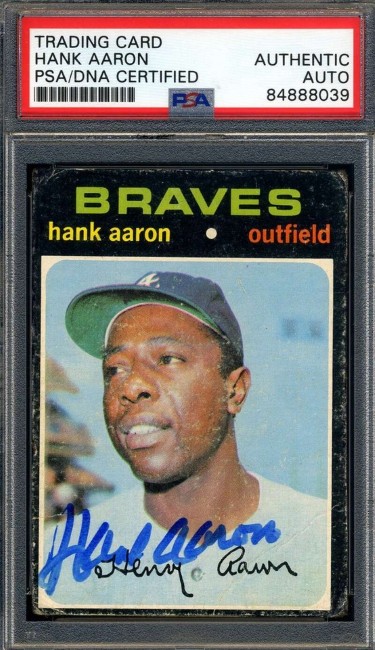
A handful of companies dominate the autograph authentication space, and collectors will see their names constantly at shows, in auction listings, and on card holders.
- PSA/DNA is the authentication division of Professional Sports Authenticator, and one of the most recognized names in the hobby. PSA authenticators conduct ink analysis, autograph structure analysis, object evaluation, and side-by-side comparisons, and they may use a video spectral comparator for closer inspection.
- JSA (James Spence Authentication) was founded by longtime autograph expert James Spence. JSA employs industry experts who examine signatures, compare them to known exemplars, and use forensic tools to confirm their legitimacy.
- Beckett Authentication Services (BAS) is part of the well-known Beckett brand. BAS experts analyze ink, structure, and exemplar comparisons, and they have access to advanced tools like Pro-Scope and VSC machines for closer inspection.
- Fanatics Authentic is a newer but increasingly prominent name, especially for items signed through official athlete signing events.
Each company uses its own label design and its own online database, but the underlying goal is the same. They want buyers to be able to verify a certification number in seconds and trust the result. Choosing an item authenticated by one of these established names is generally a safer bet than buying an unauthenticated signature, no matter how convincing it looks.
How Authenticators Examine a Signature
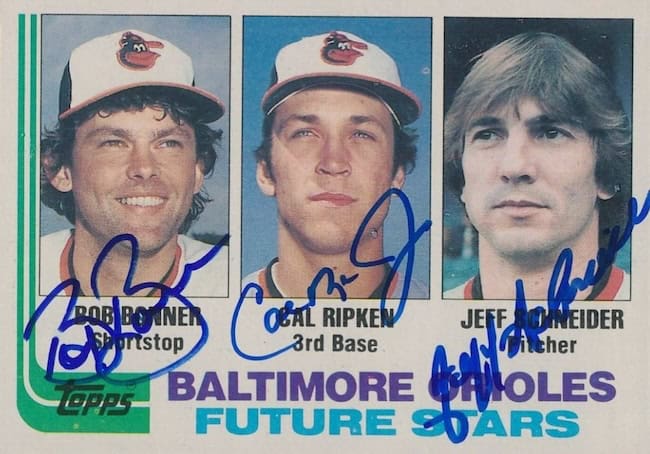
Authentication is not a quick glance. It is a layered process that draws on handwriting analysis, materials science, and historical knowledge of a player’s career.
Comparing Against Known Exemplars
Every authenticator maintains a library of verified genuine signatures for thousands of athletes, collected over years of witnessed signings and documented sales. When a new autograph arrives for review, the expert compares it against these exemplars. They study letter formation, slant, spacing, stroke pressure, and the natural rhythm of how a player writes their name. Genuine signatures show consistent muscle memory, even when they vary slightly from one signing to the next. Forgeries often look close but feel mechanically traced or hesitant under close inspection.
Ink and Materials Analysis
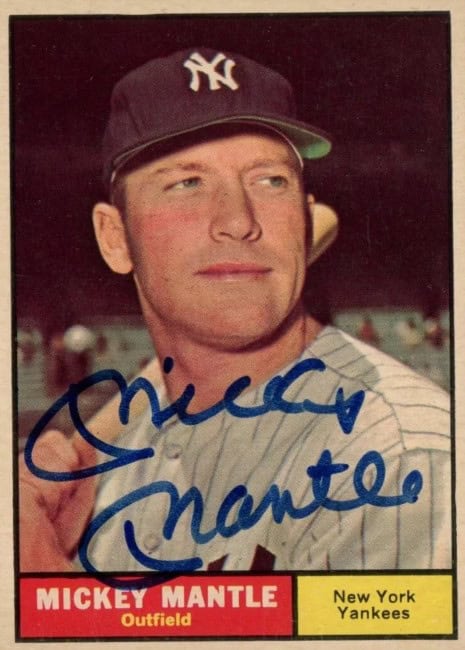
There is a lot of science to autograph authentication, and the ink itself can reveal a great deal. Experts examine ink flow, color, and how it interacts with the surface it was applied to. Some tools can help estimate roughly how old ink is, which matters when a signature claims to come from decades ago. If a supposedly vintage autograph sits on ink that behaves like a modern pen, that mismatch raises an immediate red flag.
Timing and Career Context
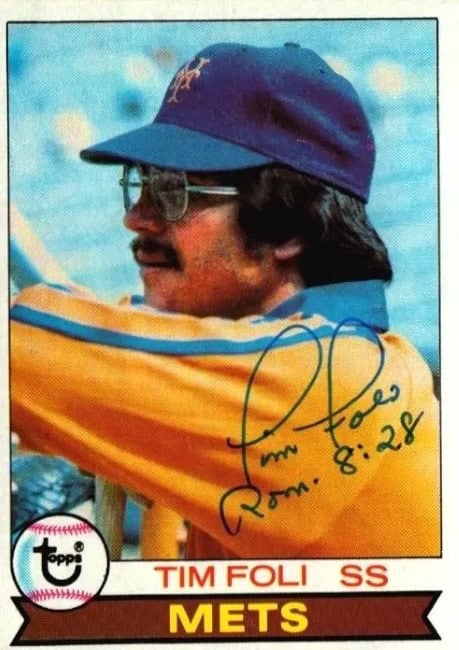
A signature also has to make sense within a player’s actual life and career. If an autograph appears on a card manufactured years before the player was even born, something is clearly wrong. Authenticators check whether a signature style matches how a player signed during that specific era, since many athletes change their signature over time. A rushed, simplified autograph from late in a long career should not appear on a card from that player’s rookie season.
Additional Categories & Terminology
Beyond the basic comparison process, a few more concepts help collectors understand the full picture of authentication.
- Witnessed signings happen when an authenticator is physically present as a player signs. This is considered the gold standard, since there is no question about who held the pen. Many modern signing events include a company representative on site specifically for this reason, and items from these events often carry extra documentation.
- Provenance refers to the documented history of an item, including who owned it, where it was signed, and how it changed hands. Strong provenance does not replace authentication, but it supports it. An autograph with a clear paper trail back to a signing event is easier to trust than one with an unclear origin story.
- Encapsulation is the process of sealing a signed card in a tamper-evident holder after authentication. These hermetically sealed cases protect autographed trading cards, photographs, and other flat items from tampering after the review is complete. This step prevents anyone from swapping a genuine autograph onto a different item later.
- Grading, offered separately from authentication by some companies, rates the visual quality of a confirmed genuine signature. A bold, clear, fully legible autograph typically scores higher than a faded or rushed one, even when both are equally authentic.
Red Flags To Watch For
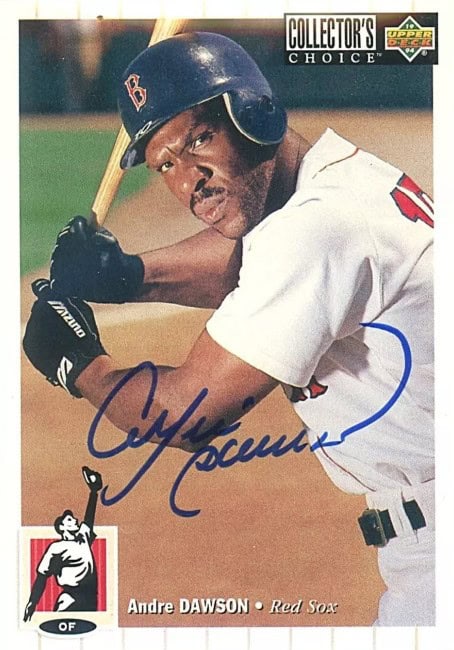
Even without professional tools, collectors can train themselves to notice warning signs before buying a signed card. A signature that looks too perfect, with no natural variation in pressure or speed, often points to careful tracing rather than a spontaneous autograph. Uneven or shaky lines can also signal a slow, deliberate forgery attempt.
Sellers who avoid mentioning authentication at all deserve extra scrutiny. A confident seller with a genuine item usually wants to highlight any certification, since it adds value to the sale. Vague descriptions like “signed in person” with no supporting documentation should prompt more questions rather than fewer.
Price is another useful signal. An autograph priced far below the typical market rate for that player and item type is worth double checking. Forgers rely on buyers who want a bargain badly enough to skip due diligence.
Finally, collectors should be cautious with signatures that seem inconsistent with a player’s known career timeline. A signature style that only appeared later in a career should not show up on an early card, and a jersey number a player never wore should not appear next to their name.
Autograph “Proof” Photos and Letters
Sellers may also provide “proof” as a way of enhancing the trustworthiness of an autograph. This can take the form of a letter from the player or a loved one, or even a photo of the athlete signing an autograph. In both cases, these types of “proof” can be easily faked or may not mean much. For example, a photo of a player signing an item only proves that they signed an autograph, not that they signed your autograph. These photos are often low quality and are used over and over again to “authenticate” multiple items.
As for the letters of authenticity from people allegedly related to the player, the history is important here. For example, a letter from a player’s dentist, or relative, cannot be clearly tied to the item or even the player. In both cases, it’s buyer beware when “proof” is offered.
Top Tips for Purchasing Authentic Autographs
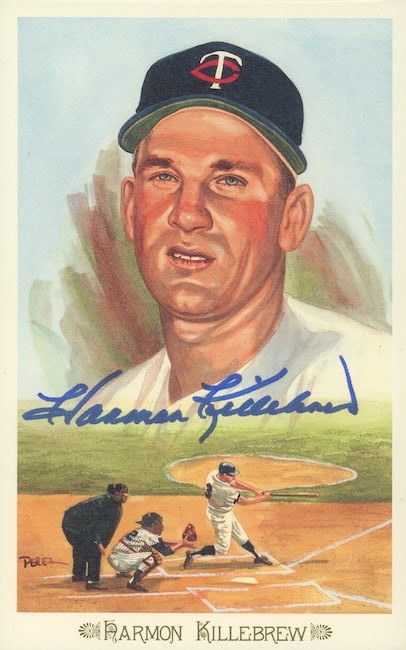
While the hobby has a lot of fraudulent autographs, which can be a buzzkill, there are ways to help ensure your autograph is genuine.
First of all, in-person autographs are the gold standard for ensuring the autographs in your collection are authentic. At the same time, it’s become more difficult to access top players, due to so much demand. Getting signatures at the stadium or the team hotel is a tried and true method, but it’s also competitive.
A better way to get an in-person autograph is to follow baseball card shows, like The National. They do dozens of signings during the show, and you can purchase access to everyone from prospects to Hall of Famers. If your favorite player is on the list, this is valuable way to get them in a controlled environment, and you can often add personalization or inscriptions too.
Another good source to meet retired players in Hall of Fame Weekend in Cooperstown, NY. Even though this is a huge event, it’s very accessible and you will likely have access to any Hall of Famers who attend. Newly inducted players also typically have a signing schedule during the event.
Why Authentication Matters for Card Value
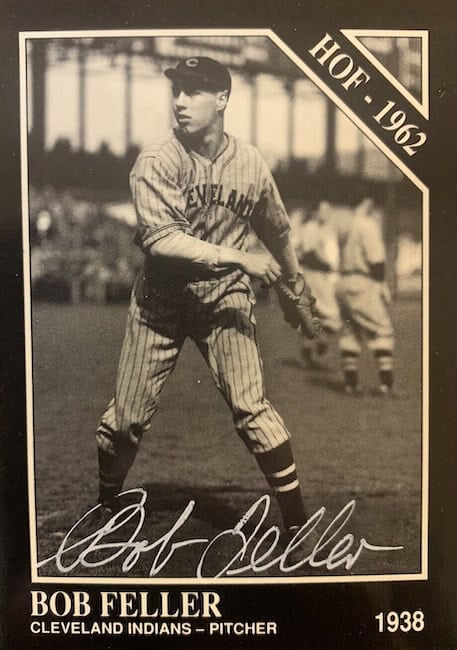
The financial impact of authentication is significant and growing. Buyers are far more willing to pay a premium for a signed card when a trusted company has verified it, because that verification removes most of the guesswork. This confidence translates directly into stronger resale value and a larger pool of interested buyers.
Authentication also protects the long-term health of the hobby itself. When forgeries circulate freely, trust erodes and prices for legitimate autographs can suffer along with them. Third-party authenticators act as a check on that problem, giving the whole market a shared standard to rely on.
For collectors building a long-term collection, an authenticated autograph is simply easier to insure, easier to sell later, and easier to display with confidence. The upfront cost of authentication is a small price compared to the certainty it provides.
Final Thoughts for Collectors
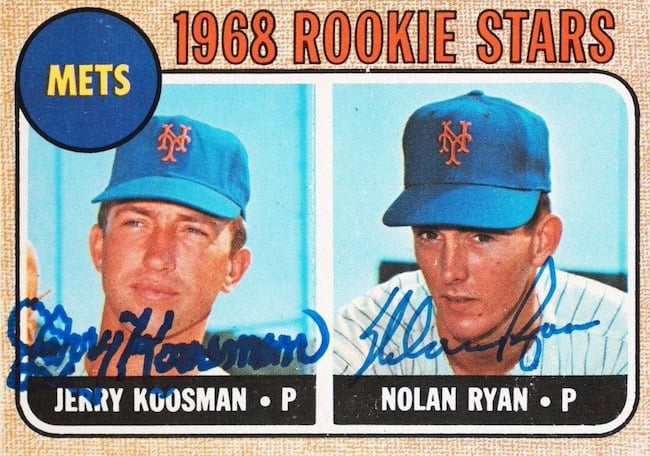
Autograph authentication turns a simple signature into a verified piece of sports history. The process combines expert handwriting comparison, materials analysis, and careful attention to a player’s career timeline, all backed by companies with reputations built on getting these calls right.
Collectors who understand this process are better equipped to buy with confidence. Knowing the major authenticators, recognizing common red flags, and understanding concepts like witnessed signings and provenance all add up to smarter purchasing decisions.
As the autograph market continues to grow, third-party authentication will only become more important. A verified signature protects your investment, supports the integrity of the hobby, and gives every collector a shared standard they can trust.