
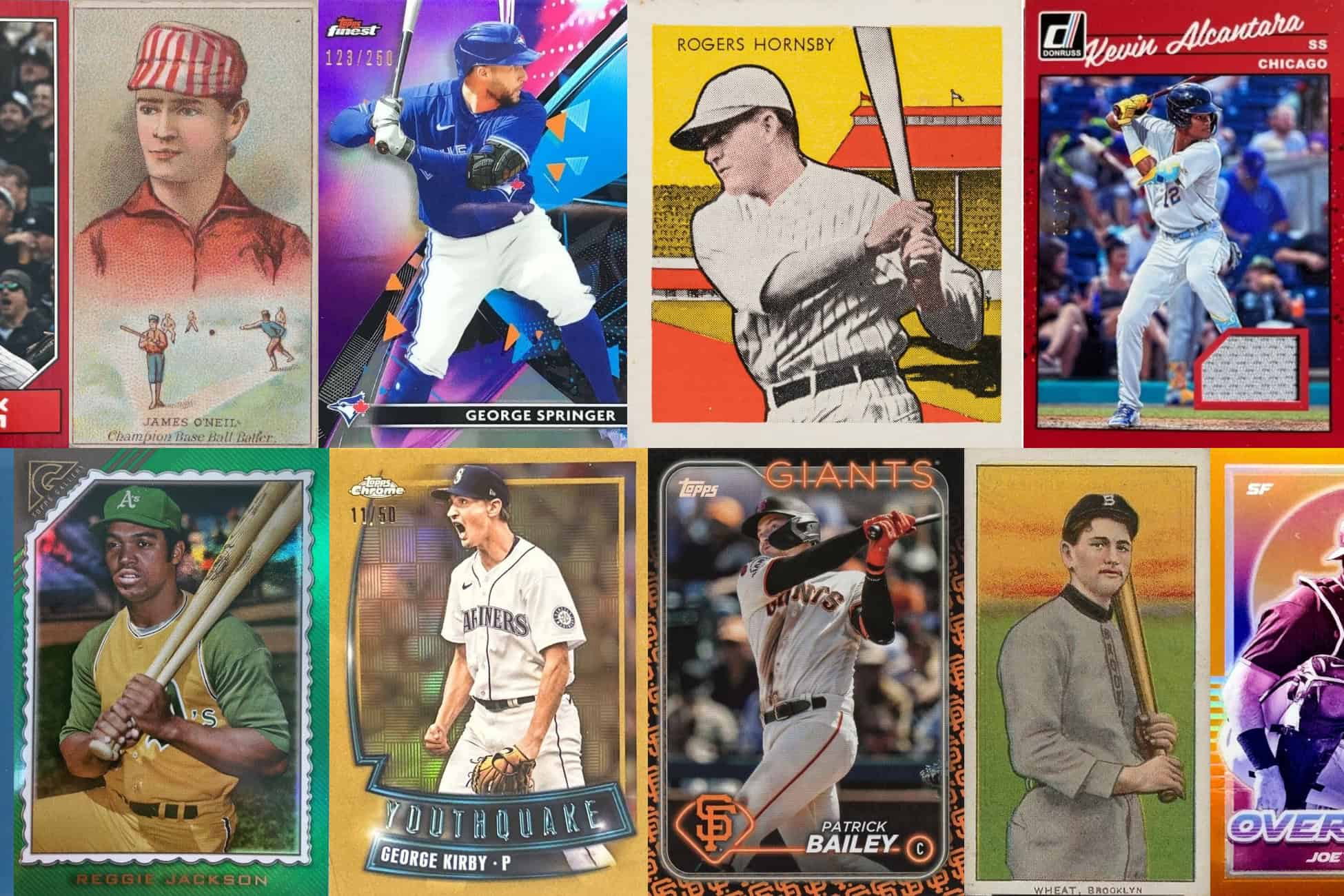

Walk into any baseball card show on a Saturday morning and you will notice something right away: no two collectors are chasing the same thing. Some tables draw kids with a folded twenty dollar bill, while others attract sharp-eyed adults flipping through vintage binders with white gloves. Baseball card shows have always been a gathering point for wildly different hobby personalities, and that variety is part of what keeps the events interesting year after year.
Understanding the different types of collectors who show up is useful for a few reasons. If you are a dealer, it helps you stock a table that appeals to more than one crowd. If you are new to the hobby, it can help you figure out where you fit and who you might want to talk to for advice. And if you are a seasoned attendee, it is simply fun to recognize the patterns that repeat at every show, from the small local gym event to the massive national convention.
Below are the collector types you are most likely to run into, starting with the classic five and adding a few more that round out the full picture of who makes baseball card shows so lively.
Kids & New Collectors
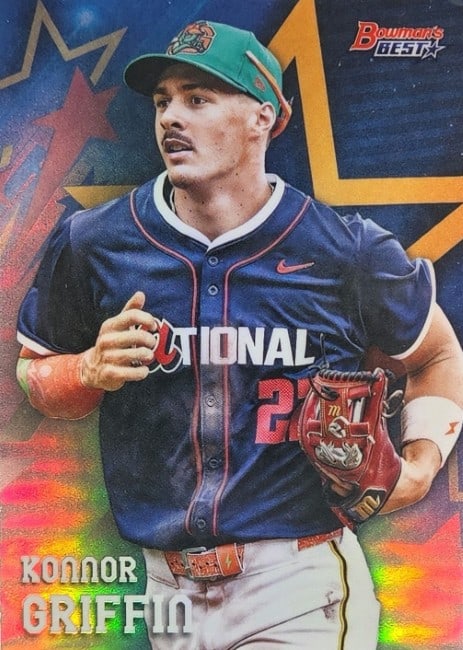
Every healthy card show has a steady stream of young collectors, and they are often the most enthusiastic people in the room. Kids tend to shop with their eyes first, gravitating toward bright colors, favorite players, and anything with a shiny surface. Price matters a lot here, so dealers who keep a dollar box or a bargain bin near the front of their table usually see plenty of young traffic.
New adult collectors share some of the same instincts as kids, even if their budgets are larger. Someone rediscovering the hobby after a long break, or trying it for the first time because of a nostalgic itch, often does not know the difference between a base card and a parallel yet. That is perfectly fine, and most dealers are happy to explain the basics.
This group matters more than their spending totals might suggest. Kids and newcomers are the future of the hobby, and shows that welcome them tend to have a warmer, more sustainable atmosphere. A dealer who takes five extra minutes to explain a rookie card to a curious ten year old is doing more for the long term health of the hobby than almost anything else that happens at a show.
Baseball Card Investors
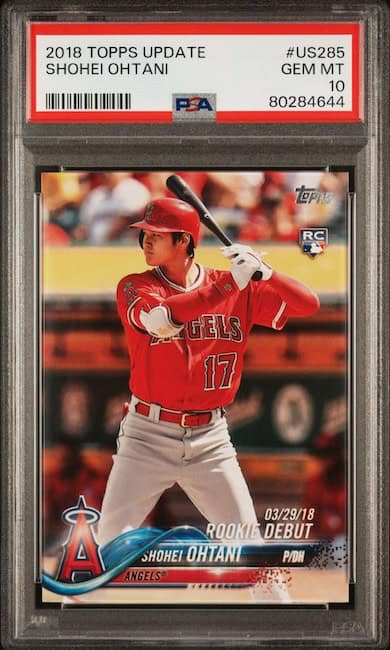
A different kind of energy shows up with investors, who approach the show less like a nostalgia trip and more like a marketplace. These collectors often arrive with a specific plan, whether that means flipping graded rookie cards, targeting undervalued sets before a player breaks out, or diversifying a broader collection with blue chip names. Grading slabs, population reports, and recent auction results are common topics of conversation at their tables.
Investors tend to move quickly and decisively once they spot something priced below market value. They’re also expert negotiators, always asking about “comps” (i.e. similar cards that sold recently) and if the dealer has “room” (i.e. is willing to go down in price). They are usually well informed about current trends, since staying current is part of the strategy. This can make them valuable people to talk to if you want a read on where the market is heading, even if their motivations are more financial than sentimental.
It is worth noting that investors are not a new phenomenon in the hobby. Speculative buying has existed in some form since at least the 1980s, and today’s investor-collectors are simply a modern version of a long running hobby tradition. Their presence at shows adds liquidity and energy, and their willingness to pay strong prices for scarce cards benefits sellers across the room, not just the ones dealing directly with them.
Vintage Collectors
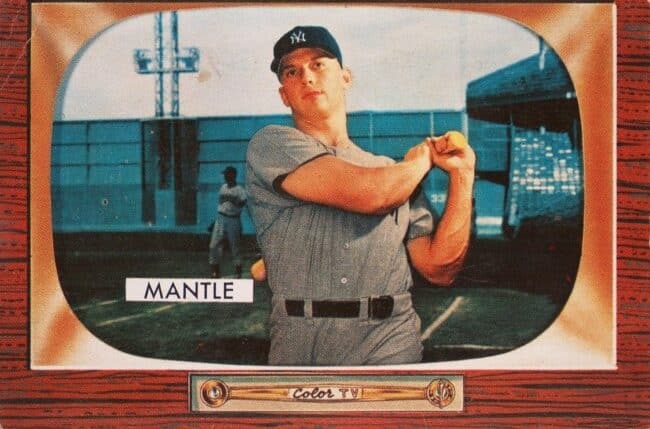
Vintage collectors are drawn to cards from an earlier era of the hobby, typically anything printed before the 1980s, though definitions vary from collector to collector. These attendees often move slower through a show, carefully examining corners, centering, and surface wear before making a decision. Condition sensitivity runs deep in this group, since even small differences in grade can mean a significant difference in price for an older card.
Conversations with vintage collectors tend to be rich with history. They are often happy to talk about players from decades past, set variations, and the printing quirks that make certain vintage issues so collectible. Many started collecting as kids in the era the cards were originally released, which gives their pursuit a personal, memory driven quality that is distinct from other types of collecting.
Vintage collectors frequently prefer in person shopping over online marketplaces because condition is so important to value. Being able to hold a card, tilt it under a light, and examine it closely gives buyers confidence that photos alone cannot always provide. This is one reason vintage tables at shows often see long, unhurried conversations rather than quick transactions.
The “Collect a Bit of Everything” Crowd
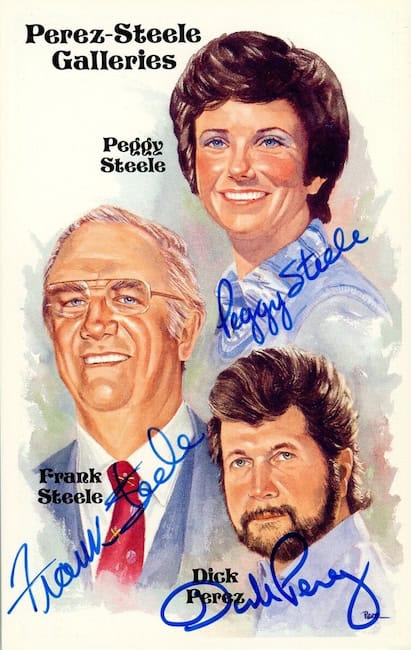
The “collect a bit of everything” collector is not chasing just one thing, and they might not even be chasing one hundred different things. From Pokemon to football, NASCAR to hockey, these collectors bring home whatever catches their eye that day, and a single trip to a show might result in a stack that spans five or six completely different categories. Their carts, boxes, and binders often look like a snapshot of the entire hobby rather than one focused corner of it, and that variety is exactly the point.
This approach reflects a love of the hobby in general rather than a narrow focus on one sport, player, or era. Where a set builder or a player collector is working toward a specific goal, the collect a bit of everything crowd is simply following their curiosity wherever it leads. A rare parallel from an unfamiliar sport, a quirky oddball insert, or a card that just looks visually striking can be enough to earn a spot in their bag, regardless of whether it fits any larger plan. That openness makes them some of the friendliest people to strike up a conversation with at a show, since they are usually happy to talk about whatever they just picked up and why it caught their attention.
Because their buying decisions are driven by genuine interest rather than strategy, this group sometimes walks away with the coolest cards in the room. A dealer’s oddball box or a table of mixed sport commons that other collectors pass by without a second look can turn into a treasure hunt for someone shopping this way. They are buying for the simple pleasure of the card itself, and that mindset occasionally leads them to real gems that more targeted collectors overlook entirely.
Team & Player Collectors
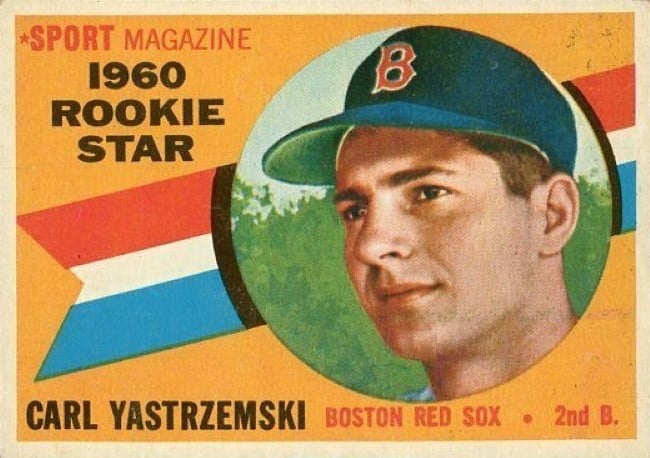
Team fans collect with their loyalty on display, focusing on a single franchise regardless of which players wear the uniform. A Red Sox fan might pick up a rookie card, a veteran journeyman, and a modern prospect all in one trip, as long as everyone shares the same team logo. This approach ties collecting closely to the emotional experience of following a favorite ballclub through wins, losses, and everything in between.
Player collectors dedicate their efforts to a single athlete rather than a team or an era. A player collector focused on a Hall of Famer might already own hundreds of that player’s cards and still search for variations, parallels, or oddball issues they have not yet found. The goal is not completion in the traditional set building sense, but rather building the most complete tribute possible to one favorite player.
Both collectors are often easy to spot because they gravitate toward team-specific boxes or team bags, which many dealers organize specifically to serve these audiences. Local shows in a team’s home region tend to see a particularly strong turnout from this group, since regional pride adds another layer to the hunting experience. Legendary local players, like Carl Yastrzemski or Mickey Mantle, are easy to find at these shows.
This type of collecting also tends to be resilient over time. Even during a rebuilding season when a favorite team is not performing well on the field, team collectors usually keep showing up, since their connection to the hobby is rooted in identity rather than short term performance. That steady presence gives shows a reliable core audience year after year.
Why This Mix Matters for the Hobby
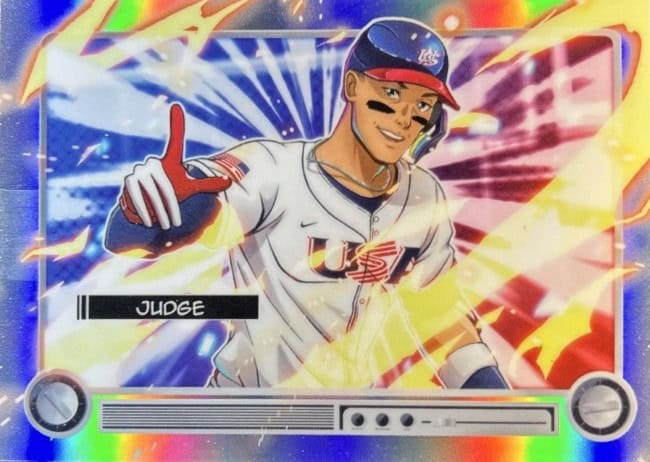
The diversity of collector types at a typical show is not just a fun observation, it is genuinely good for the health of the hobby. A show filled only with investors would feel transactional and cold, while a show filled only with kids might struggle to generate the sales volume needed to keep dealers coming back. The blend of budgets, motivations, and interests is what gives card shows their unique, buzzing atmosphere.
This mix also creates natural mentorship opportunities. A vintage collector chatting with a curious kid, or a set builder offering advice to someone just starting a rookie card collection, happens organically at these events in a way that is harder to replicate online. Shows remain one of the few places in the hobby where people across very different collecting styles interact face to face.
Dealers who understand this variety tend to build more successful tables. Offering a mix of affordable commons, graded vintage pieces, team specific boxes, and modern rookies allows a single table to serve several collector types at once, which is often more effective than narrowly targeting just one group.
Final Thoughts
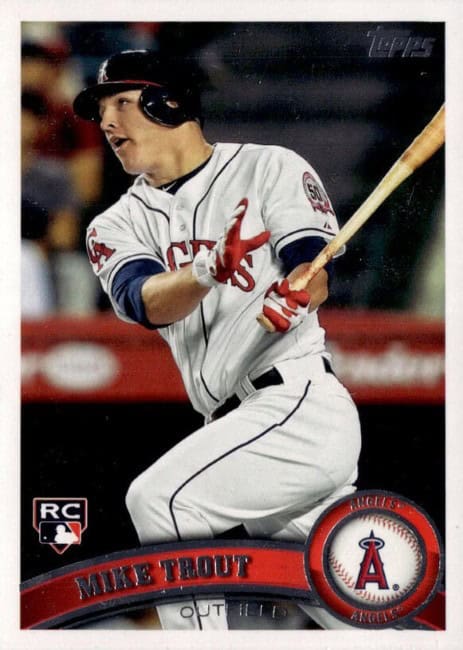
Baseball card shows work because they bring together people with very different reasons for collecting. Kids and new collectors keep the hobby fresh and forward looking, while investors bring market awareness and liquidity to the room. Vintage collectors preserve the history of the game through carefully maintained older cards, and set builders bring a patient, puzzle solving energy to every table they visit.
Team fans and player collectors add a personal, emotional dimension that connects the hobby to the broader experience of following baseball itself. Taken together, these overlapping groups create the atmosphere that makes card shows worth attending in the first place, whether you are there to sell, to buy, or simply to soak in the energy of a room full of people who love the same hobby for very different reasons.
The next time you attend a show, take a moment to notice the variety around you. You might spot a version of yourself in more than one of these types, and that is part of what makes baseball card collecting such a welcoming and enduring pursuit.