

“Pack searching” sits at the intersection of probability, human behavior, and the evolution of baseball card manufacturing. Most collectors have heard the term, but fewer understand how it actually works or why it still sparks debate. At its core, pack searching describes attempts to identify valuable packs without opening them. That goal may sound simple, but the methods behind it reveal a deeper story about how collectors think, measure, and adapt.
The practice developed alongside the hobby itself. As card companies introduced inserts, relics, and autographs, collectors began looking for patterns and physical differences. Some relied on measurable traits, while others tracked distribution trends across boxes and cases. Over time, manufacturers responded by changing packaging and collation methods. This ongoing back-and-forth has shaped how modern products get designed and sold.
For today’s collector or seller, understanding pack searching provides insight into trust, perceived value, and how small advantages can influence buying behavior.
What Is Pack Searching?

“Pack searching” refers to any method used to identify packs that likely contain premium cards without opening them. These premium cards can include autographs, relics, die-cut cards, or other inserts that carry higher value in the secondary market.
Collectors who engage in pack searching try to reduce uncertainty by identifying patterns or physical differences. Instead of relying purely on chance, they look for measurable traits that separate one pack from another. These traits might involve weight, thickness, rigidity, or even subtle packaging differences that emerge during manufacturing.
The concept depends on a simple assumption. If a valuable card changes the physical characteristics of a pack, then a careful observer can detect that change. However, modern manufacturers have invested heavily in reducing those detectable differences.
The Origins of Pack Searching

Pack searching began long before autographs and relic cards became standard inserts. Early collectors noticed that certain packs felt different or revealed partial card edges through the packaging. These small visual or tactile clues created opportunities for those paying close attention.
During the 1980s and early 1990s, wax packs and cello packs made searching significantly easier. Packaging often allowed visibility into the top or bottom card, which meant a collector could identify a star player without opening the pack. Even without inserts, that visibility created uneven value distribution across packs.
As insert cards became more common in the 1990s, the focus shifted away from visible stars. Collectors began targeting physical differences tied to rarer cards instead. This shift marked a turning point, as pack searching evolved from simple observation into a more technical process that relied on measurement, pattern recognition, and experimentation.
Weighing Packs – The Most Known Method
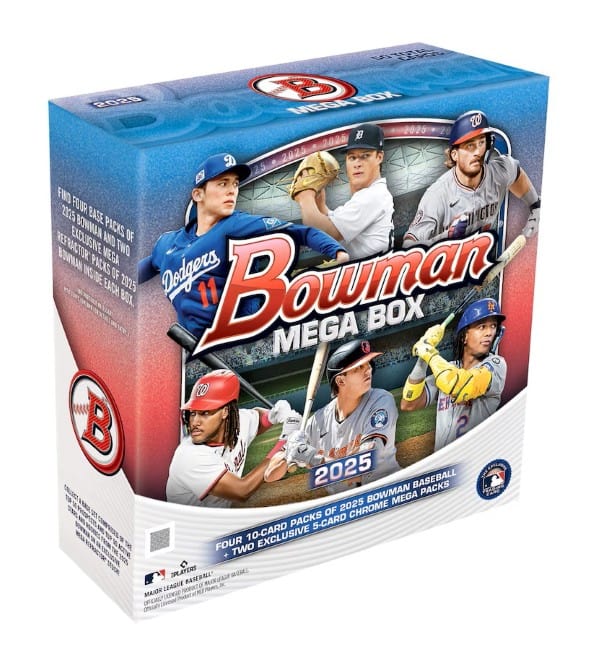
Weighing packs remains the most widely discussed method associated with pack searching. The concept relies on detecting small differences in pack weight caused by variations in card composition. Relic cards, which contain pieces of jerseys or bats, can add measurable mass compared to standard paper cards.
Collectors who use this method rely on precision scales to compare packs from the same box. They record weights carefully and look for outliers that deviate from the average. Even small differences can attract attention, especially when dealing with products known to include thicker or heavier inserts.
The typical process is:
- Weigh each pack to a precise decimal
- Record and compare all weights
- Identify packs that deviate from the cluster
- Target those packs for opening or resale
On social media, pack-weighers have been caught in the aisles of big box stores with small postal scales, weighing packs out in the open. Most stores do not allow this, and will ask the person to move on if they’re caught.
Modern products often include decoy cards designed to counter this approach. These filler cards mimic the weight of hits, which reduces the effectiveness of weighing. As a result, this method works best on older products or releases that lack these countermeasures.
Touch Searching – Reading the Pack by Feel

Touch searching relies on physical sensitivity rather than measurement tools. The collector gently presses or flexes the pack to detect differences in thickness or rigidity. This method requires a careful balance between observation and preservation, as excessive handling can damage the cards inside.
Thicker cards tend to create subtle resistance within the pack. A relic card may feel firmer or uneven compared to a standard stack of paper cards. Chrome or foil cards can also produce a distinct rigidity due to their layered construction, which experienced collectors may learn to recognize over time.
This method depends heavily on experience and consistency. Differences can be slight, and environmental factors such as humidity or packaging tightness can affect results. Manufacturers have reduced its effectiveness by improving wrappers and inserting decoy cards, but some collectors still test this method with specific products.
Box Mapping – Tracking Distribution Patterns
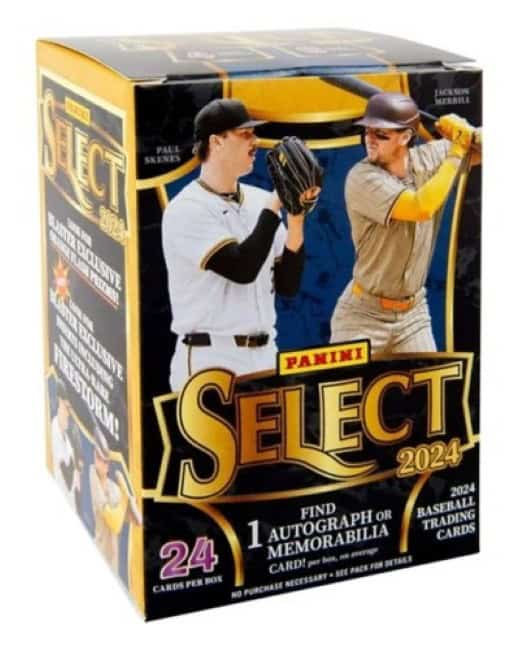
Box mapping shifts the focus away from physical traits and toward distribution patterns. Some collectors believe that hits appear in semi-predictable positions within a box or case. By opening a portion of the packs and tracking results, they attempt to predict where remaining hits might be located.
In earlier eras, mapping sometimes produced meaningful results. Production processes lacked the level of randomization seen today, which allowed patterns to emerge across multiple boxes. Collectors who documented these patterns could sometimes improve their odds of finding valuable cards.
Modern manufacturing has significantly reduced the reliability of mapping. Companies now randomize pack order more aggressively, making consistent patterns difficult to detect. Despite this, mapping remains part of hobby lore and continues to surface in discussions around certain niche products.
Visual Searching in Older Packs
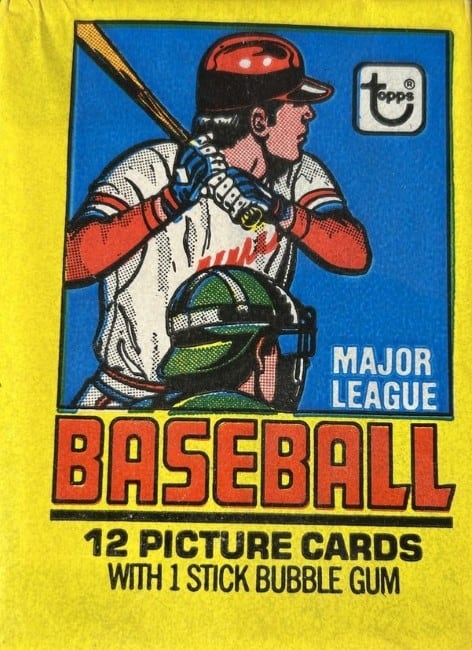
Visual searching played a major role in earlier decades of the hobby. Rack packs and cello packs often displayed the top or bottom card, giving collectors a direct view into part of the pack. This visibility created opportunities to identify star players or desirable teams before purchase.
Collectors relied on knowledge of player appearances, team colors, and card design to make quick judgments. Even without inserts, finding a star player increased the perceived value of a pack. For example, glimpsing a name beginning with the letter “Y” in the 1970s had a high probability of being Hall of Famer Carl Yastrzemski, and even moreso if the card appeared to have a red logo. This approach required no tools, only familiarity with the product and attention to detail.
As packaging evolved, manufacturers eliminated these visual cues. Fully opaque wrappers became standard, preventing collectors from seeing any portion of the cards inside. This change effectively closed off one of the simplest and most accessible forms of pack searching.
Why Pack Searching is Controversial
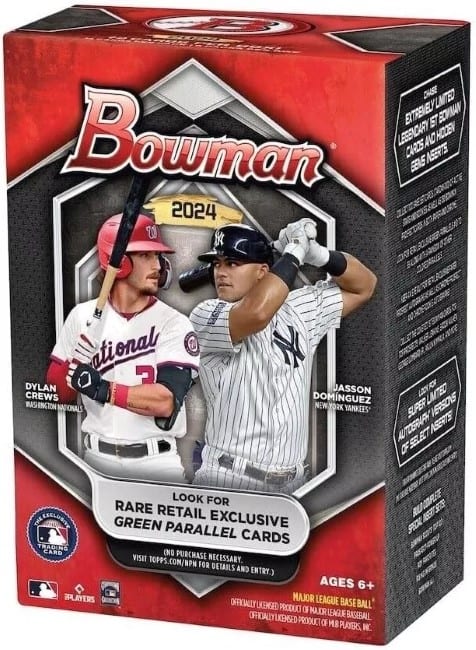
Pack searching draws criticism because it disrupts the balance that makes pack opening compelling in the first place. The hobby depends on shared uncertainty. Every collector who buys a pack expects a fair shot at the same range of outcomes. When someone removes the most promising packs through searching, that balance breaks down immediately.
The issue extends beyond individual transactions. Once high-value packs get filtered out, the remaining packs carry diminished expected value. Buyers who purchase those packs often do so without any indication that the odds have already shifted against them. That lack of transparency creates an uneven playing field, where one participant benefits at the direct expense of others.
This dynamic also erodes trust at a broader level. Collectors become more skeptical of loose packs, even when sellers act honestly. Over time, that skepticism pushes buyers toward sealed boxes and away from smaller transactions, which can hurt hobby shops and independent sellers. In that sense, pack searching does not just affect isolated purchases. It influences how the entire marketplace functions.
Most collectors and retailers reject pack searching for this reason. They view it not as a clever strategy, but as a practice that undermines fairness and weakens the shared experience. Retailers have a “no returns” policy on boxes and packs, and card companies have taken measures to make sure packs are sold at authorized retailers who guard against tampering.
The long-term health of the hobby depends on maintaining trust, and pack searching works against that goal by introducing doubt into what should be a level and transparent process.
Does Pack Searching Still Work Today?

Pack searching still works in limited situations, but its reliability has declined to the point where most collectors see it as impractical (in addition to being unethical). The method depends heavily on detectable differences between packs, and modern manufacturing has focused on eliminating those differences. As a result, success today tends to be inconsistent, product-specific, and difficult to repeat.
Older products remain the most vulnerable. Boxes produced before widespread use of decoy cards or advanced collation methods may still show measurable variation in weight or thickness. In those cases, a careful approach can sometimes identify outlier packs. Even then, results are far from guaranteed. Variability in materials, storage conditions, and production runs can introduce enough noise to make conclusions unreliable.
Modern releases present a different environment entirely. Companies like Topps and Panini design products specifically to counter pack searching. Decoy cards now match the weight and thickness of hits, while improved randomization disrupts any predictable distribution patterns. Packaging also prevents visual inspection, closing off one of the simplest historical methods.
Even in edge cases where collectors believe pack searching might work, the margin for error remains high. Small sample sizes, natural variation between packs, and confirmation bias can all lead to false positives. A pack that feels heavier or different does not consistently translate into a valuable hit. Over time, this inconsistency reduces confidence in the method.
Conclusion

Pack searching offers a window into how collectors interact with uncertainty. It reflects a natural desire to find patterns, reduce risk, and gain an advantage in a system built on chance. Over time, this behavior has influenced how manufacturers design products and how sellers present them to customers.
While modern countermeasures have reduced its effectiveness, the concept remains relevant. It continues to shape conversations about trust, fairness, and value within the hobby. Understanding pack searching helps collectors make informed decisions and appreciate the design choices behind modern products.
For today’s collector or business owner, the key takeaway centers on trust and transparency. The hobby thrives when participants share a sense of fairness and excitement. Pack searching may persist as a concept, but its role has shifted toward education and history rather than practical application.