
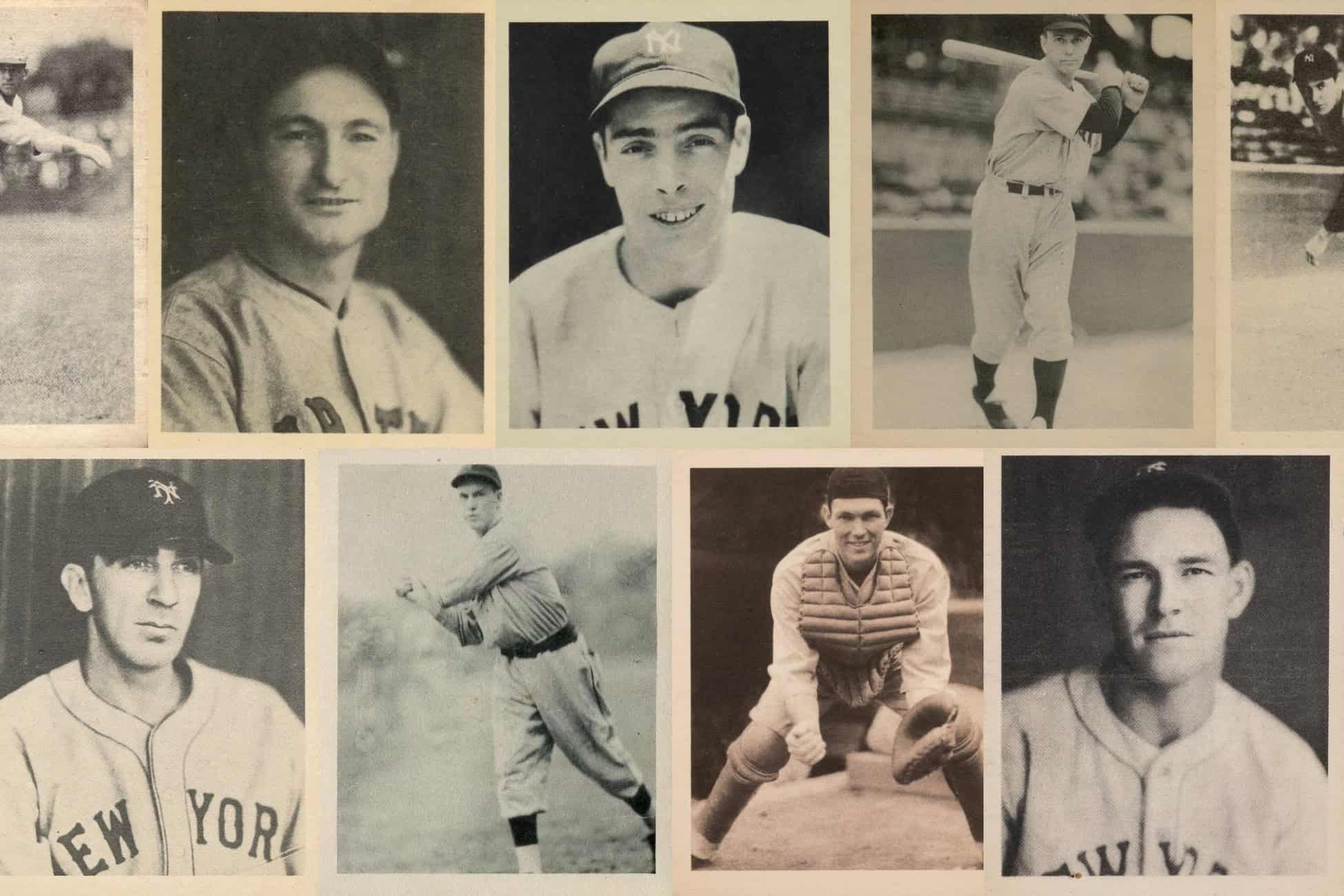
The year 1939 holds a special place in baseball history. Joe DiMaggio was in his prime. Ted Williams was making his major league debut. And a Philadelphia-based gum company was about to release one of the most beloved card sets of the pre-war era. The 1939 Play Ball set arrived at a time when the hobby itself was still finding its footing, and it left a mark that collectors still talk about today.
For anyone drawn to vintage baseball cards, the 1939 Play Ball set checks nearly every box. It features genuine photography, a clean and simple design, and a checklist loaded with Hall of Famers. Whether you are a seasoned vintage collector or just starting to explore pre-war cards, this set offers a meaningful entry point into a fascinating chapter of hobby history.
This guide will walk you through everything you need to know about the 1939 Play Ball set – its origins, its place among contemporaries, how it reached collectors, what makes it visually distinctive, and what you might expect to pay for copies today.
History Behind the 1939 Play Ball Set
The mid-to-late 1930s had seen a relative lull in baseball card production. The golden age of tobacco cards had faded, and the candy and gum companies that picked up the torch were producing sets with varying levels of quality and ambition. Gum, Inc. approached 1939 with a clear vision – photograph-based cards with a clean layout and a broad roster of current players.
Gum, Inc., a Philadelphia company, had been in the trading card business throughout the 1930s. The company had previously issued non-sports sets, including the popular Horrors of War series, before turning its attention to America’s pastime. The 1939 release marked the first time Gum, Inc. put its full effort into a baseball-focused product, and the result was a 161-card set that collectors have chased ever since.
The “Play Ball” name carried a playful energy that fit the era perfectly. Cards came packaged with a slab of bubble gum, which was standard practice at the time. The branding stayed consistent across the 1939, 1940, and 1941 releases, making all three years part of a recognized and collectible family of sets.
Competitors
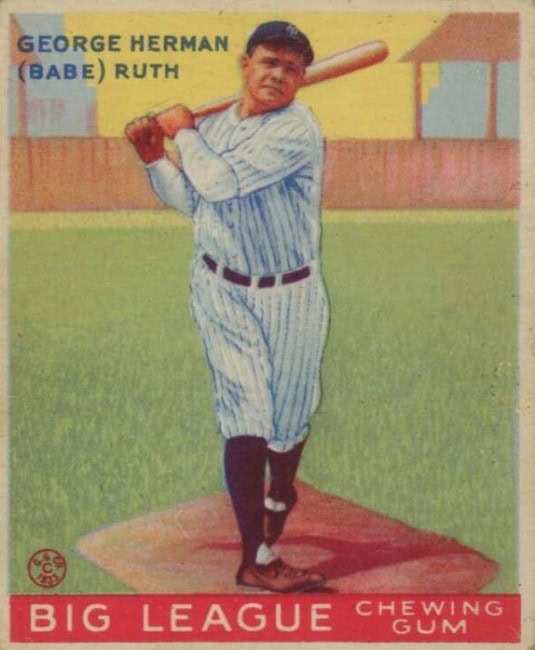
The baseball card market of the late 1930s was not as crowded as it would later become, but Gum, Inc. still had company on the shelf. Goudey was the most established name in baseball cards at the time. The Boston-based company had produced iconic sets throughout the early 1930s, including the legendary 1933 Goudey release. By 1939, Goudey was still active, though its output had slowed compared to its peak years. The two brands served a similar audience and competed for the same young collectors.
Canadian collectors had access to Play Ball-style cards through World Wide Gum, which produced sets that closely mirrored American releases. These Canadian versions are scarcer today and tend to draw attention from cross-border collectors who want a complete picture of the era.
Other minor regional sets existed during this period, but none matched the national footprint of Gum, Inc. or Goudey. The Play Ball brand stepped into a market hungry for a polished, photograph-driven product and delivered exactly that.
1939 Play Ball Set Distribution
Distribution in 1939 followed the model that candy and gum companies had relied on for years. Cards came packaged inside penny wax packs sold at candy stores, newsstands, and five-and-dime shops. A child could walk in with a single penny and walk out with a card and a piece of gum.
Penny packs made cards accessible to nearly everyone. The low price point meant that kids across economic backgrounds could participate in the hobby, though actually completing a full set required patience and no small amount of luck. Distribution was handled through regional candy and tobacco distributors who supplied local retailers.
Like most card sets of the era, Play Ball cards were more widely available in certain parts of the country than others. Urban centers and areas with strong distributor networks saw heavier supply. Rural areas sometimes received less consistent stock, which helps explain some of the regional scarcity patterns collectors encounter today when tracking down copies from specific locations.
Photography and Design Style
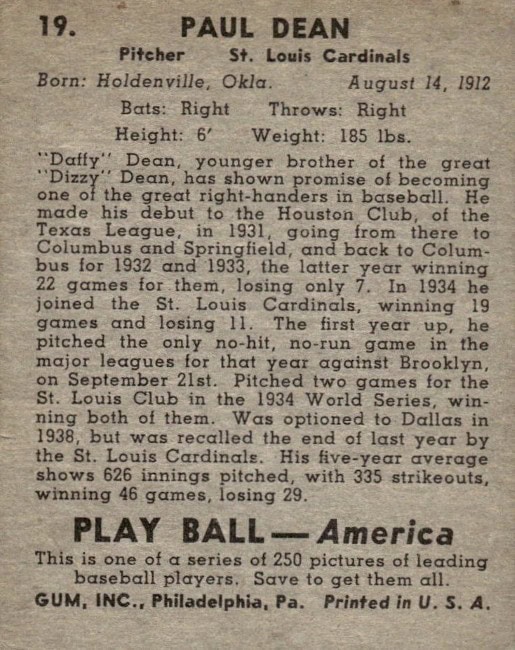
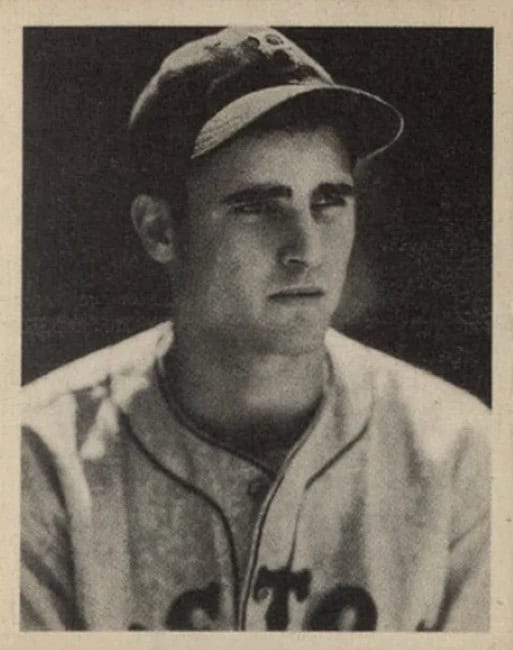
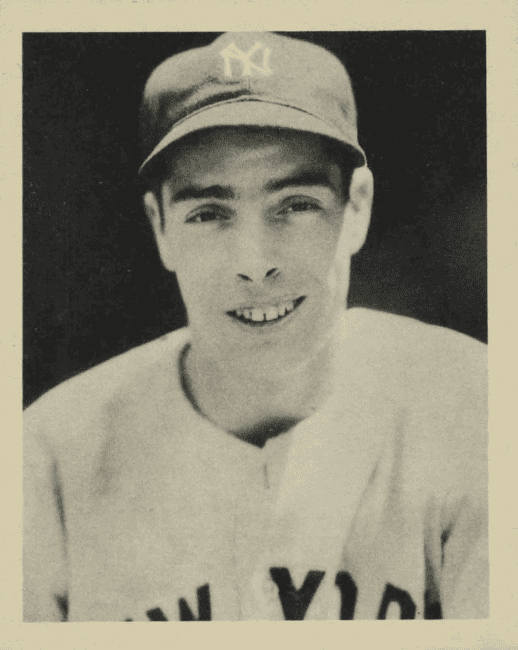
One of the most defining features of the 1939 Play Ball set is its visual approach. Where some earlier sets used illustrated portraits or painted artwork, Gum, Inc. chose black-and-white photography for the 1939 release. The result gives the cards a documentary quality that feels grounded and authentic.
Overall Design
Each card measures approximately 2-1/2 by 3-1/8 inches, which was a standard size for the period. The front of the card features the player photograph with the player’s name printed below in simple block text. There is no team name on the front, which gives the design an uncluttered and timeless look. The backs carry biographical information, career statistics, and a short write-up about the player – all in readable type.
Black and White Photography
The black-and-white photography is more than a product of the era’s technology. It gives the set a cohesive, unified feel. Every card looks like it belongs to the same family, and the contrast between the player images and the white card stock creates a striking visual. Many collectors feel this consistency is part of what makes the set so appealing as a whole.
Print quality can vary across the set, which is common for cards of this age. Some copies show sharp, crisp images while others appear softer or slightly off-center. These variations are part of collecting pre-war cards and do not diminish the character of the set.
Key Players in the 1939 Play Ball Set
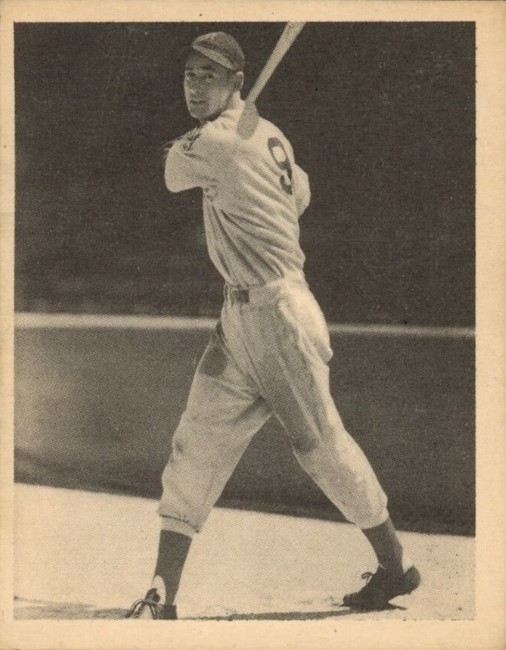
The 1939 Play Ball checklist reads like a who’s who of baseball’s pre-war golden age. Collectors have plenty of targets to chase, from affordable commons to high-dollar centerpiece cards.
Joe DiMaggio
The DiMaggio card in the 1939 Play Ball set is widely considered the centerpiece of the checklist. DiMaggio was already a superstar in 1939, coming off back-to-back batting titles. His card carries a card number of 26 and remains one of the most sought-after cards in the entire set.
Ted Williams
The 1939 Play Ball set includes one of the earliest mainstream Ted Williams cards. Williams made his major league debut that season, hitting .327 as a 20-year-old rookie. His card in this set is a genuine rookie-era issue and represents a significant piece of baseball card history.
Other Notable Names
- Hank Greenberg
- Joe Cronin
- Lefty Grove
- Jimmie Foxx
- Mel Ott
- Joe Medwick
The depth of the checklist is impressive. Hall of Famers appear throughout the numbering, and even mid-level players from the era carry historical appeal simply because of the time period they represent.
Condition and Pricing for Today’s Collector
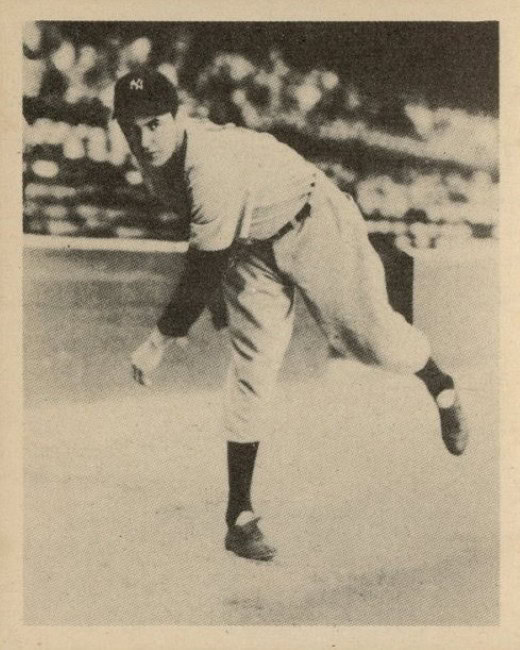
Pre-war cards present unique condition challenges, and the 1939 Play Ball set is no exception. Understanding what to look for – and what to expect to pay – helps collectors make informed decisions.
Cards from 1939 are now more than 85 years old. Finding sharp corners, strong centering, and clean surfaces at this age is genuinely difficult. Grading services like PSA and SGC evaluate cards on a numerical scale, and even modest grades like PSA 4 or PSA 5 can represent excellent examples of well-preserved pre-war cards.
Common Condition Issues
- Creases and paper loss from handling
- Toning or yellowing of the card stock
- Soft corners from age and storage
- Gum stains from original packaging
Pricing Overview
Pricing ranges widely depending on the player and the condition of the card. Common players in lower grades can be found for a few dollars each, making the set surprisingly accessible at the entry level. Mid-tier Hall of Famers in average condition typically run from $50 to several hundred dollars. The DiMaggio and Williams cards command a premium at any grade, with high-grade examples routinely selling for five-figures. Raw, ungraded copies of key cards can offer value for collectors who develop a strong eye for condition.
Conclusion
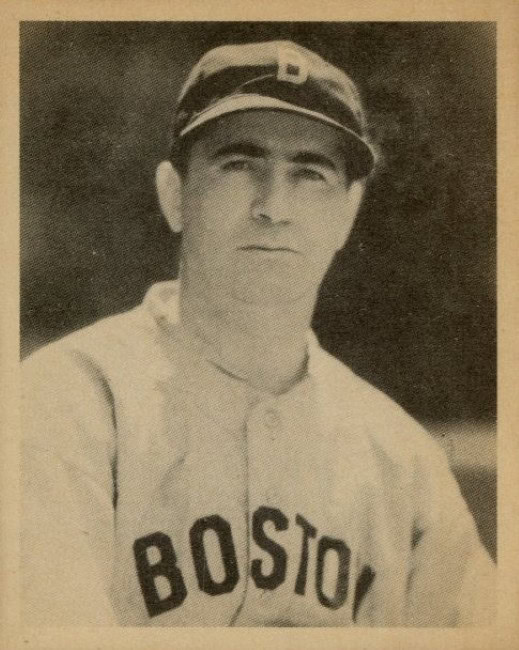
The 1939 Play Ball set stands as one of the most important baseball card releases of the pre-war era. It brought professional photography to the forefront, offered a deep checklist of genuine stars, and established a brand that would carry forward into 1940 and 1941. For collectors today, it represents both a historical document and a genuinely enjoyable set to pursue.
Whether you are drawn to the DiMaggio card, the early Ted Williams issue, or simply the appeal of black-and-white photography from a golden age of baseball, this set has something to offer. Entry-level collectors can find affordable commons to start with, while advanced collectors can chase high-grade examples of the big names for years.
The 1939 Play Ball set rewards patience, research, and a real appreciation for the roots of this hobby. If you have not explored it yet, there has never been a better time to start.