
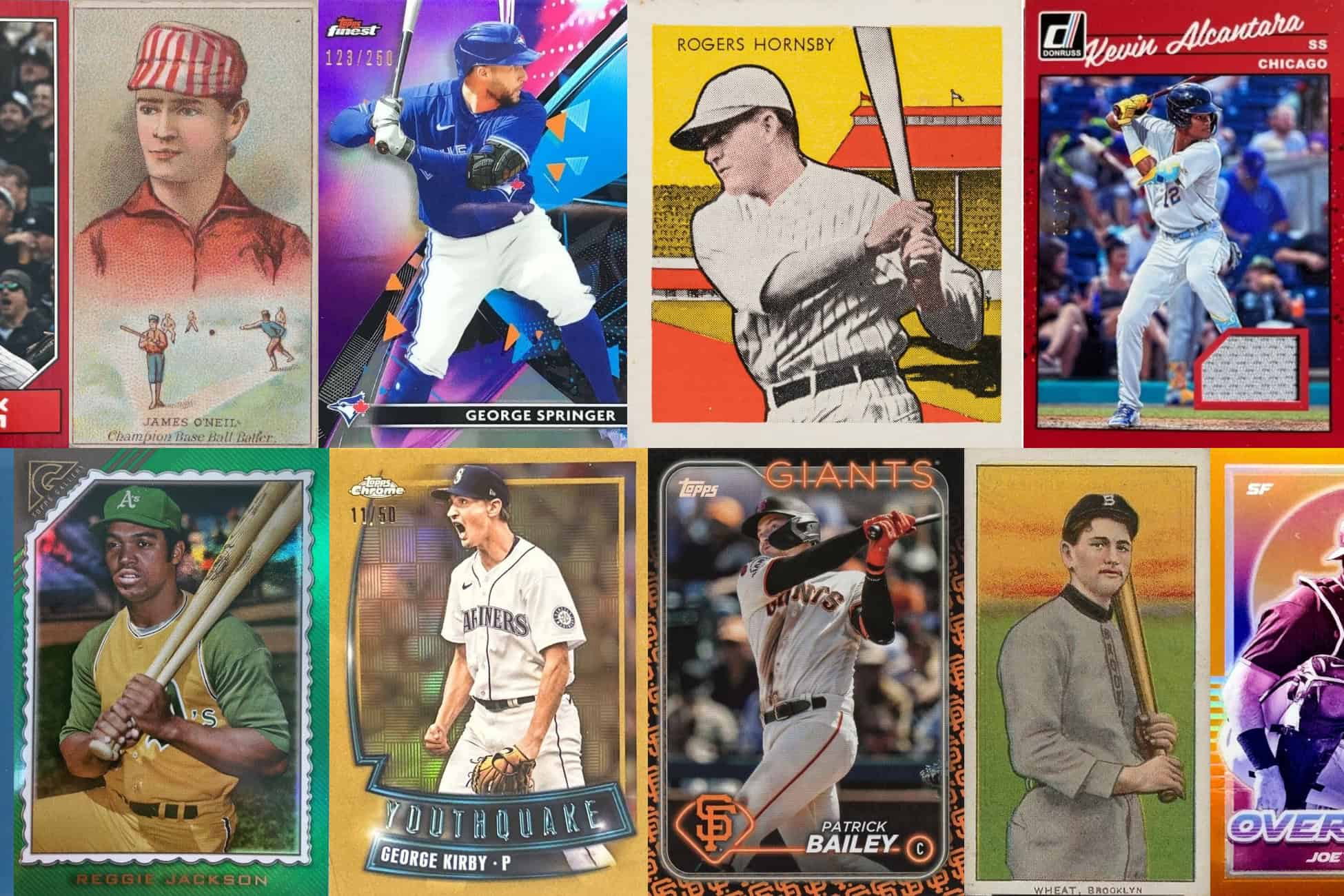
Every collector remembers the pull of a legendary rookie card or a flawless vintage set glowing under shop lights, and that pull is part of what makes the hobby so much fun to begin with. That same pull can also make the hobby feel out of reach if your wallet has other plans, which is exactly why collecting on a budget has become such a popular approach among serious hobbyists. The good news is that a meaningful, exciting collection does not require deep pockets or a lucky windfall to get started.
Collecting on a budget is less about what you cannot afford and more about what you deliberately choose to pursue with the resources you already have. With a clear plan, a healthy dose of patience, and genuine enthusiasm for the game, you can put together a collection that tells a real story and holds lasting personal value. This article walks through practical strategies for finding direction, spotting overlooked opportunities, shopping smart, and genuinely enjoying the process along the way.
Whether you are just starting out or looking to refocus an existing collection, these tips will help you get far more satisfaction from every dollar you spend. Collecting on a budget rewards curiosity and patience just as much as it rewards a large spending limit, and that balance is part of what makes the whole approach so rewarding over time.
Find Your Collecting Focus
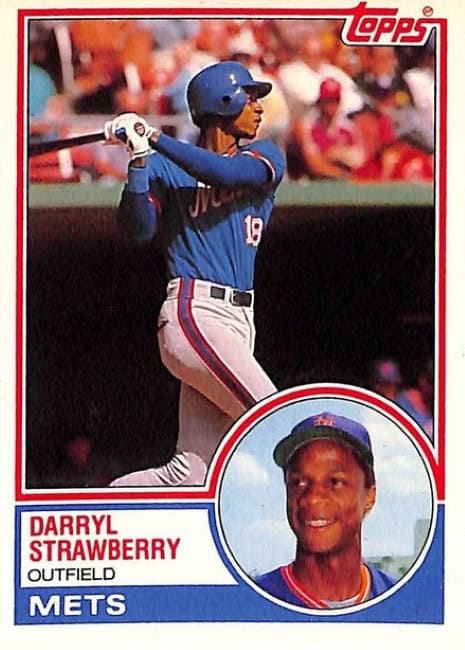
Collectors who get the most satisfaction from the hobby usually know exactly what they are chasing before they ever open their wallet. A clear focus helps you avoid impulse buys and lets you build something cohesive instead of assembling a random pile of cards over the years. Think carefully about what draws you to baseball in the first place, then let that personal connection guide your entire approach to collecting on a budget.
Some collectors stick with their favorite team and chase cards of past and present players who wore that uniform across different eras. Others prefer chasing award winners, building an entire collection around MVPs, Cy Young recipients, and Rookie of the Year honorees from multiple decades. A specific decade can also make a rewarding theme, since eras like the 1950s or the 1990s each carry their own distinct design styles and storylines worth exploring in depth.
Franchise history offers another compelling angle, letting you trace a team’s evolution through its players and card designs across generations of baseball. None of these approaches works better than the others in any objective sense, so choose whichever one genuinely excites you the most. A defined theme naturally narrows your search, which makes collecting on a budget far more manageable and turns every purchase into a meaningful addition rather than a random pickup.
Look Beyond Rookie Cards
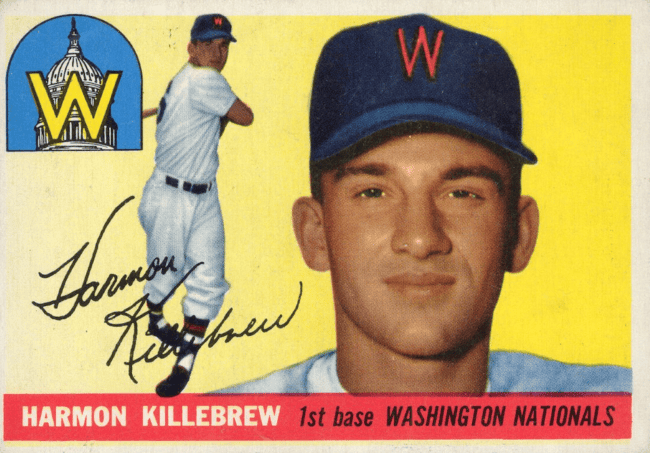
Rookie cards attract plenty of attention from collectors, and that popularity makes sense given how often those cards carry the most value across a player’s entire career. That same popularity tends to drive prices upward quickly, which can make rookie-focused collecting an expensive habit to maintain over time. Shifting some of your attention toward less obvious cards opens up a wider and far more affordable world of collecting options.
Underrated Players Worth a Second Look
Baseball history includes many talented players who put together genuinely strong careers without ever quite reaching superstar status in the public eye. These players often built loyal fan bases, posted impressive statistics, or created memorable moments that never fully translated into lasting fame beyond their home cities. Their cards frequently sell for a fraction of what star players command today, which gives anyone practicing collecting on a budget a real chance to build meaningful depth into their holdings at low cost.
Researching these overlooked players can become one of the most enjoyable parts of the hobby itself. Digging through old statistics, box scores, and team rosters often turns up names that deserve far more recognition than they ever received during their actual playing days.
Minor League and Vintage Opportunities
Minor league card sets give collectors an early look at rising prospects before those players ever reach the majors, often at very reasonable prices. Spotting a standout performer in the minors and picking up their early cards can eventually turn into a rewarding long-term collecting on a budget project. Vintage cards from the 1960s, 1970s, and 1980s also deserve a close look, since lesser-known sets from those decades frequently feature charming designs and future Hall of Famers without the steep price tag attached to the most iconic releases.
Buying Smart: Raw and Graded Cards
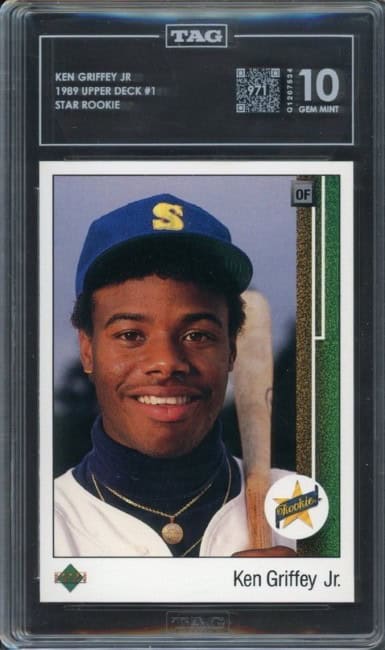
Smart buying decisions stretch a collecting budget much further than luck ever could over the long run. One of the first major choices collectors face involves deciding whether to buy raw cards or professionally graded ones from established grading companies. Graded cards carry an official condition assessment from a respected third party, and that certification typically adds a noticeable premium to their overall price.
Raw cards, meaning cards that have not been professionally graded, typically cost considerably less for comparable quality and condition. Collectors who take the time to develop a good eye for spotting sharp corners, clean edges, and strong centering can often find excellent raw cards at prices well below their graded counterparts. If a card increases significantly in value down the road, sending it in for professional grading later always remains an option worth considering.
Condition still matters a great deal, but chasing absolute perfection is not always necessary for a satisfying collection. A card with one small imperfection, like a slightly soft corner, might sell for considerably less than a flawless example while still looking fantastic in a binder or display case. Learning to recognize which flaws genuinely matter for long-term value and which ones barely register takes practice, but that skill pays off quickly for anyone serious about collecting on a budget.
Focusing on proven players rather than getting swept up in short-term hype also protects your spending in meaningful ways. A rookie surrounded by heavy buzz can command a steep price before that player has even shown what they can truly do at the major league level. A player with a solid track record and consistent performance often represents a steadier long-term investment, and their cards tend to be priced more reasonably relative to their actual on-field accomplishments.
Where to Find Budget-Friendly Cards
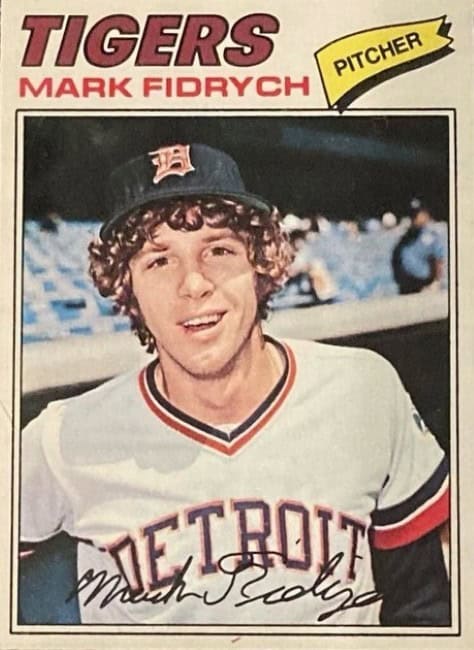
Knowing where to shop matters just as much as knowing exactly what to buy when you are practicing collecting on a budget. Several sources consistently offer strong value for collectors who take the time to look carefully and ask the right questions.
- Local card shops often keep bargain bins stocked with underpriced finds, and shop owners frequently share valuable tips about upcoming releases or hidden gems tucked away in their inventory.
- Estate sales and flea markets can turn up unexpected treasures, since sellers do not always realize the true value of what they happen to be offering.
- Online marketplaces give collectors the ability to filter searches by price and condition, though careful research helps you avoid counterfeit cards or unreliable sellers along the way.
- Card shows bring collectors together in one physical place, offering bulk lot deals, autograph opportunities, and sections designed specifically for budget-minded shoppers.
Each of these venues rewards patience and a genuine willingness to browse without rushing toward a purchase. The best deals rarely announce themselves loudly, so a little extra digging usually pays off handsomely in the end.
Setting a Sustainable Budget
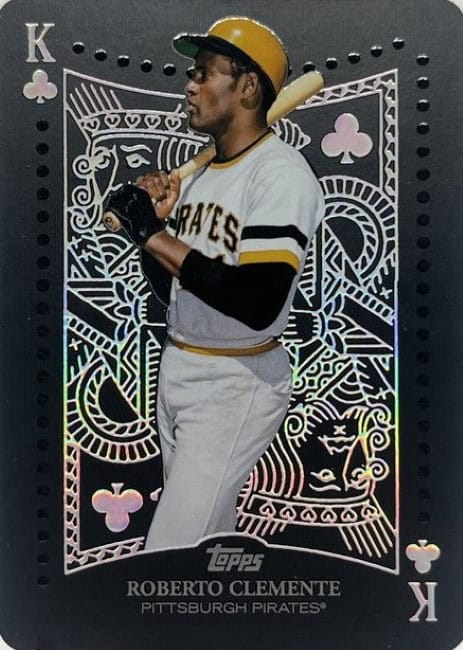
A collection built to last needs a spending plan that genuinely fits your everyday life and financial situation. Treating baseball card collecting like a marathon rather than a sprint helps prevent burnout and keeps the entire hobby enjoyable for many years to come. A few simple habits can make a real and lasting difference in how sustainable your collecting on a budget strategy actually becomes.
- Track every purchase carefully so you always know exactly where your spending stands relative to your larger goals.
- Set aside a fixed amount from your monthly budget specifically for cards, which keeps your spending predictable and genuinely sustainable.
- Save room for both small, regular purchases and larger, occasional splurges rather than spending everything you have at once.
- Practice patience by waiting for sales, comparing prices across multiple sellers, and walking away from purchases that do not fit your theme or budget.
Supplementing your card purchases with related activities can also stretch your collecting dollars considerably further than expected. Unopened packs from older sets sometimes offer surprising value for the price, and minor league games provide low-cost opportunities to collect autographs directly from players who might become stars someday.
Enjoying the Hobby Beyond the Purchase
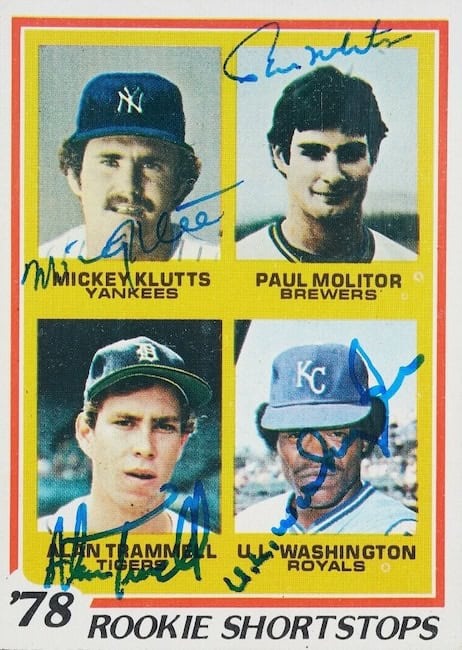
Collecting baseball cards offers rewards that extend well beyond the simple act of buying and owning cards. Connecting with other collectors, whether online or at local card shows, adds a rich social dimension to the hobby that makes every new find far more fun to share with people who understand the excitement. Trading tips, swapping stories, and learning from experienced collectors can sharpen your eye considerably and introduce you to corners of the hobby you might have otherwise missed entirely.
Displaying a collection thoughtfully also enhances the overall experience of collecting on a budget in ways that are easy to overlook. Binders, toploaders, and display cases protect your cards while letting you enjoy them regularly instead of leaving everything boxed away in storage. Taking real pride in how a collection looks reinforces the deep sense of accomplishment that comes from building something piece by piece over months and years.
Perhaps most importantly, the search itself deserves to be savored just as much as the final result. Flipping through a discount bin, striking up a conversation with a shop owner, or spotting a familiar name at a card show all contribute meaningfully to the enjoyment of the hobby. These small, unhurried moments often turn out to be just as memorable as the cards themselves.
Final Thoughts
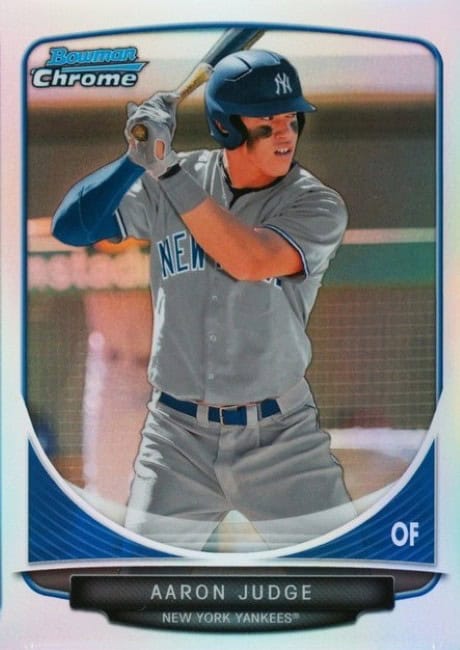
Building a satisfying baseball card collection while collecting on a budget comes down to genuine intention rather than raw income or spending power. Choosing a clear theme, looking past the most hyped rookies, and learning to evaluate card condition with a discerning eye all help collectors stretch their money considerably further than they might expect. Shopping in the right places and sticking to a realistic budget keeps the entire hobby sustainable for the long haul ahead.
None of this requires shortcuts or meaningful compromise on quality or enjoyment. A well-planned collection built around genuine personal interest often ends up far more rewarding than one assembled by chasing whatever happens to be trending at the moment. Every underrated player, vintage find, and bargain bin discovery adds a unique layer of personal history to a collection that money alone simply cannot replicate.
Approach the hobby with curiosity and patience, and strong results will follow naturally over time. A smart approach to collecting on a budget proves that genuine passion for the game matters far more than the size of your spending limit, and that the best collections are always the ones that authentically reflect the collector who built them.