
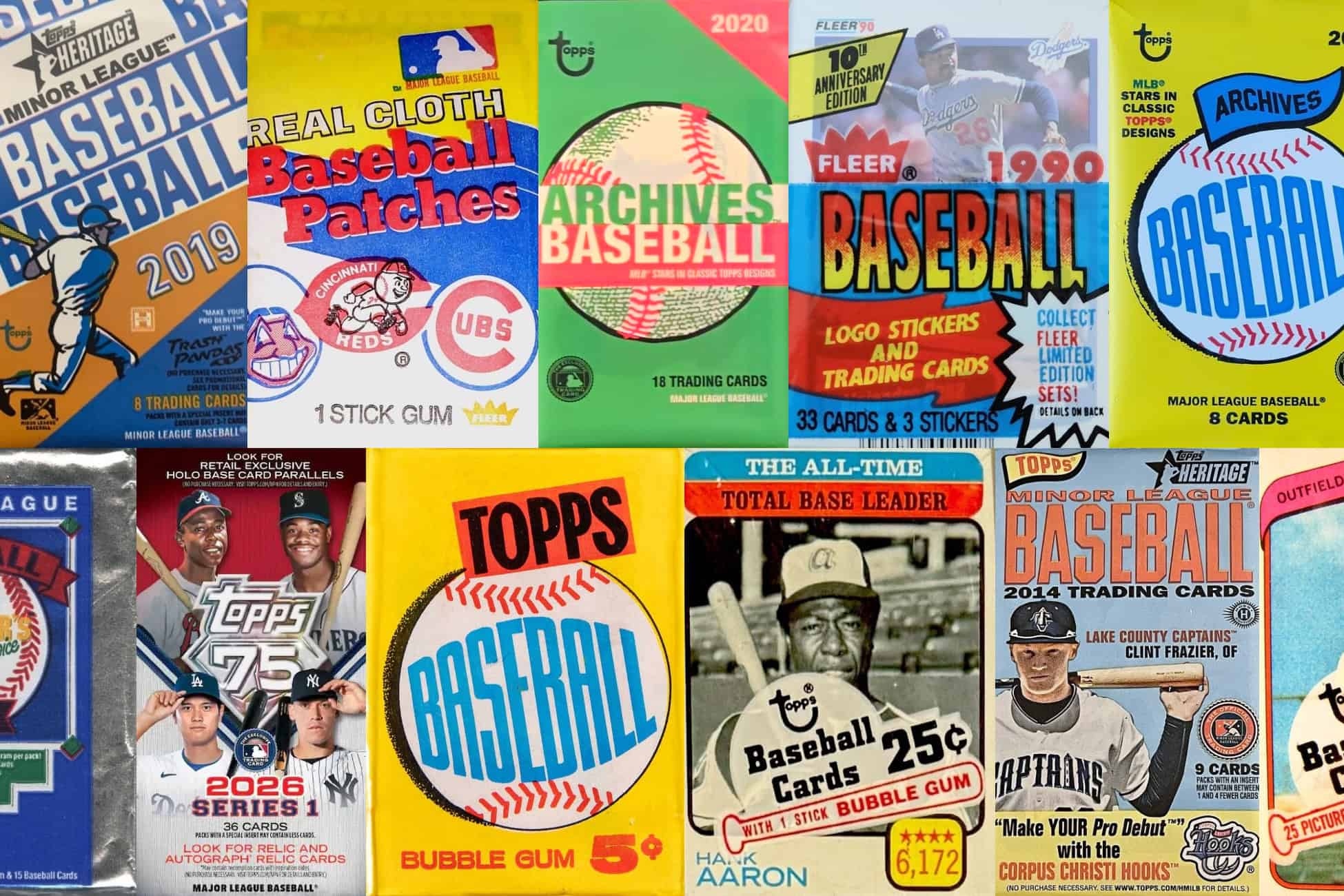
Every baseball card collector remembers the feeling of opening a pack for the first time. That anticipation, the specific sound of the wrapper tearing, and the smell of old wax or fresh foil are as much a part of the hobby as the cards themselves. Baseball card pack wrappers rarely get the spotlight that rookie cards or rare inserts receive, but they tell a fascinating story about manufacturing technology, marketing trends, and the changing habits of collectors across more than a century.
Understanding how packaging evolved helps collectors date unmarked cards, spot reproductions, and appreciate why certain unopened packs command serious money today. A wrapper is not just trash to toss aside. It is a snapshot of its era, printed with the graphics, prices, and promotional language that defined a specific moment in the hobby’s history.
This guide walks through the major packaging eras in order, from the tobacco insert cards of the 1800s through the foil packs and specialty boxes that dominate shelves now. Each section explains what made that packaging distinct and why it still matters to collectors today.
Tobacco Era: Cards Without Packs
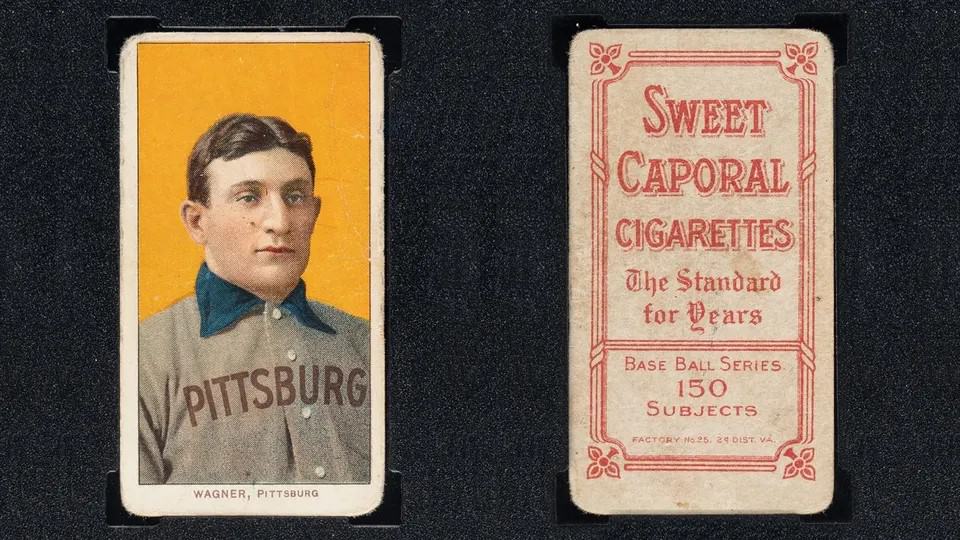
Baseball cards did not start in a wrapper at all. During the late 1800s and early 1900s, tobacco companies inserted cards directly into cigarette and tobacco packages as a stiffening device and a marketing hook. Brands like Old Judge, Goodwin and Company, and later the American Tobacco Company used these small cards to encourage brand loyalty and repeat purchases. Collectors chased complete sets by buying more tobacco products, which gave manufacturers a built-in incentive to keep printing new players.
The cards themselves acted as the packaging insert, tucked between the tobacco and the outer wrap of the pack. There was no separate cellophane or wax sleeve protecting the card from the tobacco product itself, so many surviving examples show staining, creasing, or odor from their original packaging. This lack of protection is part of why high-grade tobacco era cards, such as the famous T206 Honus Wagner, are so scarce and valuable today.
By the 1930s, candy and gum companies began to take over card production, and the tobacco insert model faded. Goudey Gum Company became one of the pioneers of this transition, and its 1933 set is often considered the bridge between tobacco era inserts and the modern gum pack format. This shift set the stage for the wax wrapper packaging that would define the hobby for decades to come.
Wax Packs
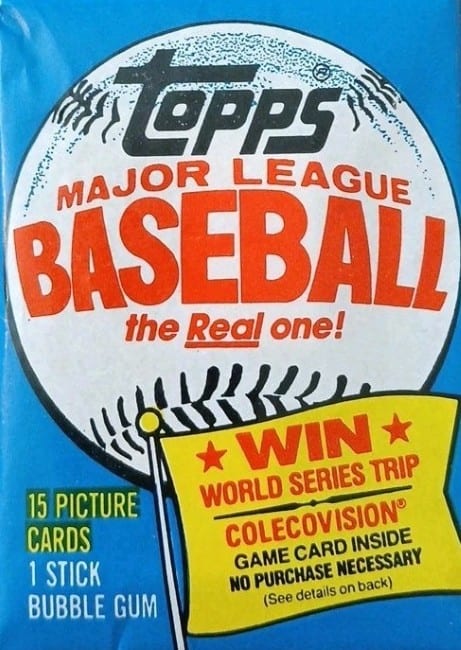
Wax paper packaging became the standard format for baseball card packs starting in the 1930s and continuing all the way through the late 1980s and into the early 1990s for many brands. Companies used a thin sheet of wax coated paper to wrap a small stack of cards together, usually alongside a stick of bubble gum. The wax coating helped keep moisture out and gave the pack a slightly translucent, waxy sheen that became instantly recognizable to generations of kids buying packs at the corner store.
Why Wax Became the Standard
Wax paper was inexpensive, easy to manufacture at scale, and simple to seal with heat. Card companies like Topps, Bowman, and Fleer relied on wax wrapping because it protected the cards from humidity during shipping while keeping production costs low. The format also allowed for colorful printed designs directly on the wrapper, which doubled as an advertising surface featuring team logos, player silhouettes, and pricing information.
The gum included in wax packs became a defining feature of the era, though it created a lasting problem for collectors. The sugar and oils in the gum often stained the top and bottom cards in a pack, leaving a waxy residue or a gum stain that lowers a card’s condition grade. Collectors today specifically look for wax stains as a way to identify cards that came straight from a pack rather than being reprinted or altered.
Collecting Unopened Wax Packs
Unopened wax packs from the 1950s through the 1980s have become highly collectible in their own right. A sealed wax pack represents an unknown outcome, since the buyer has no idea which cards wait inside, and that mystery drives strong demand at auction. Condition matters enormously here, since wax packs can dry out, crack, or develop soft creases over decades of storage. Collectors typically look for these features when evaluating a wax pack:
- Sharp corners without soft or rounded edges
- Original color and gloss on the printed wrapper
- No visible tears, punctures, or gum grease stains showing through
- Clear printed pricing and set information, which helps confirm the year and brand
Grading companies now encapsulate unopened baseball card packs much like they do individual cards, which has added a layer of legitimacy and liquidity to this niche of the hobby.
Cellophane Packs
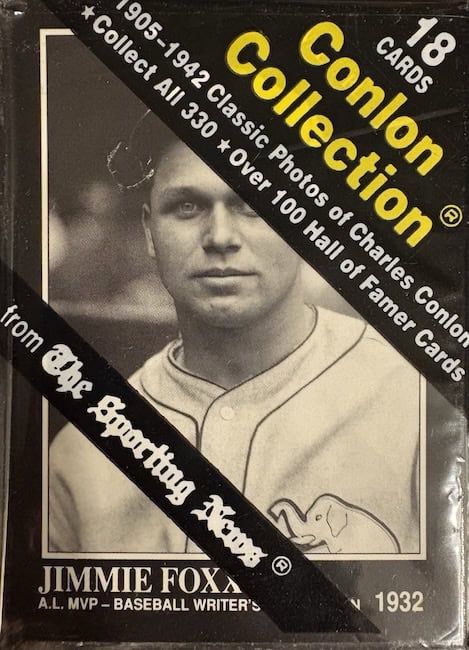
Cellophane packaging emerged as an alternative to wax wrapping and appeared most prominently from the 1950s through the 1970s, often sold alongside wax packs of the same set. Unlike the opaque wax wrapper, cellophane was a clear or lightly tinted plastic film that let buyers see part of the top card through the packaging. This transparency changed the psychology of the purchase, since a sharp-eyed kid could sometimes spot a favorite player peeking through before buying the pack.
Cellophane packs typically did not include gum, which meant the cards inside avoided the wax stains and gum residue so common in their wax pack counterparts. Because of this, cellophane packs often protected card condition better than wax packaging did. Collectors who prize high-grade vintage cards sometimes specifically seek out cellophane-packed examples for this reason, since the absence of gum reduced the risk of staining and warping.
Despite these advantages, cellophane packs were generally produced in smaller quantities than wax packs. Topps and other manufacturers often used cellophane as a secondary distribution format, selling it through different retail channels or as a premium alternative. This lower production volume makes unopened cellophane packs scarcer today than wax packs from the same year, which drives up their value among collectors chasing rare unopened material.
The clear film itself was more fragile than wax paper in some ways, prone to static cling and occasional tearing along the seams. Surviving examples in strong condition are correspondingly harder to find, adding another layer of appeal for collectors who specialize in vintage packaging.
Foil Packs
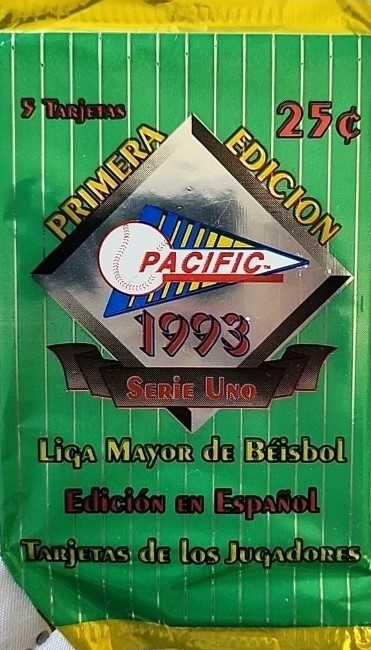
Foil packaging arrived in the mid-1980s and became the dominant format by the early 1990s, largely replacing wax as the industry standard. Manufacturers used a metallic foil laminate, often paired with bright, colorful printing, to create a more eye-catching and modern presentation on store shelves. This shift coincided with the broader baseball card boom of the late 1980s and early 1990s, when production volume and retail competition both surged dramatically.
Foil packs offered practical improvements over wax and cellophane. The material sealed more securely, resisted moisture better, and eliminated the gum stain problem entirely, since most brands phased out gum inclusion by this point. The shiny, reflective surface also gave companies a new canvas for flashy graphic design, which fit the era’s taste for bold colors and dynamic photography.
The Junk Wax Era Connection
Foil packaging is closely associated with what collectors now call the junk wax era, roughly spanning 1987 through 1994. During this period, manufacturers dramatically overproduced cards, and foil packs became the primary vehicle for that flood of product. Because so many foil packs from this era survive unopened in closets and warehouses, they generally hold modest value compared to vintage wax or cellophane packs, despite being younger.
That said, certain foil packs from this stretch do carry collector interest, particularly those tied to a specific rookie class or a short-printed insert set. Upper Deck’s 1989 baseball release, for example, used foil packaging and introduced a security hologram to combat counterfeiting, a detail that collectors still reference when discussing packaging innovation. Foil packaging continues in various forms today, especially for premium and high-end releases where a more substantial, tamper-resistant seal adds perceived value.
Boxes and Other Packaging
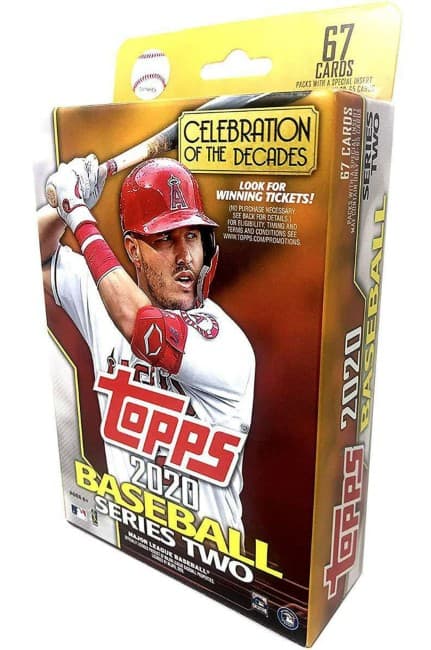
Beyond individual wax, cellophane, and foil packs, card manufacturers have long used a variety of box formats and specialty packaging to reach different segments of the collecting market. Wax boxes, which held a set number of individual wax packs, became a staple of hobby shops and became especially important once box-level collecting grew popular in the 1980s. A sealed wax box carries more value than the sum of its individual packs, since box freshness assures buyers that no packs have been searched or resealed.
Rack packs offered another format, using a longer cellophane sleeve to hold three connected stacks of cards, often with a visible card on both ends of the pack. This style let retailers display more cards per unit of packaging and gave buyers a bit more visual information before purchasing. Rack packs remained popular through the 1980s and into the 1990s alongside traditional wax and foil offerings.
Modern hobby and blaster boxes represent the current evolution of this trend. Hobby boxes, typically sold to specialty shops and online retailers, contain a fixed number of packs and often guarantee certain hit cards like autographs or memorabilia pieces. Blaster boxes, aimed at big box retail stores, offer a smaller and more affordable option for casual collectors. Both formats use sturdier cardboard boxes with foil-sealed packs inside, reflecting how far packaging has come from a simple wax wrapper and a stick of gum.
Specialty packaging has also emerged for high-end releases, including tin boxes, magnetic closure cases, and factory-sealed sets designed explicitly for display and long-term storage. These formats speak to a collector base that increasingly values presentation and protection as much as the cards themselves.
Final Thoughts
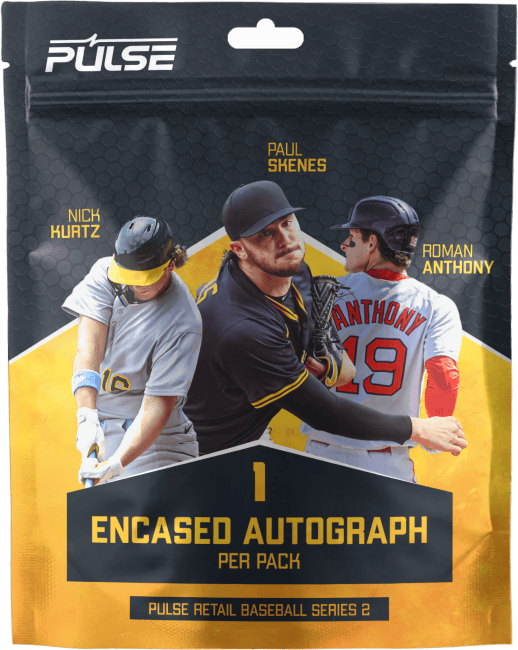
The story of baseball card packaging mirrors the story of the hobby itself. Tobacco inserts reflect an era when cards served as a marketing afterthought, while wax packs capture the golden age of neighborhood candy stores and impulse buys. Cellophane offered a glimpse of transparency and better preservation, and foil packaging brought the shine and scale of a booming industry eager to meet massive collector demand.
For today’s collectors, understanding these packaging eras adds real value beyond nostalgia. Recognizing wax stains, identifying cellophane’s telltale clear window, or spotting a foil pack’s security features can help authenticate cards, date unmarked material, and make smarter purchasing decisions at shows or online auctions. Unopened packs, boxes, and specialty packaging have also become collectible categories of their own, often carrying significant premiums for well-preserved examples.
Whether a person collects vintage tobacco cards, chases 1980s wax boxes, or hunts modern hobby releases, paying attention to the wrapper tells part of the story that the cards alone cannot. Baseball card packs have always been more than simple containers. They are small pieces of printed history, and appreciating their evolution deepens the enjoyment of every pack a collector opens, past or present.