
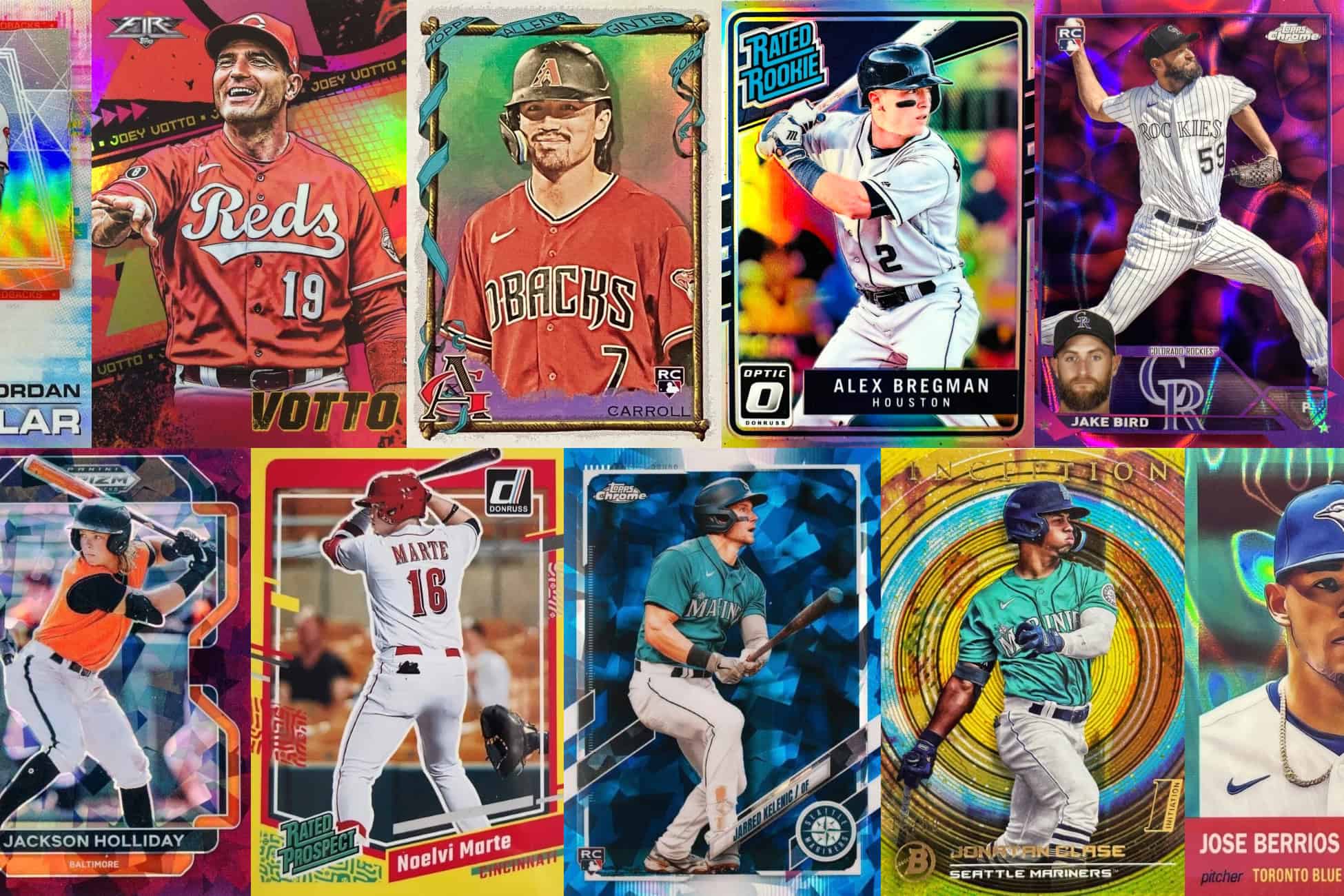
Baseball’s labor clock is ticking again. The collective bargaining agreement between Major League Baseball and the players’ union expires on December 1, 2026. Most observers expect the owners to lock out the players as soon as it does. For collectors, that raises a simple question: what happens to baseball cards when the sport goes quiet?
The good news is that the hobby has been here before. The 2021-22 lockout lasted 99 days, and card releases barely missed a beat. Collectors still lined up for new products, chased hot rookies and filled breaks. History suggests the hobby holds up better than many fans expect.
A lockout does change some things, though. Photos can go out of date, rookie timelines can shift and some products depend on live games. This guide covers what MLB lockout baseball cards will likely look like, what history teaches us and how collectors can make smart moves while the two sides negotiate.
Where the Labor Talks Stand
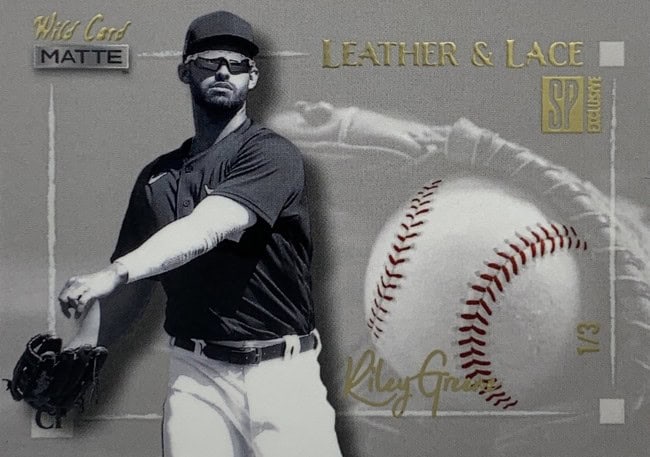
The current agreement came out of the last lockout. It runs through five seasons and expires just after the 2026 World Series. Both sides have signaled for months that a deal before the deadline is unlikely. In September 2026, the prediction market Kalshi gave only about a 5% chance of a new agreement before December 2.
Economics is the biggest sticking point. Owners want a salary cap, and the union strongly opposes one. Baseball remains the only major North American league without a cap, so any move toward one would reshape how teams spend. That gap is wide, and it explains why few insiders expect a quick resolution.
Commissioner Rob Manfred has even described a lockout as a positive in an unusual way. The players’ union has said it expects a work stoppage too. Collectors should plan on a lockout beginning in early December.
The real unknown is how long it lasts. A short offseason lockout would mirror 2021-22. A longer one could push into spring training and threaten regular-season games. That hasn’t happened since 1995.
Why Card Production Keeps Rolling
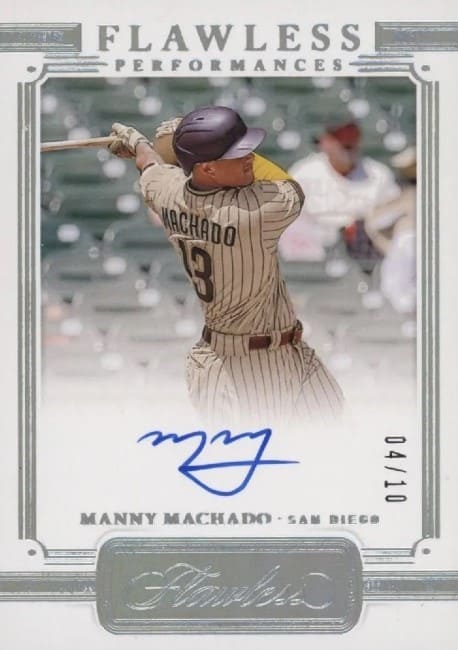
A lockout is a labor dispute between owners and players. It doesn’t cancel the licensing deals that put team logos and player images on cards. Those deals sit outside the CBA, and both sides profit from them.
Fanatics now controls both key licenses. Its deal with the MLB Players Association began in 2023, and its deal with MLB took effect in 2026. Fanatics also bought Topps in early 2022, so the familiar Topps brand continues under the new structure. MLB and the union both hold equity in the Fanatics trading card venture. Each side has a direct financial stake in steady card sales.
That shared interest matters. Card licensing has long been a major revenue source for players. In 2020, Topps paid the MLBPA about $20 million in licensing fees, the union’s largest source of licensing revenue. Neither side gains anything by shutting off that revenue during a fight over salaries.
The production calendar also works in collectors’ favor. Card makers design, print and sell early-year products months ahead of release. By the time a lockout starts in December, the first big releases of 2027 are already well underway. Retailers and distributors have usually ordered their boxes. That pipeline keeps the hobby moving even when stadiums sit empty.
What Happens to Unlicensed Brands Like Panini and Leaf?
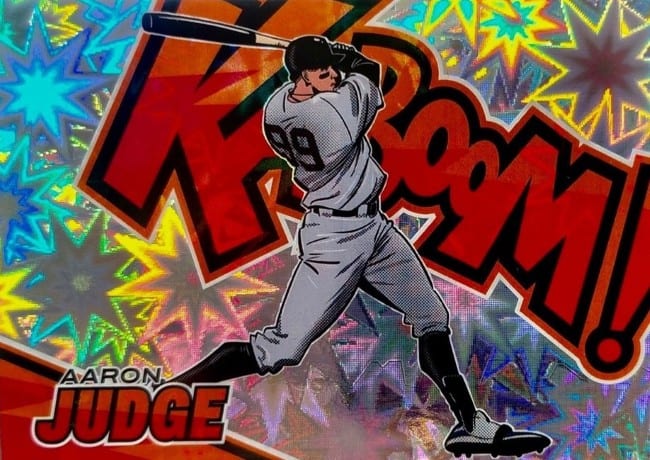
Fanatics and Topps hold the full MLB license, but they aren’t the only names in baseball cards. Panini and Leaf also release baseball products each year. These brands can’t use MLB team names, logos or uniforms. Their sets focus mostly on prospects, retired legends and draft picks. Current stars appear only when the company has rights to use them.
A lockout should barely touch these companies. Their products never depended on MLB games or league branding in the first place. Panini’s 2026 lineup already includes Prizm, Donruss and Immaculate releases built around those limits. Leaf’s draft products, packed with autographs of young players, follow the same model.
Panini also just expanded its reach. In late September 2026, it signed a multi-year deal with MLB Players, Inc. that covers every active minor leaguer. The deal is non-exclusive and doesn’t include team logos. Even so, it gives Panini a much deeper prospect pool. The first product under the deal, Three and Two Baseball, arrives in November 2026. Panini says it could release up to 12 products per year with minor leaguers.
Unlicensed cards also have a quiet advantage during a lockout. They don’t show team logos, so free agents don’t look out of date in an old uniform. A logo-free card works no matter where a player signs.
Unlicensed cards typically sell for less than fully licensed versions, so they can be an affordable way to keep collecting while the labor talks play out.
Lessons From the 2021-22 Lockout
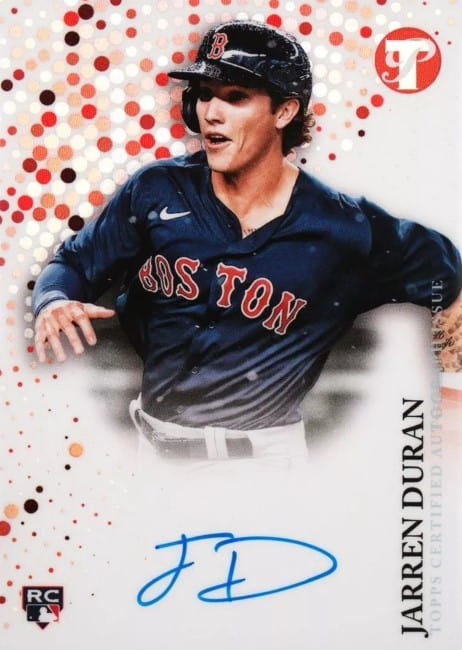
The last MLB lockout offers the clearest preview for baseball cards. Owners locked out the players on December 2, 2021, and the standoff ran until March 10, 2022. Spring training opened late, and Opening Day slipped to April 7. The hobby stayed busy the whole time.
2022 Topps Series 1 arrived in February, right in the middle of the dispute. Collectors ripped it anyway. Wander Franco’s rookie cards sparked a frenzy that collectors nicknamed WanderMania. Short prints sold for big money on release day, and live breakers opened case after case for eager audiences.
Topps even hinted that it could have printed more. At its industry conference in late February 2022, the company said demand would have supported higher production. That was a strong signal, since no one knew when games would resume.
One hobby writer pointed out at the time that Series 1 had already gone to stores and distributors before the lockout. Any real pressure, the writer argued, would show up later in the year if the dispute dragged on. It never came to that. The two sides reached a deal, MLB preserved the full 162-game schedule with makeup games, and the 2022 card calendar rolled forward smoothly.
How a Lockout Changes the Look of New Cards
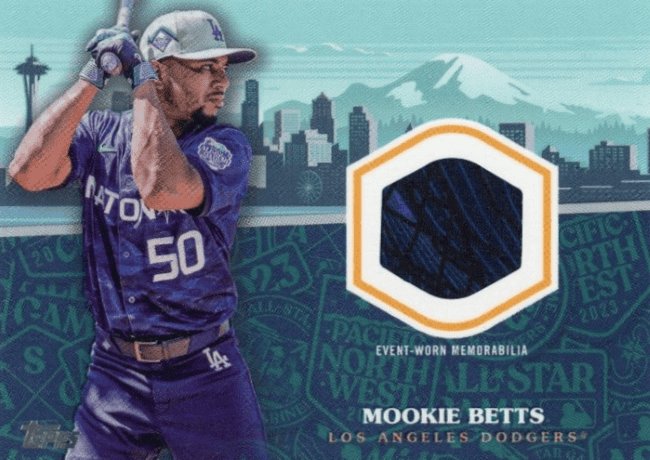
Even when production continues, a lockout leaves its mark on the cards themselves. The most visible change involves uniforms.
Free Agents in Old Colors
During a lockout, teams can’t sign or trade players on 40-man rosters. The free agent market freezes. Stars who would normally switch teams in December or January stay unsigned while early sets go to print.
Some players beat the deadline. In late November 2021, a wave of big contracts landed in the final days before the lockout. Many others had to wait. Freddie Freeman, for example, didn’t join the Dodgers until after the lockout ended in March 2022. Collectors had to wait for later releases to see him in Dodger blue.
Update Sets Do the Catching Up
Topps Update and other summer releases fill the gap. Those sets typically show traded and newly signed players with their new teams. A lockout simply loads more of that work onto mid-season products. For team collectors, Update can become a bigger release than usual.
Many collectors enjoy these quirks. A star pictured with his old team in a lockout year becomes a small piece of hobby history. The cards capture an offseason that unfolded in an unusual way.
Rookie Cards and Prospect Products
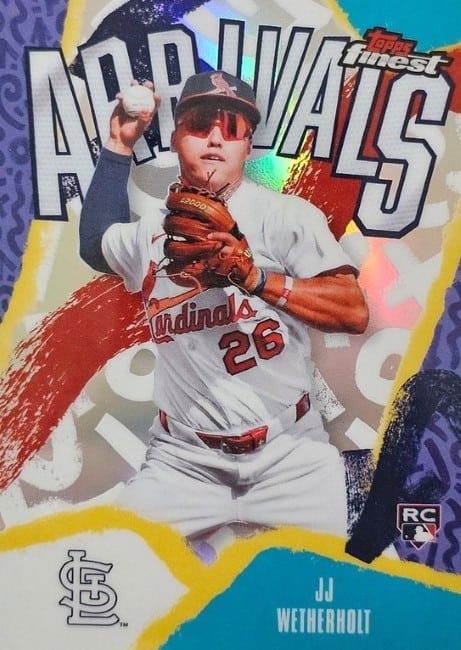
Rookie cards drive much of the modern market, so timing matters. Most rookies in early 2027 sets will have debuted during the 2026 season. Their cards should arrive on schedule.
The players to watch are prospects expected to debut in spring 2027. If a lockout delays Opening Day, it delays their debuts too. Some may not get their first flagship rookie cards until later in the year. That can shift excitement from spring releases to summer and fall products.
Prospect products face a different picture. Bowman and similar sets focus on minor leaguers and draft picks. In 2022, the minor league season started on time. Prospects who weren’t on 40-man rosters kept playing. Players on 40-man rosters were locked out along with big leaguers.
Minor leaguers have since joined the MLBPA, and they work under their own separate agreement. How the rules apply in a 2027 lockout is worth watching. Still, prospect cards usually depend less on big league games than any other category. Collectors who focus on prospecting may notice the least disruption of anyone in the hobby.
Topps Now and Other Game-Driven Releases
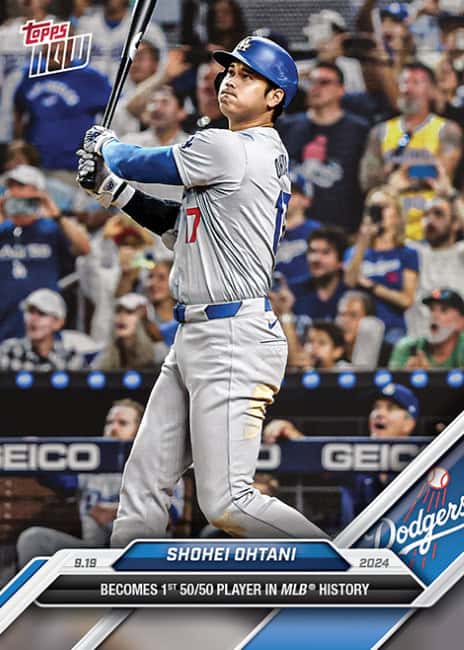
Some products need live games. Topps Now is the best example. These on-demand cards capture big moments, from walk-off homers to milestone strikeouts. With no games, there are no new moments to commemorate.
A lockout won’t stop on-demand cards entirely. Offseason awards, special events and post-lockout signings can still inspire releases. But the flow of game-based cards would pause until the season starts. If a stoppage cancels regular-season games, those missing weeks become a gap in the catalog.
On the bright side, pent-up demand can make the first cards of a new season especially popular. When games return after a long wait, fans tend to celebrate. Opening Day moments, first career hits and early milestones could draw extra attention in a post-lockout season. Collectors who chase Topps Now cards may find those early 2027 releases unusually exciting.
What Happened During the 1994-95 Strike
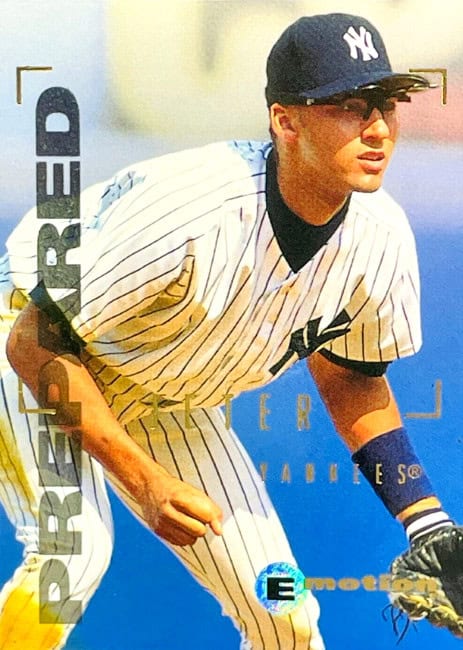
The 1994-95 players’ strike is the hobby’s cautionary tale. Players walked out in August 1994. The rest of the season and the World Series were canceled, and the 1995 season started late and ran only 144 games.
The strike hit at a delicate moment for collectors. The hobby was coming off an era of massive overproduction, often called the junk wax era. Many card values had already stalled. The labor fight added frustration, and fan interest in baseball dipped for several years.
It’s important to keep that history in context. The 1994 dispute was a midseason strike that wiped out a postseason. A December lockout starts during the quietest part of the calendar. Card makers in the 1990s also faced crowded competition and huge print runs. Today’s hobby features exclusive licensing, serial-numbered parallels and a global collector base. Many observers believe those conditions give the market a sturdier foundation.
The recovery story offers plenty of hope, too. Baseball rebounded in the late 1990s, helped by the thrilling 1998 home run chase. Card makers responded with creative inserts and premium products that collectors still prize today. Even the hobby’s toughest labor stretch eventually gave way to a new era of excitement.
How a Long Lockout Could Affect Prices
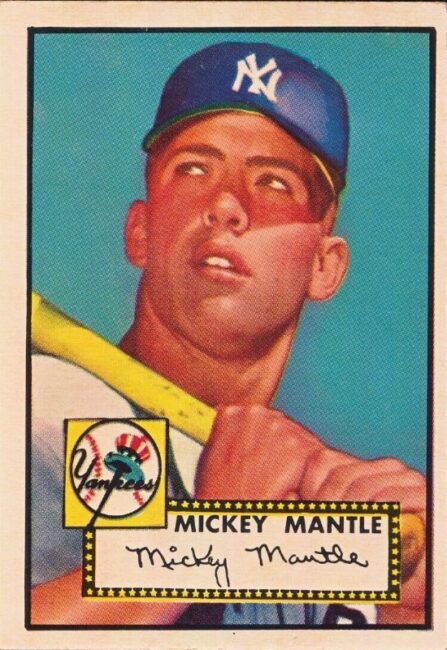
Card prices follow interest, and interest grows when baseball makes headlines for good reasons. A short MLB lockout that ends before spring training should have little effect on the value of baseball cards. That pattern held in 2022.
A longer stoppage could shift things. If regular-season games disappear, casual buyers may drift toward football, basketball or non-sports releases. Current-year baseball products and active veterans could soften as attention moves elsewhere. Some fans have even signed an online petition pledging to skip licensed merchandise during a lockout.
Vintage cards may hold steadier. Classic cards of legends depend far less on the current season. A 1952 Topps Mickey Mantle or a 1933 Goudey Babe Ruth draws buyers regardless of labor news. Graded vintage and established Hall of Famers tend to ride out short-term noise.
For patient collectors, a dip can create opportunity. Softer prices on young stars and current releases could make it easier to add key cards to a collection. When games return, demand often follows.
Smart Collecting Strategies During a Lockout
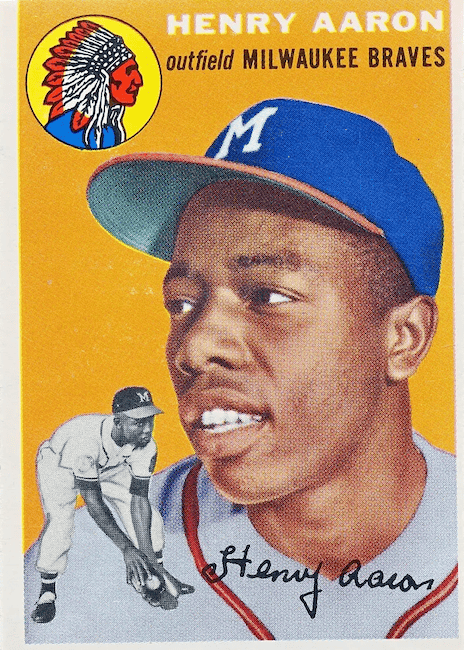
An MLB lockout doesn’t have to slow down your baseball card collecting. Start by tracking the calendar. News about spring training delays signals a longer stoppage, and that can bring price swings. Meanwhile, you can buy early releases with confidence. Card makers typically lock in products like Series 1 well before a lockout begins.
Uncertain stretches reward a focus on established players. Stars with long track records usually hold their value better than unproven names. Free agents call for patience, though. If you want cards of players with their new teams, wait for Update and later sets. A long stoppage could also bring bargains, so keep an eye out for dips on cards you want to hold for the long term.
Finally, use the downtime to explore the hobby’s roots. Immerse yourself in baseball’s bygone eras and pursue some vintage cards. Classic cards connect you to the game’s rich history, and they don’t depend on whether this season starts on time.
Final Thoughts
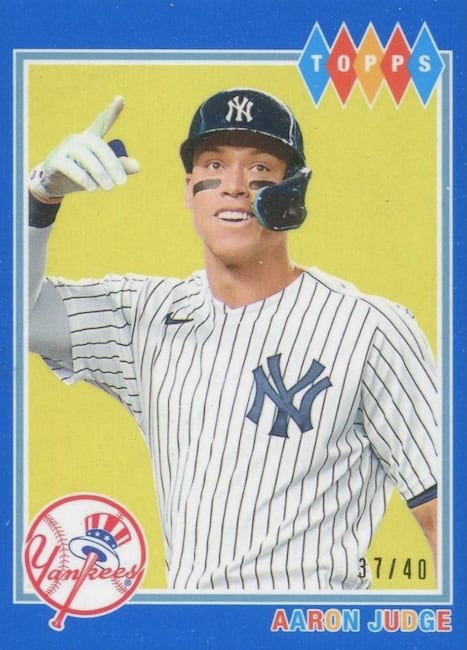
An MLB lockout sounds alarming, but baseball cards have weathered labor fights before. The 2021-22 lockout showed that the hobby can thrive even when the sport takes a break. Licensing deals keep production moving, and early releases arrive on schedule.
The biggest changes collectors should expect involve looks and timing. Free agents may appear with old teams, some rookies could debut later and game-based products may pause. A long stoppage that cancels games could cool prices, especially for current-year products. Even then, history shows that baseball and the hobby tend to bounce back.
The best approach is to stay informed and collect with a long view. Labor talks will grab headlines this winter. Meanwhile, new cards will hit shelves, breakers will keep ripping and the chase will go on. When the first pitch of 2027 finally arrives, collectors will be ready to celebrate.