
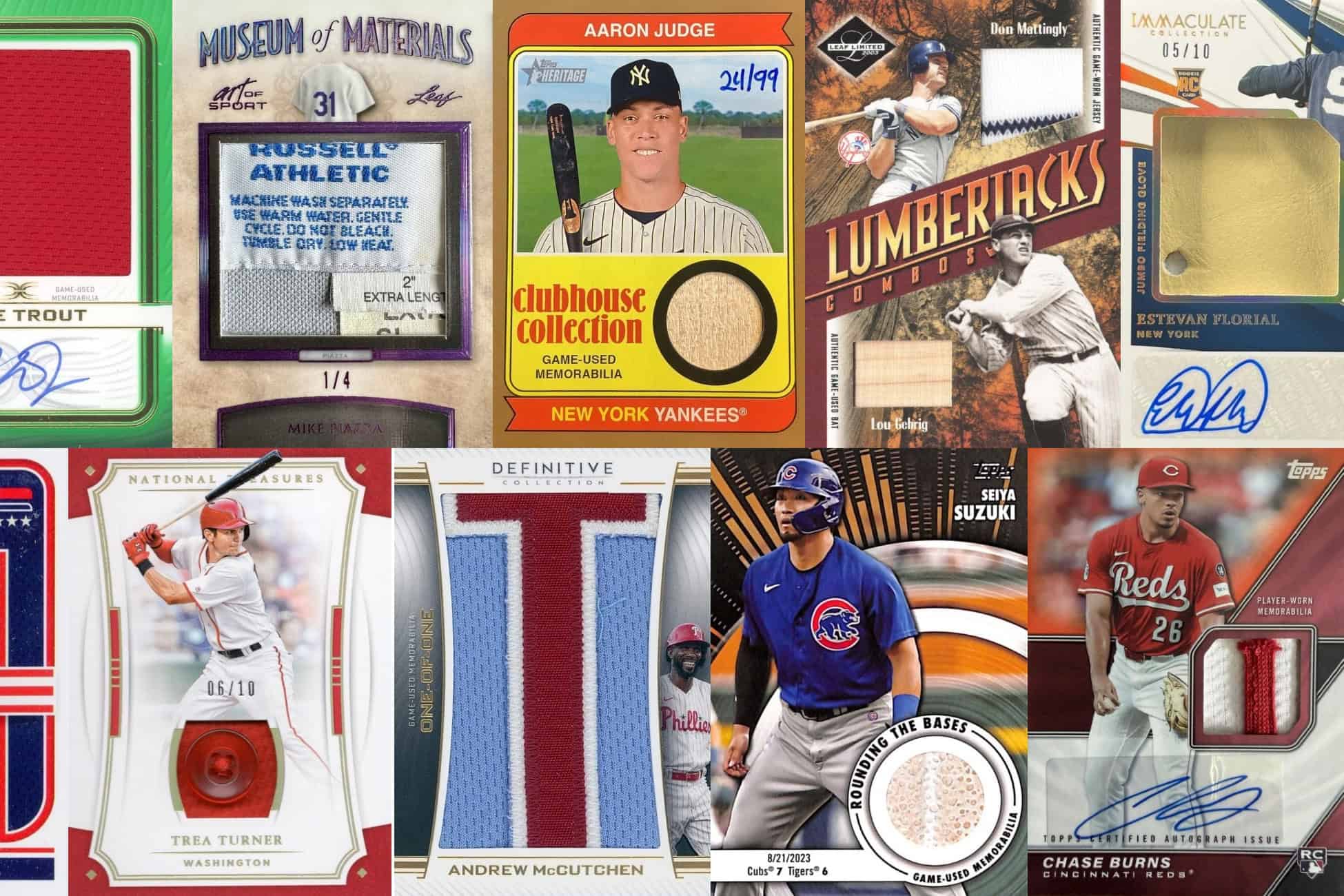
Relic cards changed the hobby the moment collectors realized a trading card could hold more than a photo and a stat line. Suddenly a card could contain a literal piece of the game. From a jersey, bat, or even infield dirt, that connection to a player is why relic cards are so exciting. Knowing the different relic types is a key to unlocking a new side of collecting.
For newer collectors, the sheer variety of relic types can feel overwhelming. Manufacturers have stuffed cards with everything from standard jersey swatches to bronzed cleats and pieces of a Hollywood cornfield. Knowing the differences between these categories helps you understand what you are actually holding, how it was sourced, and why some relics command higher prices.
This guide walks through the major families of relic cards from everyday uniform swatches to truly unusual pieces. Whether you are chasing your first jersey card or trying to track down a game-used base, let’s get started.
What Makes a Card a Relic Card
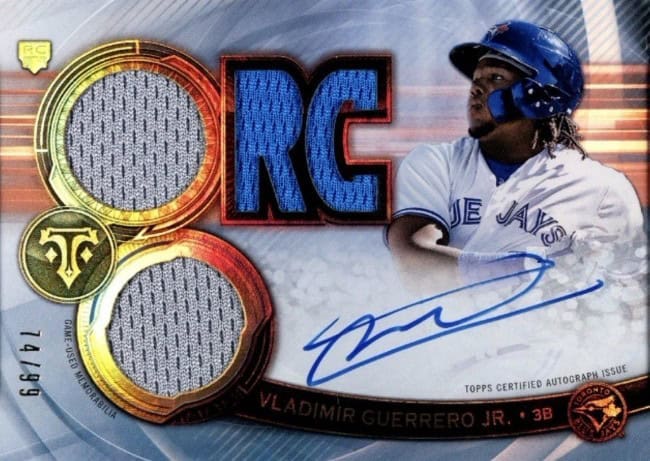
A relic card, sometimes called a memorabilia card, is any trading card that has an actual physical item embedded in it. Terminology is important: Relic cards serve as an umbrella term for the entire category. Patch cards represent a specific high-end subset that includes a piece of a team logo, number, or multicolor jersey design. Every patch card is technically a relic card, but not every relic card qualifies as a patch.
The back of a relic card typically explains where the material came from. This is one of the most important things a collector can check. Some manufacturers describe the piece as game-used, meaning it was worn or used during an actual game. Others describe the material as player-worn, which ca mean the item was worn during a team event rather than a game. Game-used pieces generally carry a stronger premium because they connect directly to a specific performance or season. Nonetheless, both have their place in the collecting world.
Authenticated & Multiple Relic Types
Some cards go a step further and include an MLB hologram sticker on the swatch itself. This hologram lets a collector look up the exact game the material came from in MLB’s authentication database. It adds a documented layer of provenance that plain relics do not have.
Relic cards can also be paired with an autograph, or several pieces of memorabilia in the card. The latter is referred to as a dual, triple, or quad relic card. Larger swatches are called “jumbo” relics. A rare type of relic is the booklet. This can contain anywhere from a few to dozens of relic swatches. They are usually from many different players who have something in common. For example, they might have played on the same team or during the same time period.
Typical Uniform Relics: Jersey, Bat, and Patch Cards
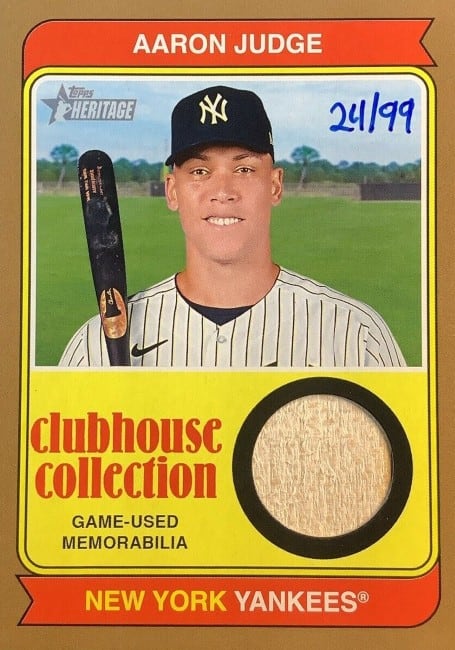
The vast majority of relic cards fall into a few familiar categories. Nearly every modern set includes at least one of them.
Jersey Swatch Cards
Typical Rarity: 1-6
Jersey cards feature a small piece of fabric cut from a player’s uniform. These are usually single-color swatches from a plain section of the jersey, most often the tail, back, or sleeve. Jersey material is relatively easy to source, so standard swatches tend to be the most affordable and widely available relic type. This makes them a great entry point for new collectors.
Bat Relic Cards
Typical Rarity: 1-6
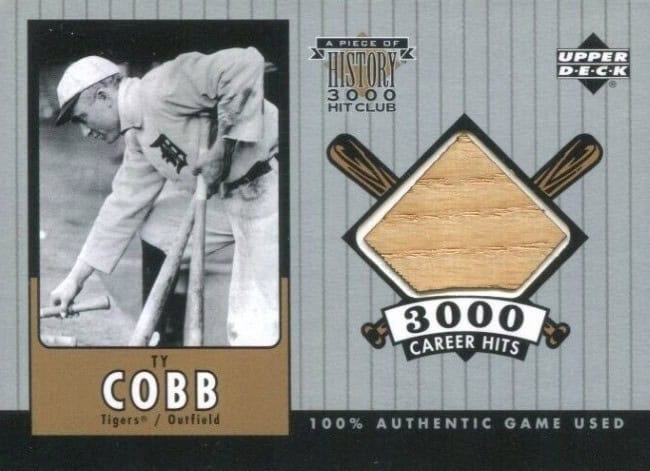
Baseball bat cards contain a sliver of wood from a player’s game-used bat. Bat relics carry a different appeal than fabric swatches. Wood grain and finish vary noticeably from player to player, giving each card a distinct look. They are also desirable because they typically are produced for players who are known for their hitting ability. Also, they are almost always game-used due to the nature of the memorabilia.
Patch Cards
Typical Rarity: 4-10
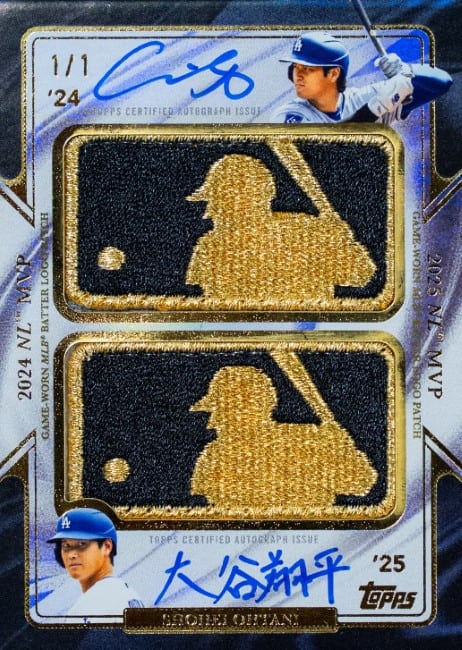
Patch cards are considered the premium tier of uniform relics. A patch includes part of a name, number, piping or team logo taken from a jersey. Multicolor patches with visible lettering or crests are especially prized because no two are exactly alike. The visual impact is far greater than a solid-color swatch.
The most valuable patches feature the MLB Logoman, the league’s silhouette logo cut directly from a game-worn uniform. These patches are often added to a real, game-worn jersey to commemorate a major event, like a player’s first game, and then are typically signed as a 1/1. For that reason, Logoman cards can command thousands of dollars because so few exist.
Laundry Tag Relics
Typical Rarity: 8-10
A more specialized variation is the laundry tag relic. This uses the small manufacturer or care-instruction tag sewn into the inside of a jersey rather than the fabric itself. Topps has featured laundry tags in sets like Triple Threads. Because only one tag exists per jersey, these relics are scarcer than standard swatches even though they are visually less flashy. Some critics in the hobby press have poked fun at the idea of collecting a jersey’s care label. However, the appeal comes down to genuine scarcity rather than aesthetics.
Weird Uniform Relics
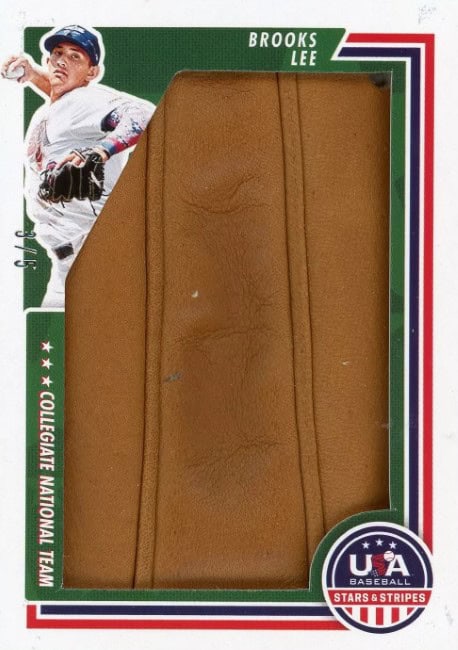
Once card companies exhausted the basic jersey and bat formula, they began looking at other equipment a player wears. These atypical uniform relics give collectors variety and, in some cases, a shot at owning something genuinely uncommon.
Gloves, Caps, and Helmets
Typical Rarity: 5-7
Fielding gloves and batting gloves have both appeared as relic material. Cap relics, including small cap buttons taken from the top of a player’s hat, offer another alternative to fabric swatches. Batting helmet relics also show up periodically, usually in higher-end products. They tend to carry a novelty appeal since helmets are used far less often as relic sources than jerseys or bats. Those cards are some of the heaviest and thickest cards you will find.
Cleats and Socks
Typical Rarity: 6-8
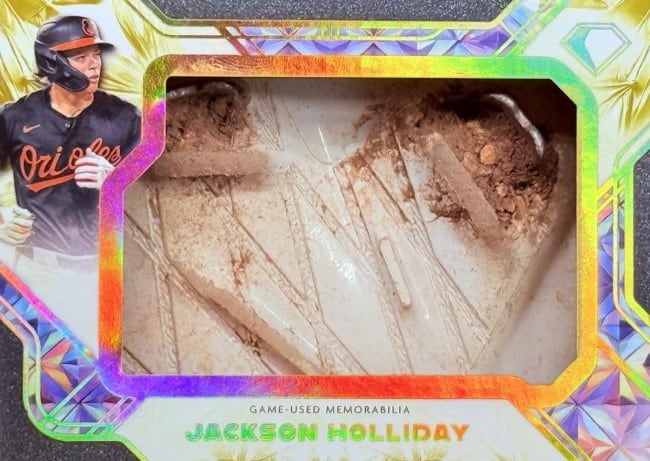
Cleat relics take a small piece of a player’s game-worn shoe. Because cleats see far more wear and physical stress than a jersey, they can carry a rugged, well-worn look that some collectors find more compelling than a clean fabric swatch. Both the material of the shoe and the cleats themselves have been placed in cards. They’re also very rare, since players’ cleats are less commonly swapped out throughout the year. Notable examples are the Panini Flawless and Topps Diamond Icons cleats. Sock relics are rarer still, but they have appeared in select memorabilia products as manufacturers continue hunting for fresh uniform items to feature.
Shoelaces
Typical Rarity: 7-8
Shoelace relics represent one of the more offbeat categories in the hobby. Like cleats, they come directly from game-worn footwear. These tend to show up as a novelty insert rather than a flagship product staple. They appeal to collectors who enjoy tracking down the more unusual parts of a checklist.
Game-Specific Relics
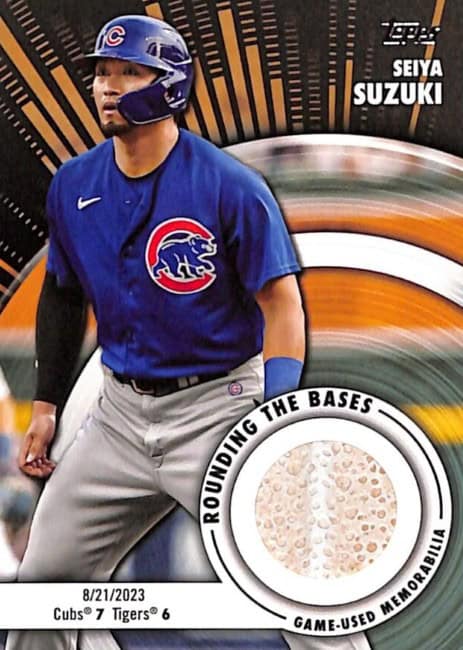
Some of the most memorable relic cards do not come from a uniform at all. Instead, they are pulled from the field, the equipment used mid-game, or the paperwork that documents the action.
Game-Used Base Relics
Typical Rarity: 4-7
Topps has built an entire relic category around bases actually used during MLB games, often tied to milestone moments. For example, Topps Now cards featuring genuine game-used base material, typically serial numbered and released within days of a game. Base relics can supply material for these limited print runs while still connecting directly to a specific game.
Field Dirt Relics
Typical Rarity: 5-7
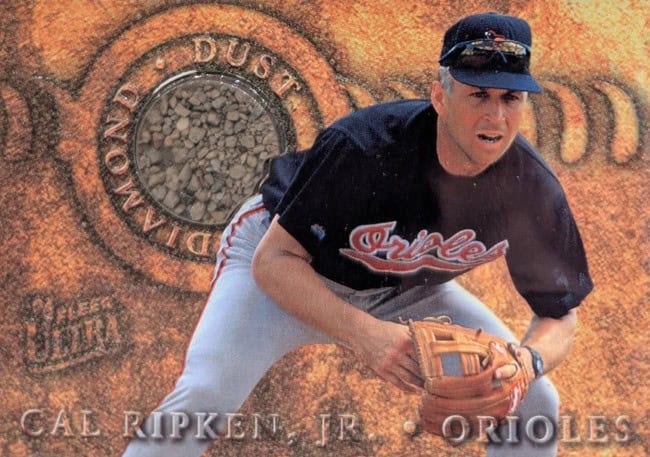
Believe it or not, dirt was one of the very first relic materials ever used in the hobby. Ultra’s 1996 release featured a Cal Ripken Jr. card containing actual dirt, created to commemorate his consecutive games played streak. It is one of the earliest true relic cards predating the jersey swatch boom that followed. Since then, other companies have occasionally revisited the idea.
Game-Used Lineup Cards
Typical Rarity: 7-9
Every MLB game begins with a physical lineup card handed to the umpires, and these cards have become their own memorabilia category. Fanatics Authentic has issued game-used lineup cards tied to specific matchups, sometimes paired with a player autograph. While lineup card relics are more commonly sold as standalone memorabilia pieces than embedded inside trading cards, they represent a fascinating extension of the relic concept because each one is a literal document from a real game rather than a cut piece of equipment.
The “Field of Dreams” Cornstalk Cards
Typical Rarity: 6-8
Few relic releases have captured hobby attention quite like the cornstalk cards tied to MLB’s Field of Dreams game in Iowa. When the New York Yankees and Chicago White Sox played their inaugural game at the site in August 2021, Topps Now released cards featuring genuine pieces of cornstalk pulled from the surrounding field. Topps returned to the format for the 2022 Field of Dreams game as well, releasing another round of corn stalk relic cards serial numbered to small print runs. These cards stand out because the relic material has nothing to do with a uniform or piece of equipment at all. It ties directly to the setting of the game itself, turning a novelty movie location into a genuine piece of MLB history that collectors can hold.
Non-Game Relics: Commemorative Patches and Coins
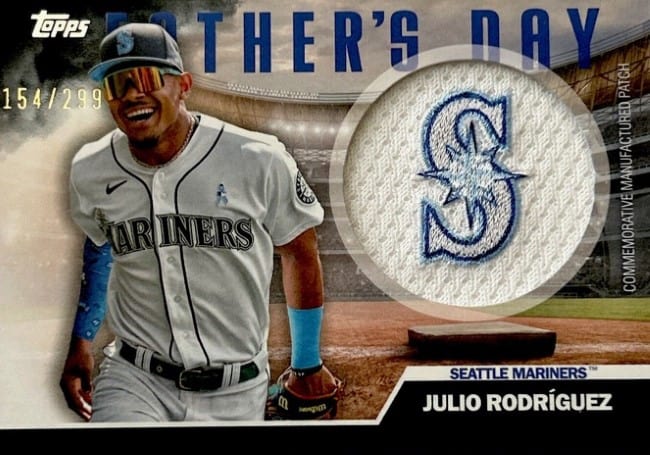
Not every relic on the market comes from an actual game. A significant portion of the category consists of items created specifically for commemorative or ceremonial purposes, and collectors should understand how these differ from true game-used material.
Commemorative Event Patches
Typical Rarity: 1-3
Commemorative patches replicate the special patches players wear during specific honors or events rather than pulling from a standard jersey. All-Star Game patches and Silver Slugger patches are two of the most common examples. These patches are often created in limited batches tied to the award or event itself, and the cards built around them are typically serial numbered to reflect that scarcity. However, they are not worn (or even designed to be worn) by the players. They give the look of a relic without the price tag.
Coin and Medallion Relics
Typical Rarity: 2-5
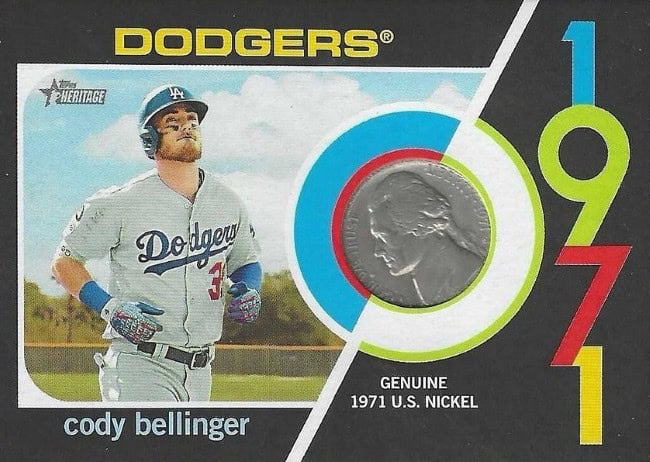
Some relic products swap out fabric entirely in favor of metal. Topps has released commemorative medallion cards featuring items like World Series Trophy medallions paired with players from the champion team. Topps Heritage has also created relic cards with regular US coins in them, commemorating the date of an event or anniversary. These coin and medallion relics are prized less for game connection and more for the ceremonial significance of what they represent.
Why Relic Types Matter
Collectors sometimes debate whether commemorative relics deserve the same respect as true game-used pieces, since the material was often produced for a photo shoot, ceremony, or promotional event rather than worn in the heat of competition. That said, many of these patches are still exceptionally limited, officially licensed, and tied to genuinely significant honors like an All-Star selection or a Silver Slugger award. The key is knowing what you are buying. Reading the card back carefully will tell you whether a patch commemorates an achievement or was pulled from an actual jersey worn on the field.
Getting the Most Out of Relic Collecting
With so many relic types on the market, it helps to approach the category with a clear sense of what interests you most as a collector. Some hobbyists chase pure scarcity, hunting down laundry tags, Logoman patches, or low serial numbers regardless of the player. Others prioritize a personal connection, wanting a piece of material tied to their favorite team or a specific milestone game. Neither approach is more correct than the other, and plenty of collectors mix both strategies depending on the release.
It is also worth remembering that authentication matters more in this category than almost any other type of card. Always check whether a listing or card back specifies game-used versus player-worn material, and look for an MLB hologram when you want documented proof of origin. Grading companies will also note relic authenticity on their labels, which can add peace of mind when buying higher-value pieces on the secondary market.
Final Thoughts
Relic cards have grown from a simple novelty into one of the most diverse and creative corners of the hobby. What started with jersey swatches and bat chips has expanded into bases, dirt, cornstalks, cleats, shoelaces, and even commemorative medallions, giving collectors an enormous range of material to pursue at nearly every price point.
Understanding the differences between these relic types, particularly the distinction between game-used and player-worn material, helps collectors make smarter decisions about what they are adding to their collection. A basic jersey swatch and a game-used Logoman patch might both be called relic cards, but they occupy very different tiers of rarity and value.
Whether you are drawn to the historical weight of a Cal Ripken Jr. dirt card, the novelty of a Field of Dreams cornstalk relic, or the classic appeal of a well-designed patch card, there has never been a better time to explore this side of the hobby. The variety on the market today means there is a relic type out there for nearly every collecting interest and budget.