
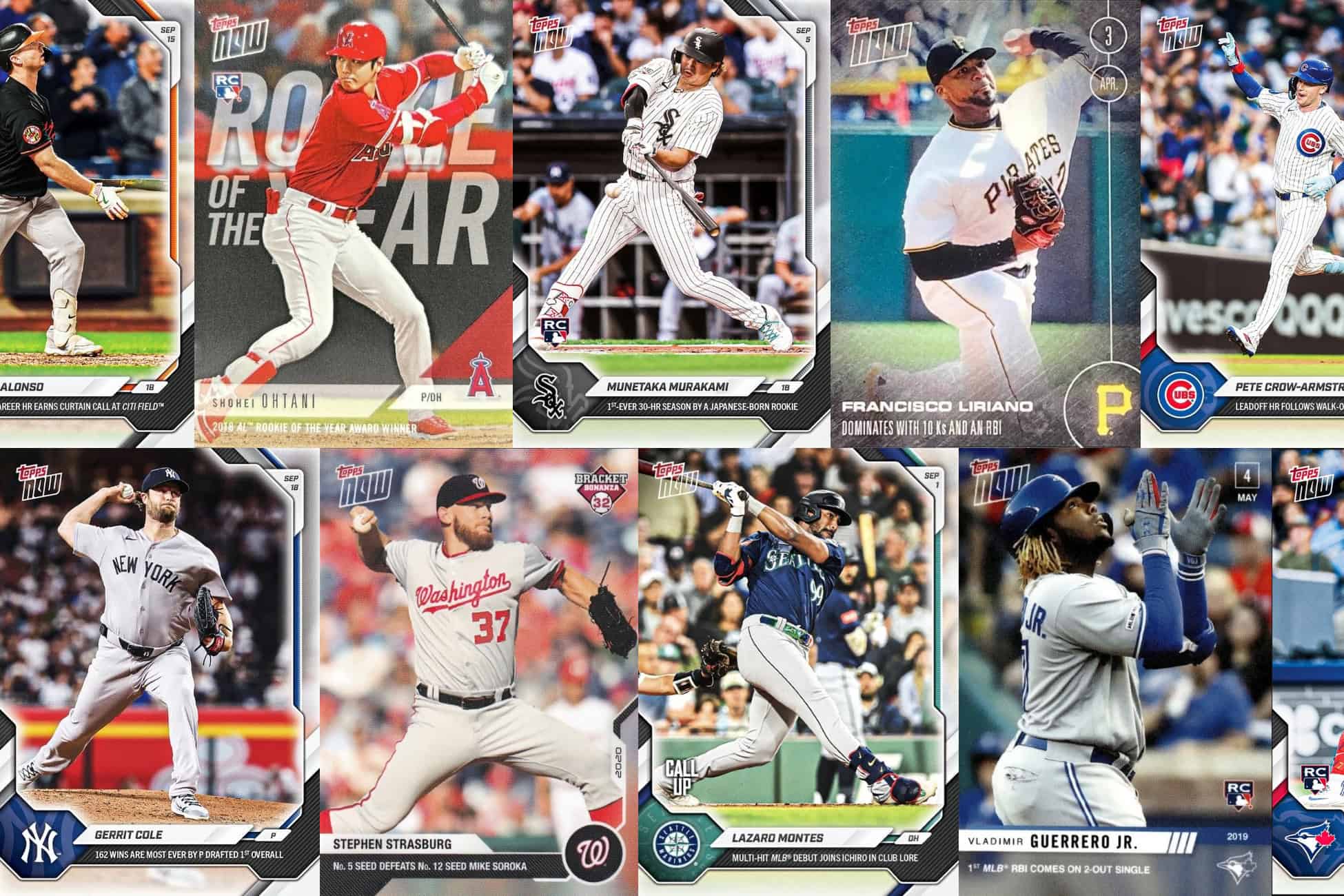
Every baseball season produces moments that fans talk about for years. A rookie homers in his first big league at-bat. A veteran chases a record. A champion raises a banner in front of a roaring crowd. Topps Now turns those moments into baseball cards within a day or two. Collectors can own a piece of history while the excitement is still fresh.
So, what is Topps Now? It is the official Topps print-to-order baseball card program. Topps creates a card for a notable MLB moment and opens a short ordering window. Then Topps prints exactly as many copies as collectors buy. Once the window closes, that card never returns. The final print run becomes a permanent number that anyone can look up.
That simple idea has grown into one of the most exciting corners of the hobby. Topps Now gives new collectors an easy way in. It gives team and player fans a running diary of the season. It also gives hit hunters a chase for parallels and autographs. Every release comes with a known moment and a known date, which makes each card easy to appreciate. This guide covers the history, the ordering process, the design, the parallels, and the cards that made headlines. It also shares practical tips to help you start collecting with confidence.
The History of Topps Now
From the 2015 World Series to Opening Day 2016
Topps Now grew out of a smaller experiment. During the 2015 World Series, Topps tested a few online-only, print-on-demand cards and saw strong interest. The company then built a full program around the idea. Topps Now launched on Opening Day 2016 with a bold goal. It would chronicle an entire baseball season, one moment at a time.
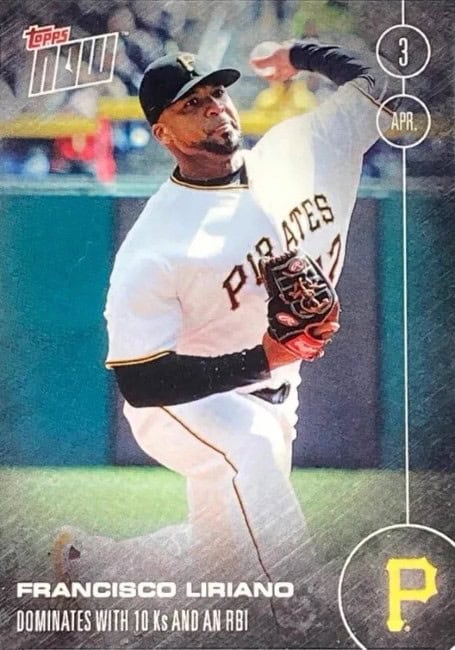
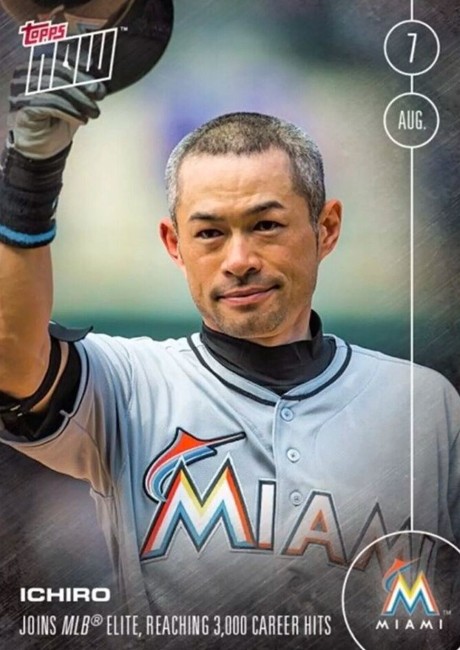
The first card honored Pittsburgh pitcher Francisco Liriano, who struck out 10 batters on Opening Day. Early cards cost $9.99 each with free shipping. Topps also offered discounts on bundles of five, ten and twenty. The program showed its reach right away. A card for Bartolo Colon’s first big league home run sold 8,826 copies. That August, a card for Ichiro Suzuki’s 3,000th hit sold 11,550. When the Cubs won the World Series that fall, Topps even stretched the ordering window to a full week.
A Decade of Growth
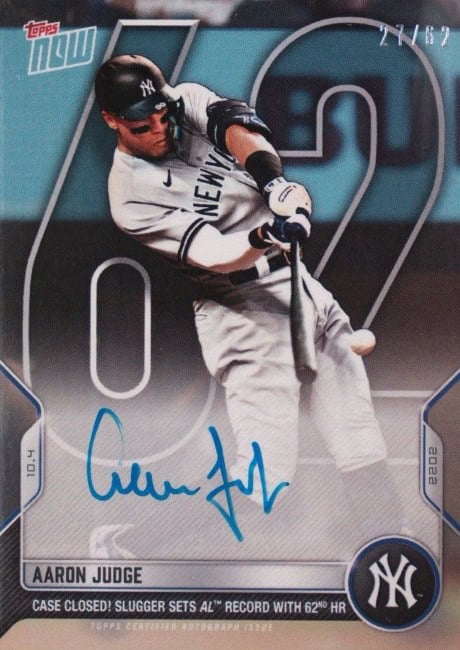
Print runs kept climbing. In 2022, Aaron Judge’s 62nd home run card sold 91,685 copies. That was the most in the program’s history at that point. That season, Topps printed 330,699 base cards across 112 regular-season releases. Judge’s five biggest cards made up more than half of them. Shohei Ohtani then pushed the numbers into new territory in 2024. In 2025, Topps introduced premium foil parallels and Chrome parallels that unlock as sales grow.
Fanatics acquired Topps in 2022 and now oversees the brand. Topps Now marked its tenth anniversary in 2026, and the baseball checklist had already reached card 686 by mid-September. Few products can say they have documented a full decade of baseball as it happened.
How Topps Now Works: Costs, Ordering and Fulfillment
Topps Now runs on a simple cycle. A notable moment happens on the field, and Topps releases a card, usually within a day or two. Here is how the process typically unfolds:
- Topps posts the new card on Topps.com.
- The ordering window opens, and collectors add the card to their carts. Many windows last as little as 24 hours.
- The window closes, and Topps locks the print run at the exact number sold.
- Topps prints the cards and ships them to buyers.
- Topps publishes the final print run in the Topps Now archive.
What It Costs
As of September 2026, a standard MLB Topps Now card lists at $8.99 on Topps.com. Prices have shifted over the years. Cards started at $9.99 in 2016. Some special releases, such as the 2024 Ohtani 50/50 card at $11.99, carried their own price tags. Topps also rewards bigger orders. Buyers get free shipping on two or more Topps Now cards when they choose Economy shipping. Bundle pricing has been part of the program since the start.
Printing and Delivery
Topps prints after the window closes, so cards ship following a short production period. Timing varies by release, so patience helps. All sales are final, and Topps never reprints a card once its window ends. Collectors who miss a window can still find cards on the secondary market. Prices there reflect the print run and the demand for that moment.
Design and Card Selection

The Look of a Topps Now Card
Topps Now cards put the photograph first. Each card pairs a dramatic action shot or celebration image with the player or team. A short headline describes what happened. The back typically recaps the moment in a brief paragraph. That gives each card the feel of a tiny newspaper clipping. Topps refreshes the look from season to season, so a card from 2016 looks different from one released in 2026.
Cards also carry a number that follows release order. Ohtani’s 2025 National League Championship Series card, for example, was number 884 for its season. That numbering turns the whole set into a season-long timeline. Collectors can follow the story from Opening Day through the postseason.
How Topps Chooses Moments
Topps decides which moments earn a card, and the choices lean toward things fans remember. Debuts, first home runs, milestones, no-hitters, walk-off wins, team records and championship celebrations all make the cut. The 2026 opening week shows the range. Cards honored Carson Benge’s home run in his Opening Day debut and Munetaka Murakami’s first big league homer. Others captured the Dodgers’ championship banner and rings, plus Clayton Kershaw’s ceremonial first pitch.
Some cards feature more than one subject. A 2025 release paired Ohtani and Judge. Another put Ohtani together with Japanese teammates Yoshinobu Yamamoto and Roki Sasaki. Team collectors love these releases because they tell a story that a single portrait cannot. Debut cards hold special appeal too. Collectors often treat them as some of a player’s earliest cards, so a first home run or first start can become a favorite piece.
Parallels and Odds
The Foil Parallel Ladder
Every standard 2026 Topps Now card has a foil parallel lineup. Topps introduced premium foil technology and a new numbering format in 2025. The ladder looks like this:
- Gold Foil, numbered to 50
- Orange Foil, numbered to 25
- Black Foil, numbered to 10
- Red Foil, numbered to 5
- FoilFractor, a true one-of-one
Select cards also come with short-printed photo variations. Other releases add autographs, relics or autographed relics. A few include inscribed one-of-one autographs.
Chrome Unlock Tiers
The Chrome chase adds another layer for the biggest releases. When a base card reaches certain print run levels, new Chrome parallels unlock. At 50,000 copies, Chrome parallels numbered to 99 and 50 appear. This one, at 100,000, lower-numbered Chrome parallels and a SuperFractor one-of-one join them. At 250,000, Opal Chrome parallels arrive. At 500,000, a one-of-one White OpalFractor Chrome unlocks. Collectors watch print runs closely for this reason. A surge in orders can create brand new chase cards.
How the Odds Work
Topps calls parallels, short prints, autographs and relics lucky hits. Any of them can replace a base card in your order. The odds depend on the total number of cards ordered, not the number of individual orders. Ordering ten cards gives you ten chances whether you place one order or several. Topps also sells some low-numbered autographs directly, so collectors can chase them without relying on luck.
Most Popular Topps Now Cards
Record-Setting Print Runs
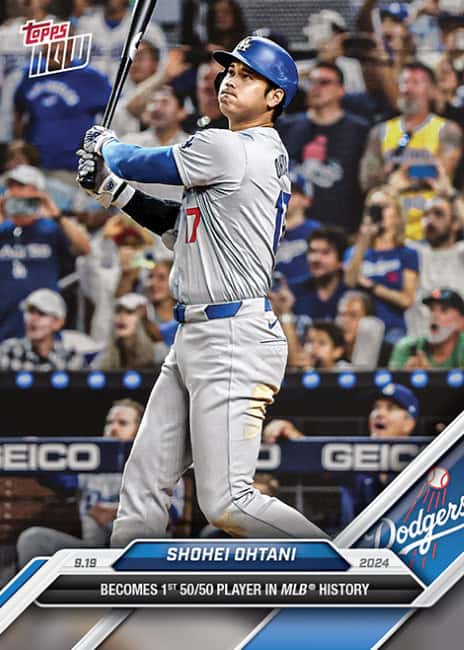
Shohei Ohtani owns the top of the leaderboard. His 2024 card celebrating the first 50-50 season sold 653,737 copies. That is the highest print run in the program’s history. The card also offered a chance at an autograph, which added to the excitement. His 2024 40-40 card sold 156,658 copies. A 2025 card for his three-homer, ten-strikeout playoff performance reached 253,309 and unlocked Opal Chrome parallels. His first hit and RBI as a Dodger drew 44,476 orders. The 2025 Tokyo Series card featuring Ohtani, Yamamoto and Sasaki reached 99,226 copies, just shy of the 100,000 mark.
Aaron Judge holds a special place too. His 62nd home run card sold 91,685 copies in 2022. The cards for his 60th and 61st homers drew 21,490 and 29,523 orders. Tribute cards pairing him with Roger Maris and Babe Ruth also sold well. Albert Pujols’ 700th career home run card added 28,898 copies that same year.
Early and Historic Cards
Not every popular card carries a giant print run. Collectors also chase the very first Topps Now card, the Liriano release from 2016. Other early cards from the testing phase draw interest too. Ohtani fans seek his December 2017 Angels introduction card. It carries an International FA Signing logo instead of a rookie logo. That makes it a fun piece of his early story.
Topps Now vs. Packs and Boxes
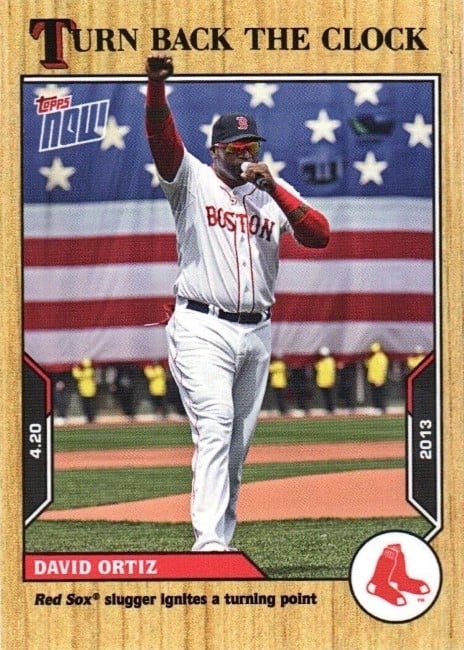
Topps Now sits beside the traditional products, and the two styles complement each other. Boxes and packs offer the fun of a rip. You never know what waits in the next pack. Topps Now offers a different thrill. You choose the exact moment, and you know what you are buying.
Price is part of the appeal. A 2026 Topps Chrome hobby box carried a presale price of $239.99, and it delivers 20 packs and a guaranteed autograph. A Topps Now single costs less than ten dollars. That low entry point makes the program a natural fit for new collectors, young fans and anyone who wants a card from one special game.
Scarcity works differently as well. In many box products, Topps sets parallel numbering ahead of time. In Topps Now, collectors set the print run themselves through their orders. That feature makes each release a small window into fan enthusiasm. Many collectors enjoy both styles, and they often use Topps Now to fill gaps that boxes leave behind. A player who debuted in September may not appear in a spring release, but a Topps Now card captures that arrival.
Grading and the Secondary Market

Topps Now cards have a lively life after the ordering window. Collectors trade and sell them on marketplaces, at card shows and through hobby shops. Because print runs are public, buyers can compare scarcity before they spend a dollar. Low-numbered parallels, autographs and cards from record-setting moments often draw the most attention.
Many collectors also send standout cards to grading companies such as PSA, Beckett and SGC. A graded card gets a sealed case and a condition score, which helps buyers understand what they are getting. Graders look closely at centering, corners, edges and surface. Affordable Topps Now singles make a great way to learn those basics. Many collectors keep their favorites ungraded, and that works well too. A binder page or display case lets you show off a full week of moments. Price guides list ungraded and graded values for Topps Now cards, and they update as sales come in.
If you plan to sell someday, keep the details that matter. Save your order confirmations, note each print run, and store cards in protective holders. That habit helps your collection stay organized and ready for any future trade.
Tips for Collecting Topps Now

Pick a Focus and Study the Archive
Start by choosing a focus. Some collectors follow a favorite player. Others build a team set or chase debut cards and milestone moments. A clear focus keeps your collection organized and your budget in check. Setting a monthly spending limit also helps, since a busy week can bring several must-have releases.
Next, use the Topps Now archive. It lists the exact print run of every card. You can compare a modest run of a few hundred with a run of tens of thousands. Lower runs offer scarcity. Higher runs often mark moments that captured the whole hobby’s attention. Both can be rewarding.
Order Smart and Protect Your Cards
Timing matters as well. Follow Topps on social media or check the site regularly during the season so you catch a window before it closes. Order two or more cards at once to unlock free Economy shipping. Remember that extra cards give you extra chances at a lucky hit.
Finally, protect what you buy. Use penny sleeves and top loaders for everyday cards. Consider one-touch cases for parallels and autographs. Store everything in a cool, dry place away from direct sunlight. Read the recap on the back of each card too. It gives you a quick reminder of why that moment mattered.
Conclusion

Topps Now brings the fast pace of the baseball season into the trading card hobby. Collectors order a card for a moment they just watched. Topps prints exactly what the hobby wants. The final print run tells the story of how many fans cared. Since 2016, that model has produced everything from small-run gems to the record-setting Ohtani 50-50 card. Along the way, it has given collectors a fresh reason to check the scoreboard every night.
For collectors, the takeaways are clear. Topps Now is affordable, easy to understand and packed with variety. It offers base cards, foil parallels, Chrome unlocks and autographs. Whether you collect a favorite star, a hometown team or the biggest milestones in the game, it gives you a flexible way to build a collection. With the 2026 postseason approaching, new cards will keep arriving, and each one adds another page to the season’s story. Visit the archive, pick a moment that means something to you, and enjoy the chase.