
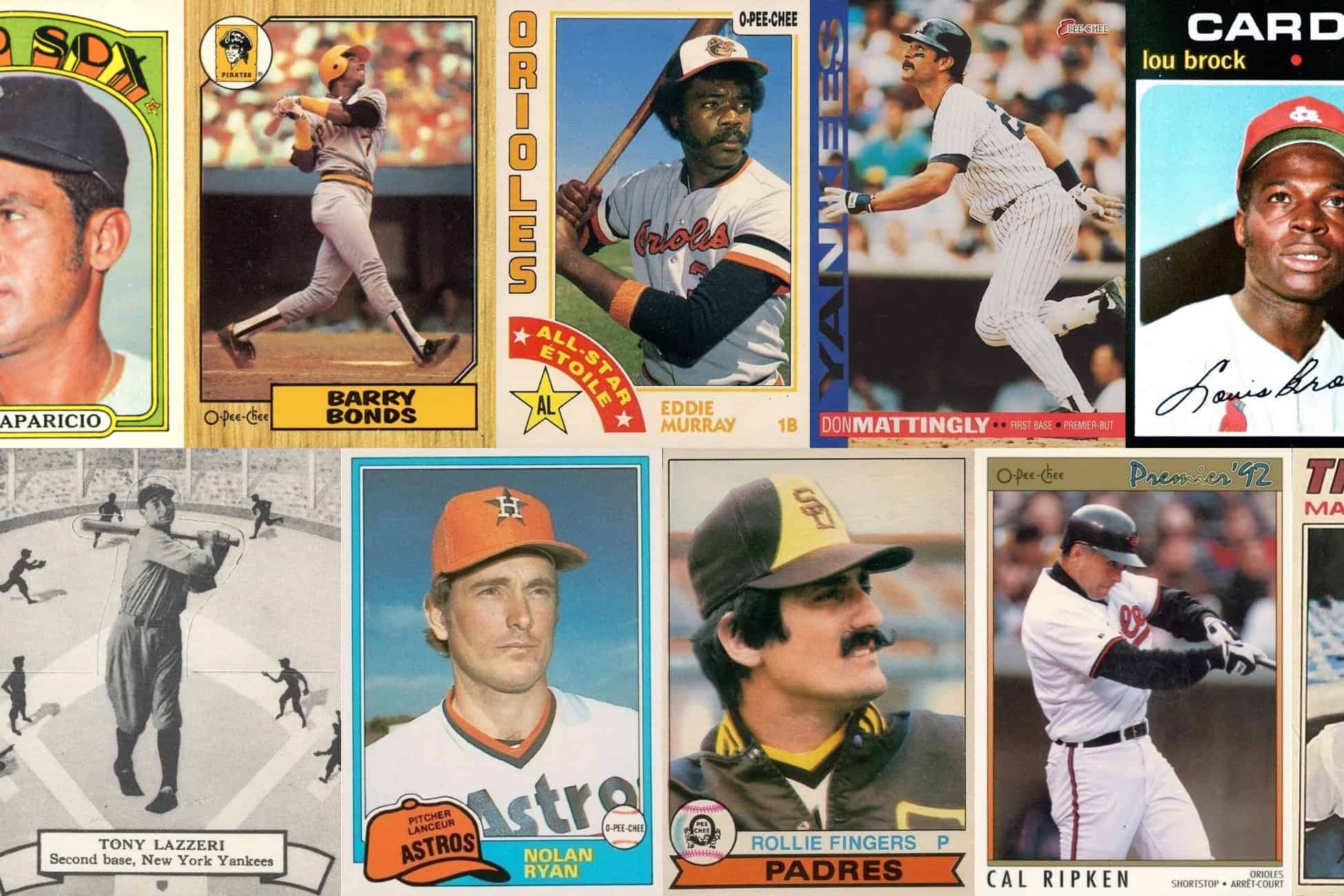

For decades, American collectors knew Topps as the king of baseball cards. But north of the border, another company produced its own versions of these iconic cards – and today, those O-Pee-Chee baseball cards have become some of the most intriguing items in the vintage card market. These Canadian-produced cards tell a fascinating story about international licensing, cultural differences, and the quirks that make certain variants more valuable than their mainstream counterparts.
O-Pee-Chee baseball cards represent a unique chapter in sports card history. From 1965 to 1992, this Canadian company produced cards that looked similar to Topps issues but featured distinct differences that collectors now prize. Whether you are building a vintage collection or exploring investment opportunities, understanding O-Pee-Chee cards opens up a parallel universe of baseball card collecting that many modern fans have never explored.
This guide will walk you through everything you need to know about O-Pee-Chee – from their origins as a Canadian candy company to their current status as sought-after collectibles. You will learn what makes these cards different from their Topps counterparts, why some command premium prices, and how to spot the key variations that serious collectors pursue.
What Are O-Pee-Chee Baseball Cards?
O-Pee-Chee baseball cards were Canadian versions of Topps baseball cards, produced under license for distribution primarily in Canada. The name comes from the O-Pee-Chee Company, a Canadian confectionery manufacturer based in London, Ontario, that began producing trading cards in the 1930s. While the company made various types of cards over the years, their baseball card run from 1965 to 1992 has become their most remembered legacy.
The O-Pee-Chee Company had a licensing agreement with Topps that allowed them to produce these Canadian versions. This arrangement was common in the era before globalization made card distribution simpler. Canadian kids bought O-Pee-Chee packs at corner stores just as American kids bought Topps, often without realizing they held something that would become distinctly collectible decades later.
The Origins: How O-Pee-Chee Entered Baseball
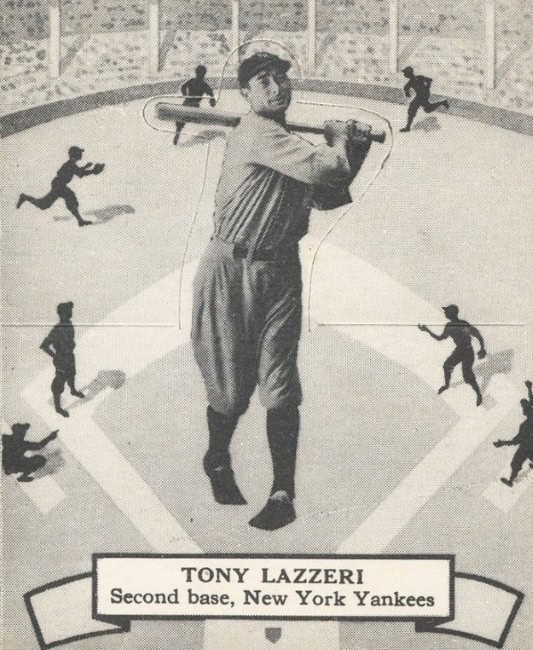
The O-Pee-Chee Company started in 1911 as a chewing gum and candy manufacturer. The name itself came from the Ojibwe word for the robin, reflecting the company’s Canadian roots. Like many confectionery companies of the early 20th century, O-Pee-Chee discovered that including trading cards with their products boosted sales. They produced hockey cards as early as the 1930s, which made sense given Canada’s passion for the sport.
Baseball cards came later to O-Pee-Chee’s lineup. In 1965, the company began producing baseball cards under license from Topps, joining their existing hockey card production. This timing coincided with Major League Baseball’s expansion and growing international presence. Canadian fans followed American baseball closely, particularly the Montreal Expos (who would join MLB in 1969) and players with Canadian connections.
The partnership with Topps made business sense for both companies. Topps gained a licensed partner to handle the Canadian market without managing separate distribution networks. O-Pee-Chee gained access to Topps’ designs and photography while serving their home market. This relationship would continue for nearly three decades, creating a parallel collecting universe that exists alongside mainstream Topps cards.
O-Pee-Chee vs.Topps Cards
Visual and Physical Distinctions
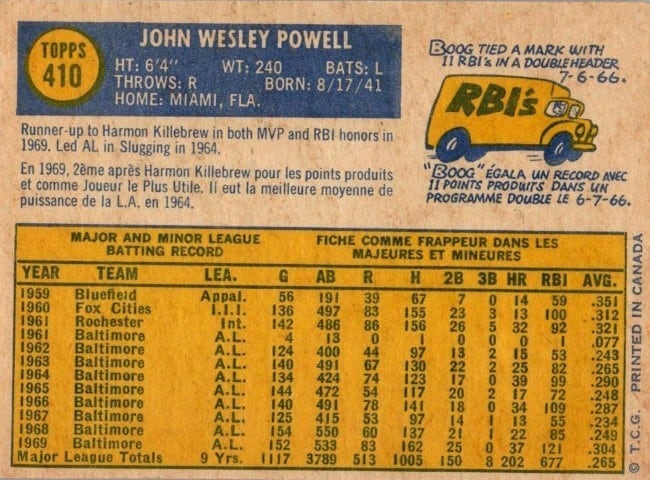
The most obvious difference in O-Pee-Chee baseball cards appears on the backs. While Topps cards featured English text only, O-Pee-Chee cards included both English and French. This bilingual approach created a denser, more text-heavy appearance on card backs. Statistics, biographical information, and the card number all appeared in both languages, giving the backs a distinctly Canadian identity.
Card stock differences provide another way to distinguish O-Pee-Chee from Topps. O-Pee-Chee typically used a grayer, less glossy cardstock. The cards often feel rougher to the touch and lack the smooth finish of Topps cards from the same era. These production differences resulted from O-Pee-Chee using different suppliers and printing facilities in Canada rather than Topps’ American operations.
Print quality varies between the two manufacturers. O-Pee-Chee cards sometimes show less vibrant colors, different color registration, or variations in photo clarity compared to Topps. These differences were not necessarily defects but rather the natural result of different printing equipment and processes. Some collectors actually prefer the O-Pee-Chee printing variations for their distinctiveness.
Content and Set Differences
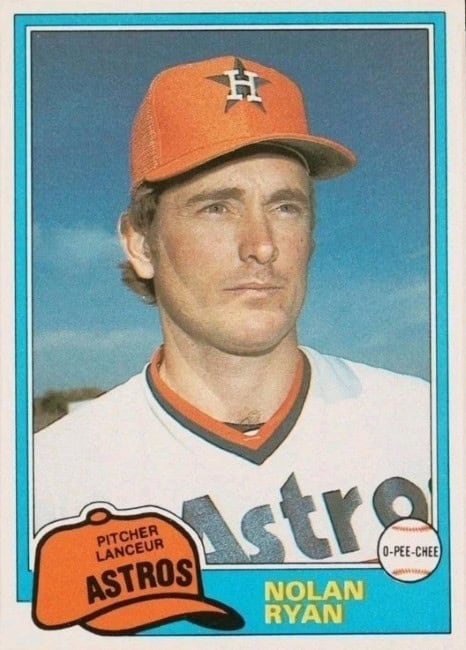
O-Pee-Chee sets did not always match Topps sets card-for-card. In many years, particularly the 1970s and 1980s, O-Pee-Chee produced smaller sets than Topps. For example, while Topps might issue a 792-card set, O-Pee-Chee might stop at 396 cards. This meant certain Topps cards simply do not exist in O-Pee-Chee versions, creating interesting gaps for collectors pursuing both versions.
The Canadian company also made strategic choices about which cards to include. They often omitted the more expensive insert cards, special subsets, or manager cards that Topps included. This selective approach kept production costs manageable while focusing on the most popular players that Canadian collectors wanted. As a result, some Topps cards that are common in American collections do not exist in O-Pee-Chee versions.
In later years, O-Pee-Chee occasionally included cards of Canadian players or updated team information that differed from Topps versions. These unique cards, though relatively rare, represent some of the most interesting O-Pee-Chee issues for collectors who prize variations and one-of-a-kind items.
Golden Era: 1970s and 1980s O-Pee-Chee
Why These Years Matter Most
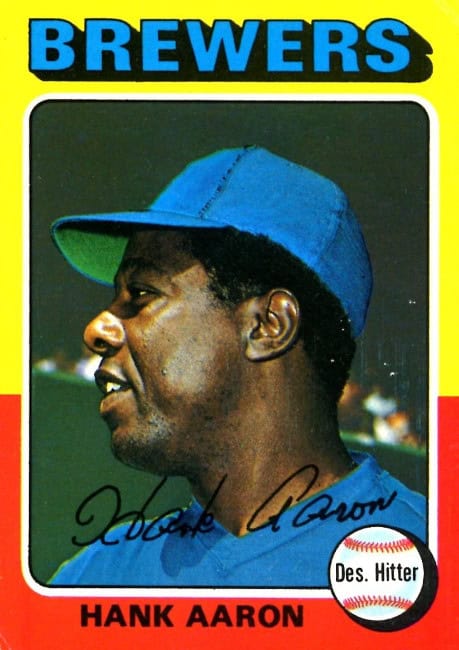
The 1970s and 1980s represent the peak of O-Pee-Chee baseball card production and collector interest. During this period, O-Pee-Chee produced consistent annual sets that paralleled Topps’ mainstream issues. The company had refined its production process, creating cards that, while distinctly Canadian, maintained reasonable quality standards. Kids across Canada ripped open packs, and many of these cards survived in attics and basements.
Several factors make this era particularly significant. First, these years include rookie cards of some of baseball’s greatest players. When you find an O-Pee-Chee version of a Hall of Famer’s rookie card, you have discovered something scarcer than the Topps version. Second, the condition challenges of O-Pee-Chee cards from this era – their rougher stock and lower print runs – make high-grade examples genuinely difficult to find.
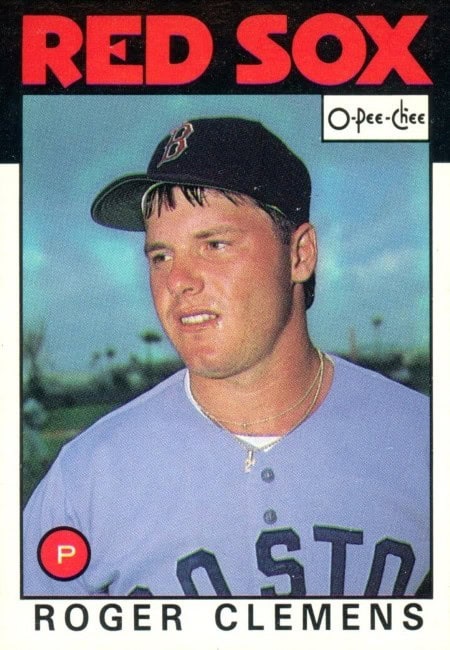
The 1970s O-Pee-Chee sets feature the distinctive designs of that decade, from the bold borders to the position-specific color schemes. The 1980s issues captured stars like Cal Ripken Jr., Tony Gwynn, and Roger Clemens in their rookie cards. These O-Pee-Chee cards represent a tangible link to Canadian baseball fandom during an era when the Montreal Expos competed and Toronto would soon get the Blue Jays.
Notable Cards and Sets
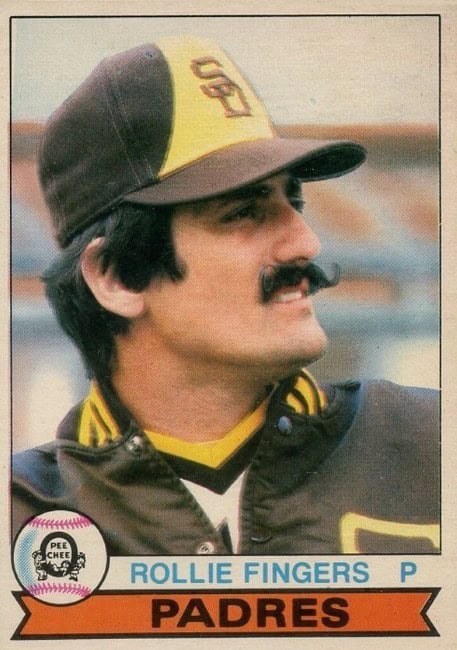
The 1979 O-Pee-Chee set stands out for including Ozzie Smith’s rookie card, which commands significant premiums over the Topps version. The 1982 set features Cal Ripken Jr.’s rookie card, another highly sought-after O-Pee-Chee issue. Both cards demonstrate how O-Pee-Chee versions of key rookie cards can exceed their Topps counterparts in value due to scarcity.
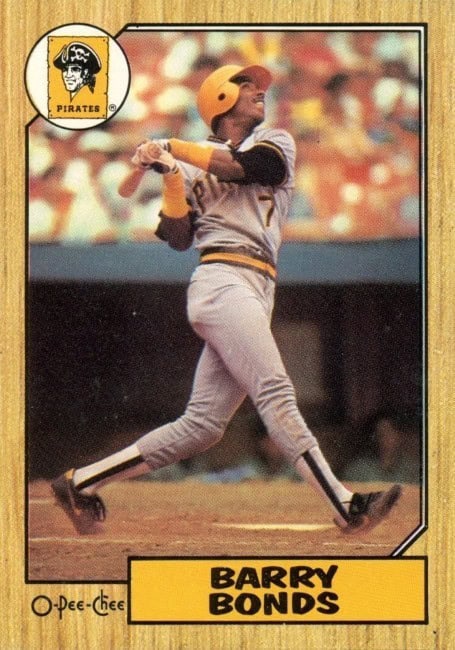
The 1984 O-Pee-Chee set included several notable rookies and stars from that era. Don Mattingly’s second-year card and Darryl Strawberry’s rookie card both appear in this set. Cards from the mid-1980s often survived in better condition than earlier O-Pee-Chee issues, making them more accessible to collectors while still offering the distinctive O-Pee-Chee characteristics.
Some of the most interesting O-Pee-Chee cards from this period feature printing variations or errors that do not appear on Topps versions. These variations, whether intentional or accidental, create subcategories within sets that advanced collectors pursue. The scarcity of information about some of these variations adds an element of discovery to O-Pee-Chee collecting.
Decline and End: Late 1980s to 1992
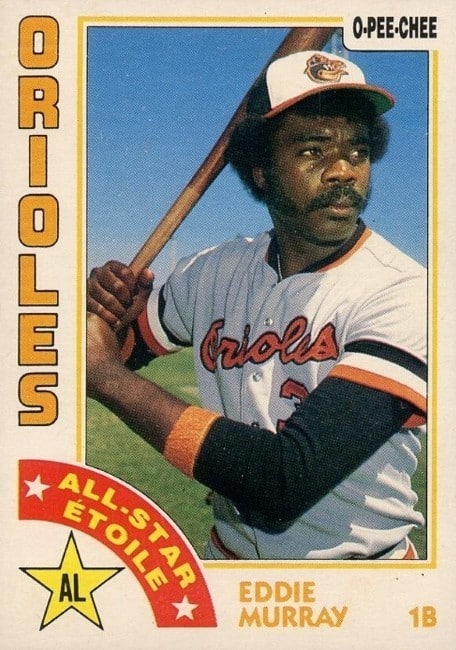
As the 1980s progressed, the baseball card market changed dramatically. New manufacturers like Fleer and Donruss entered the market, ending Topps’ monopoly. The card market became saturated with competing products, and the simple pack-and-gum model that sustained O-Pee-Chee for decades seemed increasingly outdated. Canadian collectors gained access to more American products, reducing the distinct market that O-Pee-Chee served.
Production quality issues became more apparent in O-Pee-Chee’s later sets. The 1991 and 1992 O-Pee-Chee baseball cards showed declining print quality and less attention to detail. These sets lack the charm of earlier issues and generally command less collector interest today. The cards felt like afterthoughts in a market that had moved beyond the traditional model.
O-Pee-Chee ceased baseball card production after 1992. The company itself would eventually be acquired by Nestle, and while the O-Pee-Chee name continued on hockey card products for several more years, baseball cards ended. This conclusion marked the end of an era in Canadian sports card production and left collectors with a finite, well-defined collecting category that spans just 28 years.
Where Are They Now?
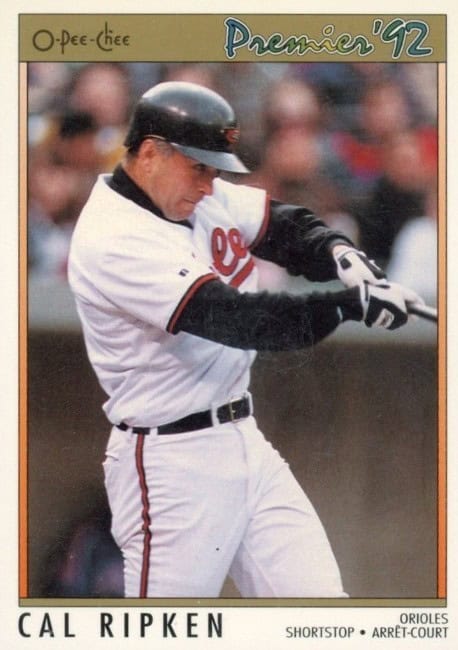
O-Pee-Chee baseball cards occupy a unique niche in today’s collecting market. They appeal to several distinct collector groups: vintage card enthusiasts who appreciate the historical significance, variation collectors who pursue all versions of specific cards, and Canadian collectors who value the cultural connection. This multi-faceted appeal keeps demand steady even as the broader vintage card market fluctuates.
The grading services – PSA, SGC, and Beckett – recognize and label O-Pee-Chee cards properly. This professionalization has helped establish consistent pricing and authentication standards. High-grade O-Pee-Chee examples, particularly of key rookie cards, have sold for impressive prices at auction. The population reports from grading companies show how much scarcer mint-condition O-Pee-Chee cards are compared to Topps versions.
Building an O-Pee-Chee collection today requires patience. While common cards are relatively affordable and available, key rookie cards in high grades prove challenging to find. The rougher cardstock used by O-Pee-Chee means that cards in pristine condition are genuinely scarce. Collectors who pursue O-Pee-Chee sets discover that completing them requires dedication and strategic hunting.
Today’s Topps vs. O-Pee-Chee Prices
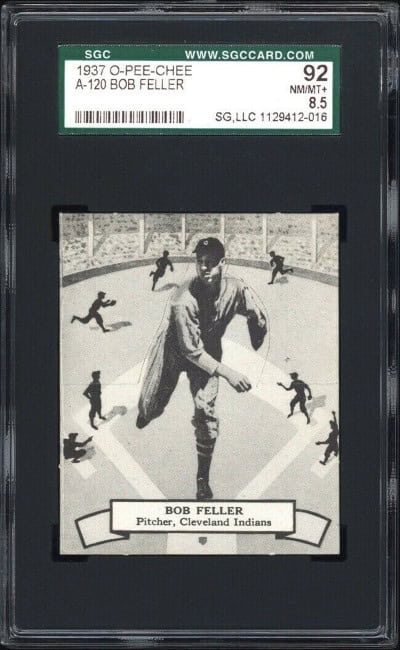
For most common cards, O-Pee-Chee versions sell for slightly less than their Topps counterparts. A typical 1970s or 1980s common card in mid-grade condition might sell for 50-70% of the Topps version’s price. This discount reflects the smaller collector base and lower demand for O-Pee-Chee cards among mainstream collectors. However, this general rule has many important exceptions.
Key rookie cards and Hall of Famers often command premiums in O-Pee-Chee versions. The 1979 O-Pee-Chee Ozzie Smith rookie card, for example, typically sells for 150-200% of the Topps version’s price in comparable grades. The scarcity of high-grade O-Pee-Chee examples drives these premiums. When a card is both important and scarce in top condition, O-Pee-Chee versions become more valuable than Topps.
The condition sensitivity of O-Pee-Chee cards affects valuations significantly. A PSA 8 O-Pee-Chee card might command a strong premium because so few examples grade that high, while lower-grade versions remain affordable. This creates an interesting value curve where the price gap between grades is often steeper for O-Pee-Chee than for Topps cards.
Specific Examples and Case Studies
The 1982 O-Pee-Chee Cal Ripken Jr. rookie card illustrates the value dynamics well. In PSA 10 condition, O-Pee-Chee versions have sold for $5,000-$8,000, while comparable Topps versions might bring $3,000-$4,000. The population reports show why: PSA has graded roughly ten times more Topps versions than O-Pee-Chee versions in gem mint condition. Scarcity drives the premium.
Conversely, the 1985 O-Pee-Chee Roger Clemens rookie card typically sells for less than the Topps version despite similar scarcity patterns. This discrepancy likely reflects collector preference and perception – some rookies carry more cachet in certain versions. Market dynamics for specific cards can defy general patterns, making O-Pee-Chee collecting both challenging and potentially rewarding.
Common stars from the 1970s like Johnny Bench, Reggie Jackson, or Mike Schmidt generally sell for 60-80% of Topps values in O-Pee-Chee versions. These cards are collectible but not scarce enough to command premiums. For set builders or player collectors, O-Pee-Chee versions offer an affordable alternative with unique characteristics. The bilingual backs add interest without significantly increasing cost.
Investment Considerations
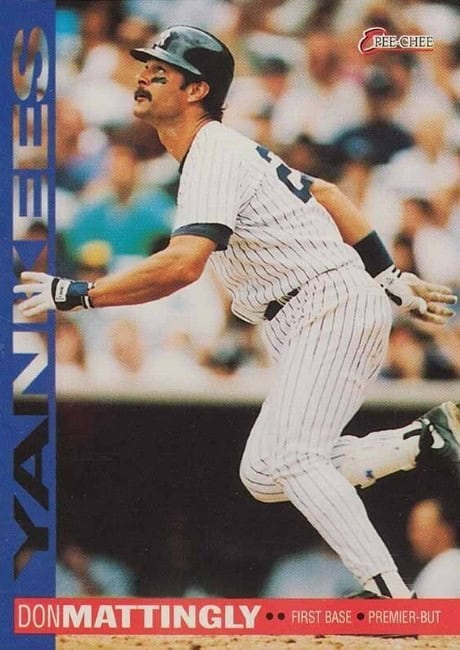
O-Pee-Chee baseball cards present interesting opportunities for collectors who think strategically. The cards remain undervalued compared to Topps in many cases, particularly for mid-grade examples of key cards. As the hobby matures and collectors seek variations and alternatives to mainstream issues, O-Pee-Chee cards could appreciate. The finite production run and Canadian cultural significance provide a foundation for long-term value.
However, liquidity concerns exist. O-Pee-Chee cards typically take longer to sell than equivalent Topps cards. The smaller collector base means fewer potential buyers at any given time. Collectors should view O-Pee-Chee cards as longer-term holdings rather than quick flips. The market for these cards rewards patience and knowledge rather than speculation.
The grading population trends suggest that high-grade O-Pee-Chee cards will remain scarce. The cardstock simply does not survive in pristine condition as readily as Topps cards. For collectors willing to pursue condition rarities, O-Pee-Chee cards offer genuine scarcity that the market increasingly recognizes and rewards.
The Canadian Cultural Connection
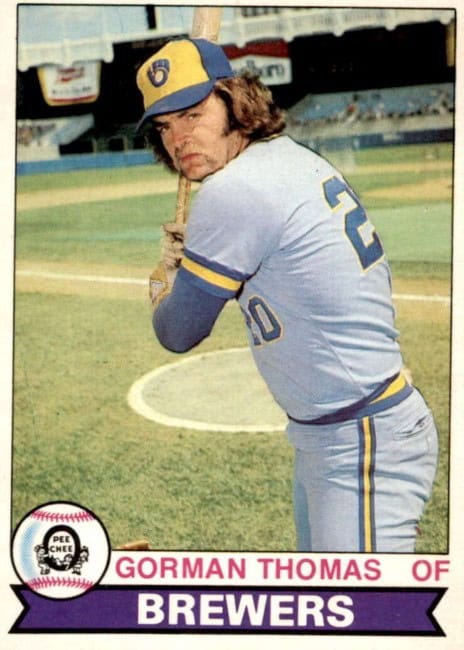
O-Pee-Chee baseball cards represent more than just a variation for collectors – they embody Canadian participation in baseball’s golden era. During the years O-Pee-Chee produced these cards, Canadian baseball fandom grew significantly. The Montreal Expos joined MLB in 1969 and developed a passionate following. The Toronto Blue Jays arrived in 1977 and would eventually win back-to-back World Series in 1992-1993.
Canadian kids who collected O-Pee-Chee cards in the 1970s and 1980s experienced baseball through a distinctly Canadian lens. The bilingual card backs reflected Canada’s linguistic duality. The cards came from a Canadian company, purchased at Canadian stores, often depicting players Canadian fans followed on Canadian broadcasts. This cultural context makes O-Pee-Chee cards meaningful beyond their scarcity or investment potential.
Today, Canadian collectors often pursue O-Pee-Chee cards with particular enthusiasm. These cards connect to childhood memories and Canadian sporting heritage. The cards remind collectors of a time when Canadian companies produced unique products for the Canadian market rather than simply importing American versions. This cultural dimension adds depth to O-Pee-Chee collecting that transcends typical market dynamics.
Conclusion
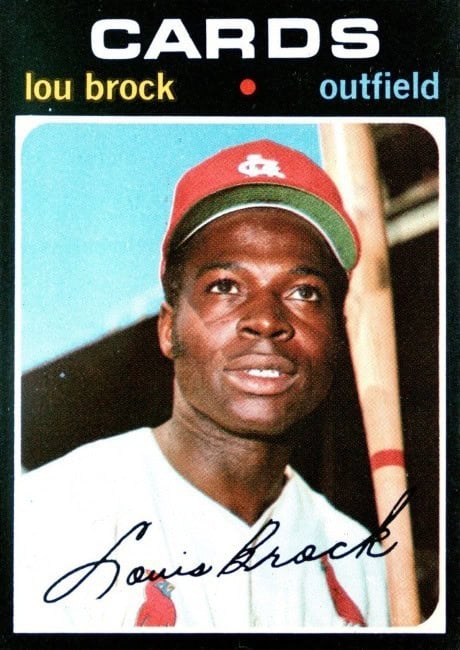
O-Pee-Chee baseball cards occupy a fascinating space in collecting history. They served Canadian fans for nearly three decades, producing parallel versions of iconic Topps sets with distinctive characteristics. The bilingual backs, different cardstock, and printing variations make these cards immediately recognizable. The smaller production runs and condition challenges create genuine scarcity, particularly for high-grade examples. For collectors, O-Pee-Chee represents both an alternative to mainstream Topps cards and a connection to Canadian baseball culture.
The market for O-Pee-Chee baseball cards has matured significantly in recent years. Grading services properly authenticate and label these cards. Online marketplaces have increased accessibility and price transparency. Collectors increasingly recognize that certain O-Pee-Chee cards, particularly key rookies in top grades, are genuinely rare and valuable. The days when dealers dismissed O-Pee-Chee cards as inferior versions have passed, replaced by nuanced understanding of their place in the hobby.
Whether you collect O-Pee-Chee cards for investment potential, set-building challenges, or cultural connection, these cards reward knowledge and patience. The finite 1965-1992 run creates clear parameters for collectors. The distinctive characteristics make building an O-Pee-Chee collection feel different from pursuing standard Topps sets. As the vintage card market continues evolving, O-Pee-Chee baseball cards stand as a reminder that the hobby encompasses much more than the mainstream issues most collectors know. These Canadian cards tell their own story, and that story deserves appreciation from anyone who values the rich history of baseball cards.
