
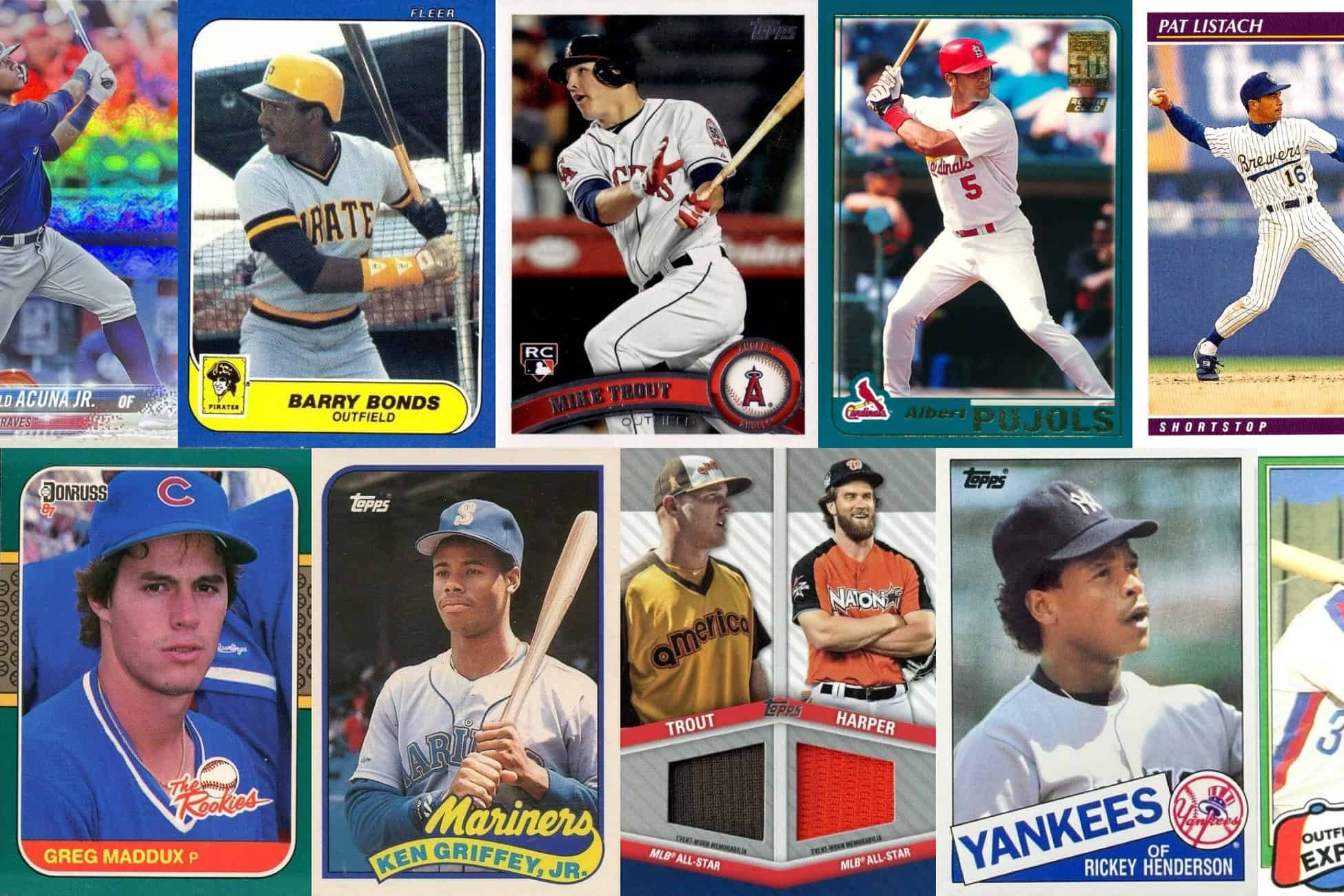
Baseball has always had a special way of passing itself down from one generation to the next. Whether it’s a catch in the backyard or a trip to the ballpark, the memories stick. Baseball card collecting works the same way. It gives kids a physical connection to the game they love – something to hold, study, organize, and get genuinely excited about. If you’ve been thinking about introducing a child to the hobby, there’s never been a better time to start.
The hobby has experienced an extraordinary revival in recent years, and it isn’t just adults who are taking notice. Young collectors are jumping in and finding that the thrill of opening a pack, pulling a favorite player, and building a personal collection offers something that screen time simply can’t replicate. It sharpens focus, teaches organization, builds math skills through values and statistics, and creates a genuine passion for baseball.
This guide walks you through everything you need to know to get a kid started – from why the hobby matters to which types of cards spark the most excitement and what basic supplies will set them up for success.
Baseball Cards and a Love for the Game
There’s a reason so many adult collectors trace their baseball fandom directly back to their first pack of cards. When a child holds a card featuring their favorite player, they want to know more. They start reading the stats on the back. Then they follow that player’s season more closely. Then they begin to understand the game on a deeper level because they have a personal stake in it.
Cards create context. A kid who might tune out during a broadcast will perk up fast when a player from their collection steps to the plate. Collecting naturally leads to conversations about history, records, teams, and rivalries. Before long, you have a child who can tell you the difference between a batting average and an on-base percentage – and actually cares about both.
The hobby also teaches patience and the joy of the hunt. Building a collection takes time. Learning which cards matter and why develops critical thinking. And the simple act of keeping cards organized and protected introduces responsibility in a way that feels fun rather than like a chore.
Who Is Collecting Cards Today
The trading card hobby has grown into something far bigger than most people realize, and younger collectors are a meaningful part of that picture.
The Numbers Are Encouraging
Juvenile collectors represent roughly 33% of the global trading card market, engaging primarily in entry-level packs and character-based series. Kids aged 7 to 15 years contribute significantly to franchise growth, with over 120 million youth collectors participating worldwide. That’s a staggering number of young people engaged in the hobby at some level.
The sports trading card market was valued at approximately $7.43 billion in 2024 and is expected to nearly double to $15.84 billion by 2034. Part of that growth comes directly from the next generation of collectors discovering the hobby for the first time.
Young Fans Are Already Engaged
Youth baseball participation in the United States currently sits at 8.2 million players between the ages of 6 and 18. That’s a massive built-in audience of kids who already love the game and are primed to connect with collecting. Cards give those young players – and their fans – a way to engage with baseball beyond the field.
Card shows are more popular than ever and are driving newcomer interest, and that includes younger attendees who are discovering the hobby through family visits to local shows and dedicated card shops.
The Top 5 Types of Cards That Hook Young Collectors
Not every card is equally exciting to a new collector, especially a young one. These five categories tend to generate the most enthusiasm and give kids a reason to stay engaged with their collection.
1. Rookie Cards
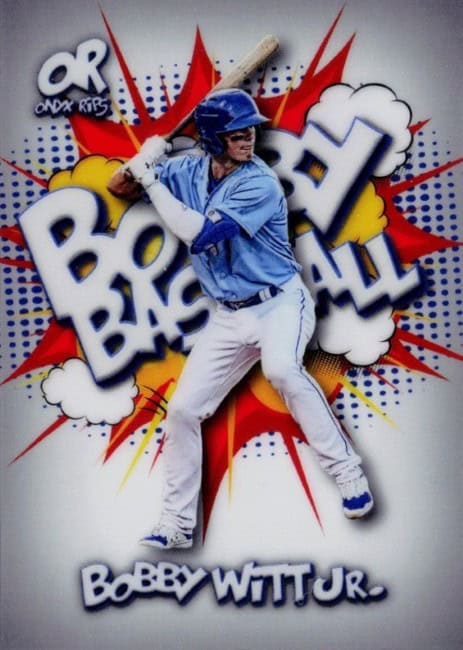
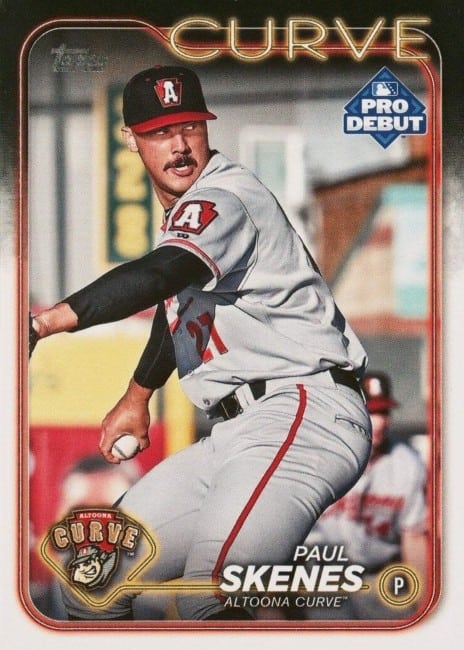
Rookie cards are the gateway to baseball card collecting, and for good reason. When a kid is following a young star and picks up that player’s rookie card, it creates an instant emotional attachment. Players like Paul Skenes, Bobby Witt Jr., and Elly De La Cruz have energized a generation of young fans – and their rookie cards are affordable, recognizable, and genuinely exciting to own.
2. Parallel Cards
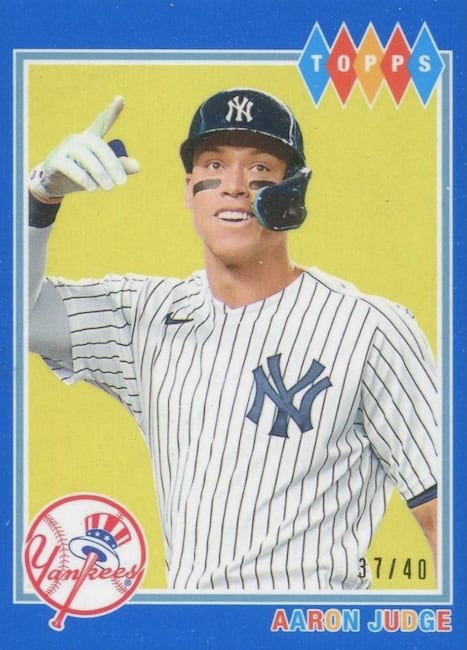
Parallels are versions of a standard base card that feature a different color border, foil treatment, or special finish. They’re visually striking, which kids love. Pulling a gold or chrome parallel of a favorite player out of a pack feels like finding something rare even when the card is modestly priced. Current Topps sets feature a wide array of parallels, including iconic gold parallels, rainbow foils, and various colored holo foils available in retail formats. That variety keeps things fresh and gives kids something to chase.
3. Insert Cards
Inserts are special cards mixed into packs that aren’t part of the main base set. They often feature unique artwork, themed designs, or spotlights on award winners and historic moments. Insert cards often feature unique designs focused on specific themes like award winners, historical moments, or artistic renderings. Kids who love creative or artistic design tend to gravitate toward inserts, and they make excellent centerpieces for a growing collection.
4. Favorite Team Cards
Encouraging a child to build a team collection is one of the best ways to sustain long-term interest. When every card connects to something they already care about – their hometown team, their Little League heroes, their favorite players – the collection feels personal. Set a goal to collect every player on the current roster and watch the motivation follow.
5. Base Cards from Current Sets
Don’t overlook the humble base card. Current-year Topps Series 1 and Series 2 sets are perfect for young collectors because they’re inexpensive, widely available, and feature every team in baseball. A pack of base cards is a low-stakes, high-fun introduction to the hobby that won’t stress out a parent’s wallet.
Essential Supplies to Get Started
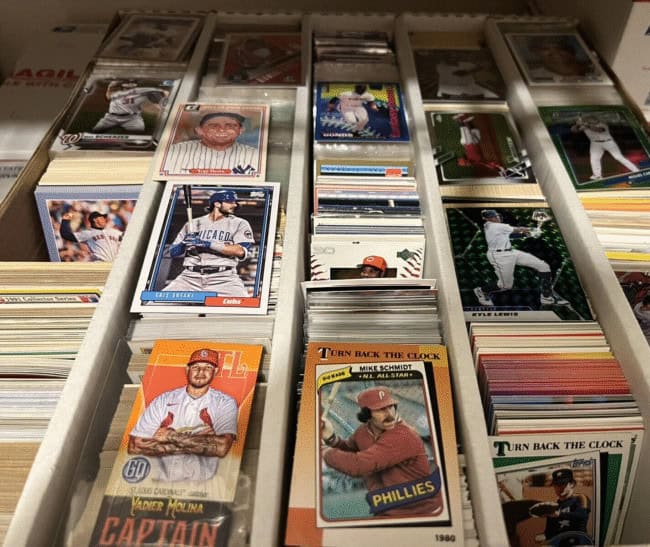
One of the best things about starting a kid in this hobby is that you don’t need much to get going. A few key supplies will protect the collection and make organizing it feel like part of the fun.
The Basics: Binders and Pages
A three-ring binder loaded with nine-pocket plastic pages is the foundation of almost every beginner’s collection. Cards slot in easily, stay visible, and can be rearranged whenever a kid wants to reorganize by team, player, or favorite card. Binders are affordable – usually just a few dollars – and nine-pocket pages are easy to find at card shops, hobby stores, and online. Starting with one binder gives the collection a home and teaches kids to take care of what they own.
Storage Boxes
When the binder starts to fill up, a simple storage box is the next step. These long boxes hold hundreds of cards in protective sleeves and are perfect for overflow, doubles, or cards the child wants to trade. They stack easily and keep everything organized without taking up much space.
Penny Sleeves and Top Loaders
For cards a kid really loves – a great parallel, a favorite player, or anything that feels special – penny sleeves and rigid top loaders provide an extra layer of protection. Penny sleeves are thin plastic sleeves that slide over individual cards. Top loaders are the rigid plastic holders you’ve probably seen at card shops. Teaching a child to use these early builds good habits that will serve them well as their collection grows.
Consider a Subscription Box
One supply source worth highlighting is the baseball card subscription box. Several services curate and ship cards on a monthly basis, often with a theme, a guaranteed number of cards, or a focus on specific players and teams. For a young collector, receiving a box in the mail each month adds a recurring moment of excitement that keeps enthusiasm high between trips to the card shop. Many subscription services offer beginner-friendly tiers at accessible price points, making them a practical gift idea for birthdays or holidays. They also introduce kids to a wider range of sets and card types than they might discover on their own.
Tips for Keeping Kids Engaged Over Time
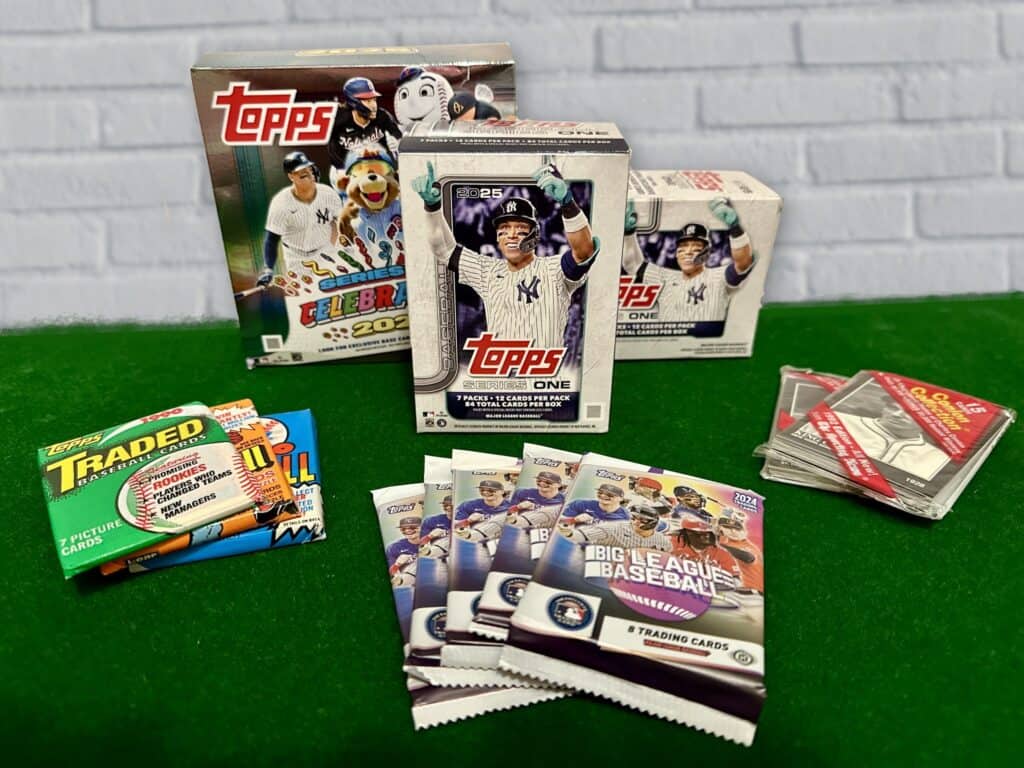
Getting started is easy. The real goal is helping a child find lasting enjoyment in the hobby. A few simple approaches can make a big difference.
Let the child lead. If they want to focus on one team or one player, support that. A collection built around personal passion is far more motivating than one built to someone else’s standards.
Attend a local card show together. Shows are low-pressure, family-friendly environments where kids can browse, ask questions, and see the full scope of the hobby. Many dealers are happy to chat with young collectors and point them toward affordable finds.
Open packs together. The shared experience of cracking a pack and reacting to what comes out is genuinely fun for all ages. A subscription box arriving in the mail each month can replicate that same excitement on a regular schedule, making it easy to keep the energy alive even between card shop visits.
Connect cards to real games. When a child pulls a card of a player, look up that player’s recent stats together. Watch a highlight. Check if there’s a game on. The card becomes a doorway into the game itself.
Conclusion
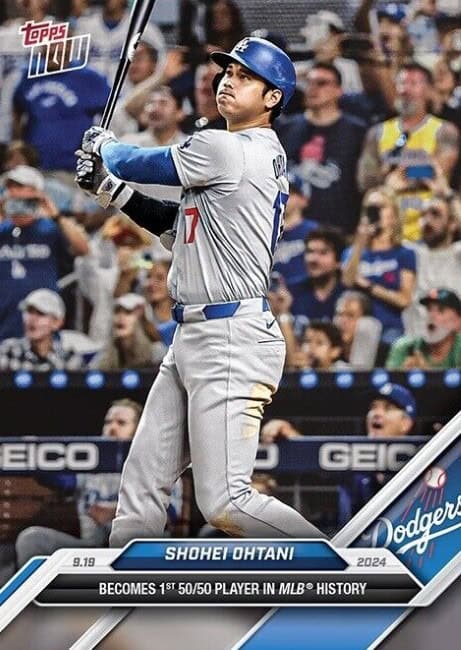
Getting a kid into baseball card collecting is one of the most natural ways to share a love of the game. It builds enthusiasm for baseball, develops organizational habits, and creates a hobby that can grow with them for decades. The barrier to entry is low, the rewards are high, and the memories made along the way – the pack openings, the card show trips, the monthly subscription box arriving at the door – tend to last a lifetime.
Start simple. A few packs of current Topps, a binder, and some nine-pocket pages are all it takes to open the door. A subscription box can add a reliable dose of excitement once the bug has bitten. From there, let curiosity take over. The hobby has a remarkable way of teaching itself once a child is genuinely hooked.
The next generation of collectors is already out there, pulling parallels and organizing binders and cheering for their favorite players with a little extra investment. There’s plenty of room for one more.