
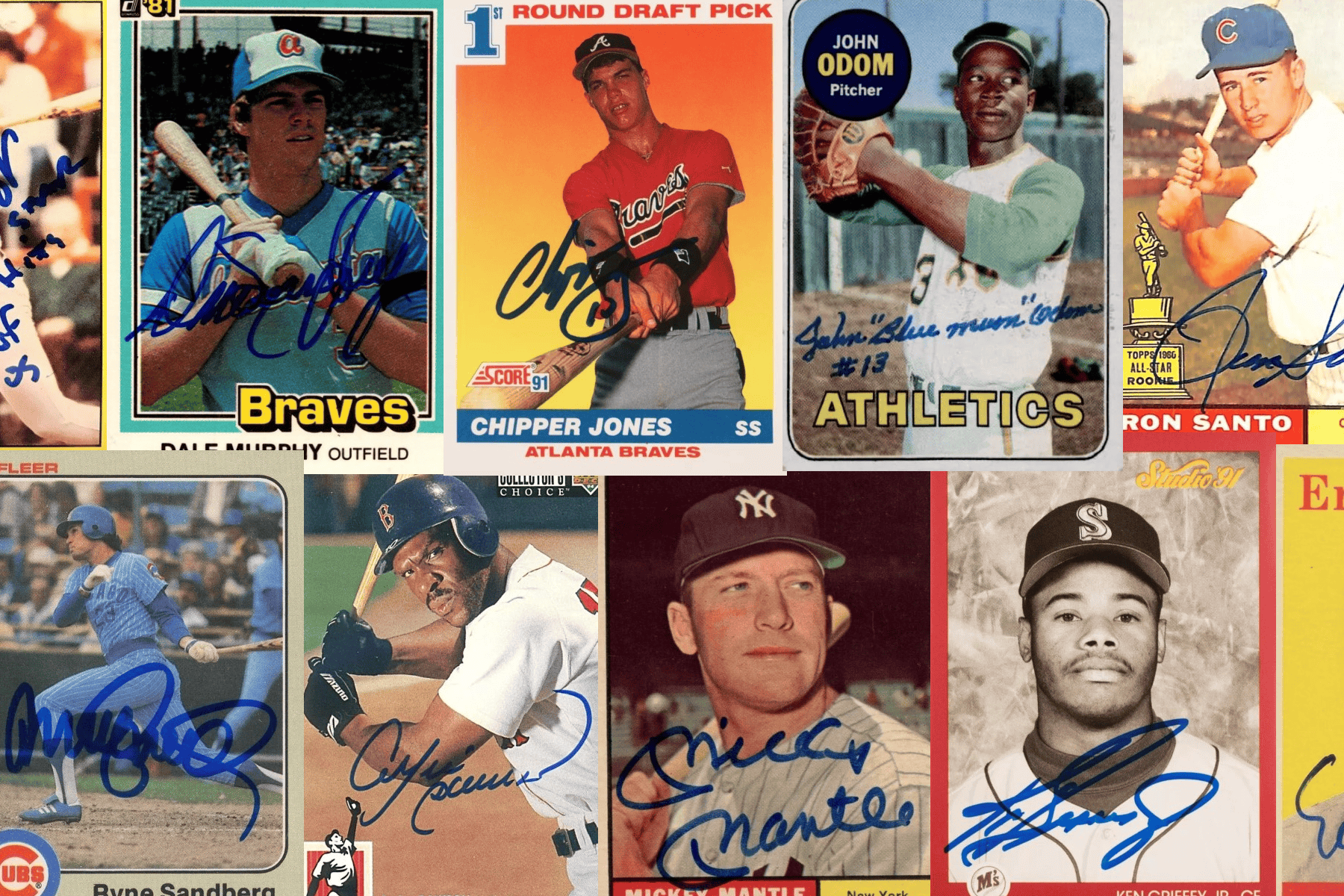

Baseball autographs represent one of the most personal connections a collector can have with the game. While you might have hundreds of base cards in your collection, a signed item carries the tangible proof that a player held that exact card, ball, or photo in their hands. For many collectors, the pursuit of autographs becomes as thrilling as the cards themselves, combining the hunt for rare signatures with the joy of personal interaction.
The autograph collecting landscape has evolved dramatically over the past few decades. Gone are the days when a simple signature was enough – today’s collectors consider factors like authentication, grading, inscription quality, and even the specific type of pen used. Whether you’re seeking a Hall of Famer’s signature to complete a set or hoping to get a rookie sensation’s autograph before prices skyrocket, understanding the various collection methods will help you build a meaningful and valuable collection.
This guide will walk you through the three primary ways to collect baseball autographs: in-person interactions, through-the-mail requests, and certified autographs found in card packs. Each method offers unique advantages and challenges, and most serious collectors utilize all three approaches to build comprehensive collections that reflect both personal memories and investment potential.
In-Person Autograph Collecting
Spring Training and Stadium Opportunities
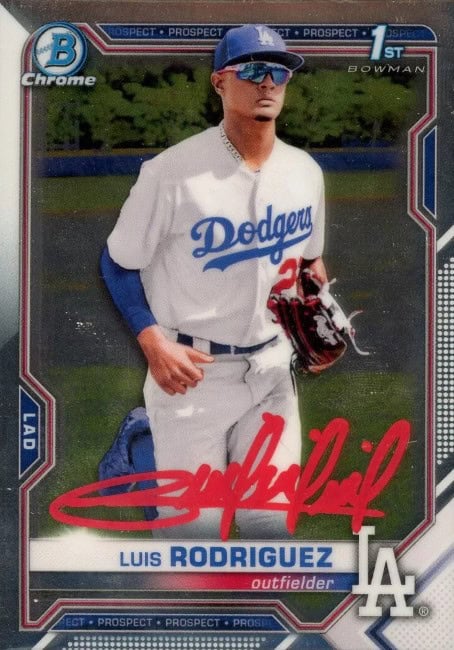
Spring training venues in Florida and Arizona offer some of the best opportunities for in-person autographs. Players arrive early, crowds are smaller than regular season games, and the atmosphere is more relaxed. Many players sign along the fence during batting practice or as they walk to the clubhouse. Arrive at least two hours before game time and position yourself near the dugout or along the first and third base lines.
During the regular season, your success depends on the stadium and the team’s policies. Some ballparks have designated autograph areas, while others restrict when and where players can sign. Focus on batting practice, which typically begins 2-3 hours before first pitch. Players warming up in the outfield often sign along the outfield wall. After games, some players stop to sign on their way to the parking lot, though this has become less common in recent years.
Minor league games provide excellent autograph opportunities because players are more accessible and eager to connect with fans. Many future stars sign freely at Double-A and Triple-A games. The relaxed environment means you can often get entire team sets signed in a single evening.
Card Shows and Conventions
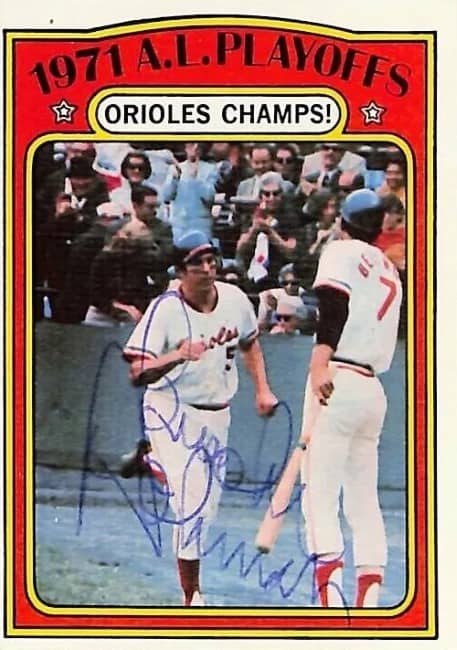
Card shows range from small local events to massive national conventions, and they offer guaranteed access to players – for a price. Private signings typically cost between $20 and $300 depending on the player’s status. Hall of Famers and current superstars command premium prices, while former players and prospects are more affordable. The advantage is certainty: you pay your fee, wait in line, and receive a signature.
Research the show’s guest list in advance and bring appropriate items to sign. Most shows specify what each player will sign – some limit you to one item, others allow multiple signatures for additional fees. Arrive early for popular guests, as lines can stretch for hours. Many shows also feature dealers who can help you locate specific signed items or offer authentication services on-site.
Bring quality items worth signing. A well-chosen card, photo, or ball can increase in value significantly with the right signature. Consider the player’s career highlights and bring items that reflect their achievements – a World Series photo for a championship player, or a rookie card for a Hall of Famer.
Best Practices for In-Person Collecting
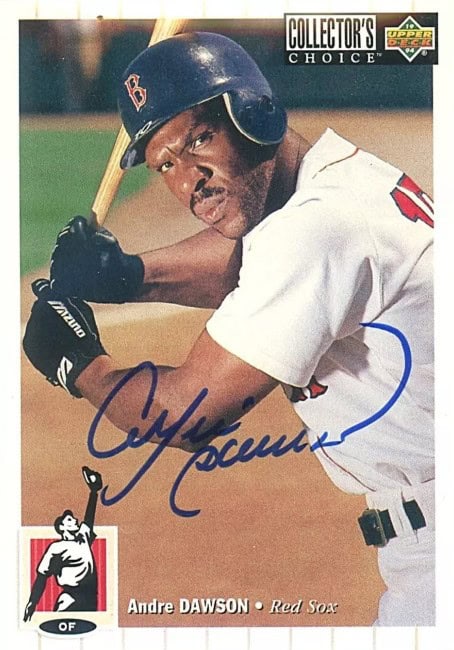
Always carry multiple cards, a quality blue Sharpie (which photographs well and doesn’t fade quickly), and a protective case for your newly signed items. Silver or gold paint pens work better on dark surfaces. Be respectful of players’ time – have your items ready and know what you want signed before you reach the front of the line.
Never assume a player will sign for free at a private establishment like a restaurant. If you encounter a player in public, a polite request is acceptable, but respect a “no” immediately. Many collectors focus on players who are known to be “good signers” – those who regularly accommodate autograph requests. Online forums and collector groups often share information about which players are accessible and friendly toward autograph seekers.
Through the Mail (TTM) Autographs
How TTM Collecting Works
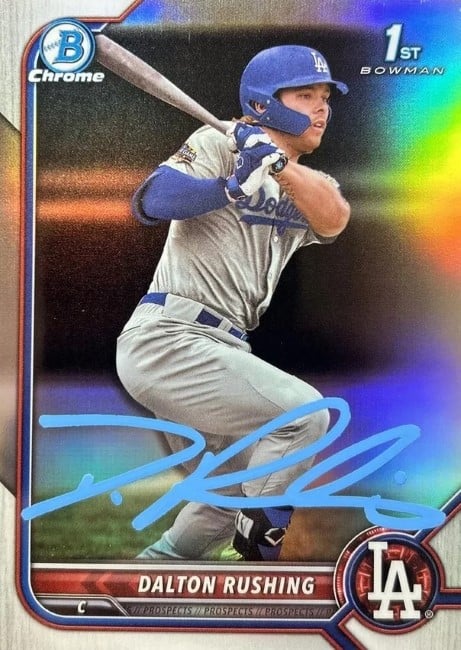
Through the mail autograph collecting involves sending cards or photos to players with a polite letter requesting a signature and including a self-addressed stamped envelope (SASE) for return. This method works surprisingly well, especially with retired players, minor leaguers, and some active major leaguers during the off-season. Success rates vary widely – some players return nearly everything they receive, while others never respond.
Address your letters to team facilities during spring training or the regular season. For retired players, some maintain fan mail addresses listed on collecting websites and databases. Minor league team addresses are widely available online. Your letter should be brief and genuine – mention why you admire the player and thank them for their time. Include only 1-2 items to sign, as sending too many appears greedy and reduces your chances of a response.
The waiting game tests your patience. Responses can arrive anywhere from two weeks to two years after sending, and some never return at all. Keep detailed records of what you sent, when you mailed it, and to which address. This helps you track success rates and avoid sending duplicates to the same player.
Maximizing TTM Success
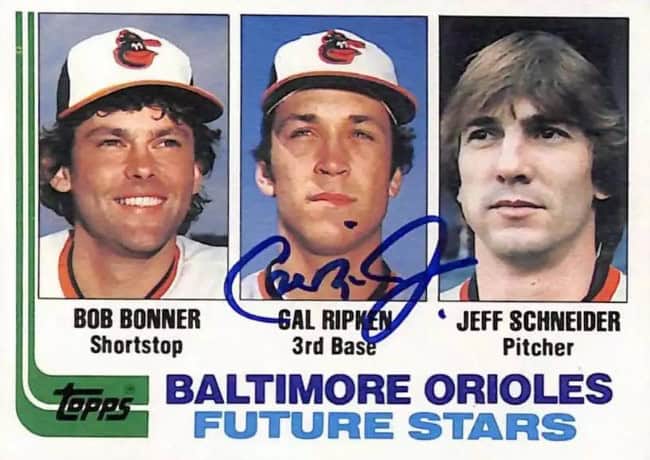
Research current success rates before sending requests. Several websites and forums track TTM returns, showing which players are currently signing and typical turnaround times. These resources save you money and disappointment by steering you away from players who rarely respond.
Use card savers or top loaders to protect your items during shipping. Include a piece of cardboard for extra protection, and use bubble mailers rather than regular envelopes. Some collectors include a small donation ($1-5) to cover the player’s time and materials, though this is optional. Avoid sending items worth more than $20, as mail can get lost or damaged.
Timing matters significantly. Sending requests during spring training often yields better results than during the season when players are busiest. Retired players generally have more time to respond to fan mail. Some players only sign at specific times of year, so patience and persistence pay off.
TTM Considerations and Authentication
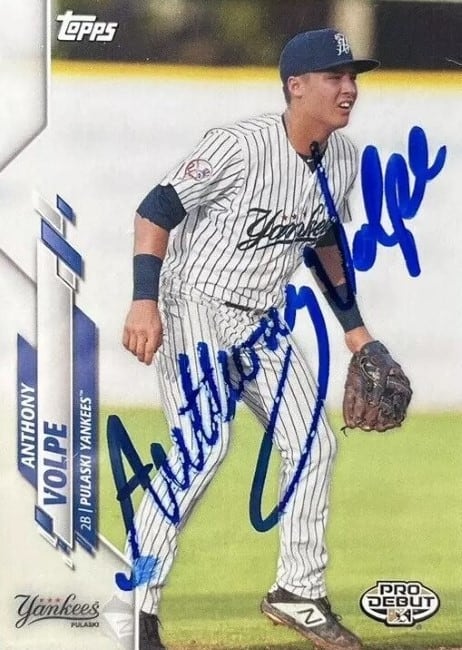
TTM autographs lack the authentication that comes with in-person or certified autographs. You’re trusting that the player personally signed your item rather than having a clubhouse attendant or family member handle it. Most collectors view TTM signatures as personal collection pieces rather than investment items. The uncertainty around authenticity means these autographs typically hold less value than authenticated versions.
However, TTM collecting offers unique advantages. The cost is minimal – just postage and materials. You can request personalized inscriptions, and there’s genuine excitement in checking your mailbox and finding a return. Many collectors cherish TTM autographs specifically because they represent a personal interaction with the player, even if conducted through correspondence.
Certified Autographs in Baseball Card Packs
Understanding Pack-Pulled Autographs

Certified autographs inserted into packs revolutionized the hobby when Upper Deck introduced them in 1990. Early chases like “Find Reggie” made these cards immediately popular. Today, every major manufacturer – Topps, Panini, Bowman, and others – includes autographed cards in their products. These signatures come with authentication from the card company, providing built-in verification that the signature is genuine.
Players sign sheets of stickers or cards directly for the manufacturers under controlled conditions. The company then inserts these autographs into packs at stated odds – you might see “1 autograph per hobby box” or “1 autograph per case.” Higher-end products feature better autographs from star players, while lower-tier products include more prospects and role players.
The guaranteed authenticity makes these autographs ideal for investment purposes. You can buy and sell them with confidence, and they’re easier to grade and value than in-person signatures. However, you’re paying premium prices – either by buying packs and hoping to pull hits, or by purchasing specific autographs on the secondary market.
Types of Certified Autographs
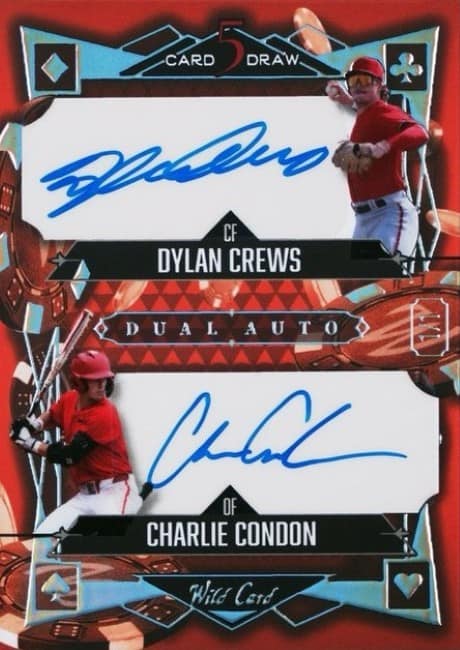
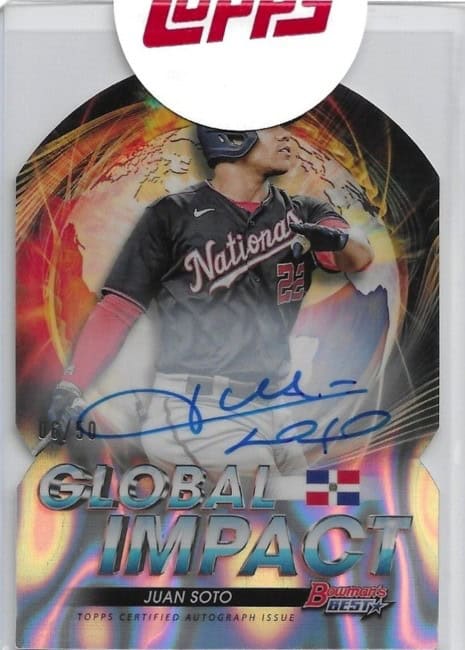
On-card autographs feature signatures directly on the card stock and are generally preferred by collectors. The player signed the actual card you’re holding, which feels more authentic and typically commands higher prices. Sticker autographs use adhesive labels that players sign separately, which the manufacturer then affixes to cards. While purists prefer on-card signatures, stickers allow manufacturers to include more autographs and provide better quality control.
Parallel and serial-numbered autographs add rarity and value. A base autograph might be numbered to 99 copies, while refractor or colored parallels could be numbered to 50, 25, 10, or even 1-of-1. Lower serial numbers almost always command higher prices. Patch autographs combine signatures with jersey swatches, offering dual-memorabilia cards that are especially popular with collectors.
Buying Certified Autographs
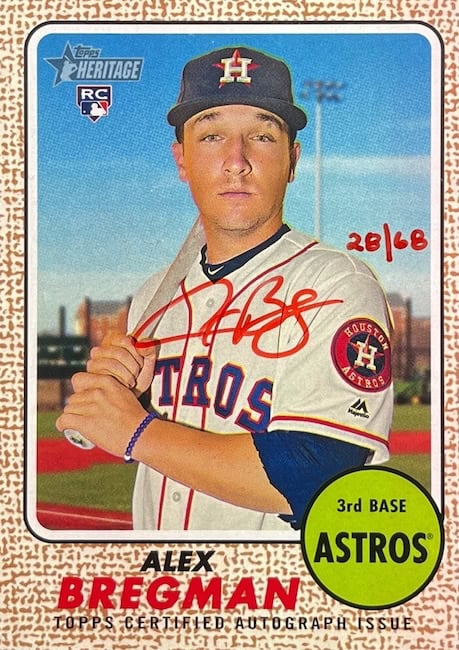
You can acquire certified autographs by breaking packs yourself or buying singles on the secondary market. Breaking boxes provides the thrill of the chase but offers no guarantees – you might pull a $500 autograph or a $5 rookie. Buying singles ensures you get exactly what you want but removes the excitement of discovery.
Research market values before purchasing. Recent sales show you what specific autographs actually sell for, not just what sellers are asking. Prices fluctuate based on player performance, so timing your purchases matters. Buying during the off-season or when a player is struggling can save you significant money.
Graded certified autographs provide an additional layer of value. PSA, BGS, and SGC will grade both the card and the autograph quality, assigning separate scores. A high-grade autograph on a pristine card commands substantial premiums over raw versions.
The Value of Baseball Autographs
Factors That Determine Value
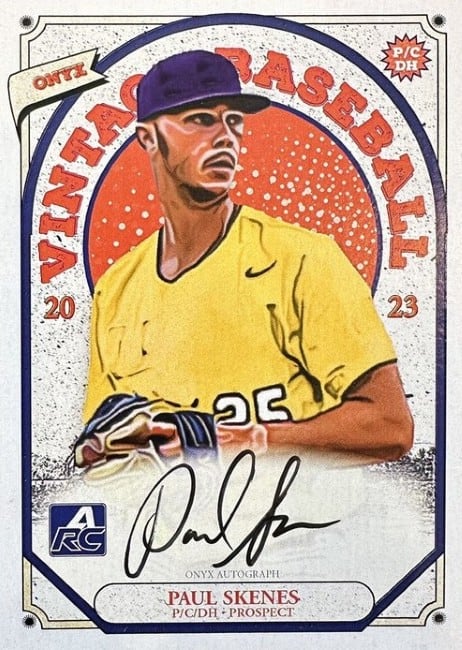
Player achievement drives autograph values more than any other factor. Hall of Famers, MVP winners, and World Series champions command the highest prices. Current superstars in their prime also fetch premium prices, though these can be volatile – one poor season can dramatically reduce demand. Rookies and prospects offer high-risk, high-reward opportunities, as their values can skyrocket or plummet based on performance.
Scarcity plays a crucial role in pricing. A player who signs frequently at card shows will have lower-valued autographs than someone who rarely signs. Deceased players can’t create new autographs, making their signatures increasingly valuable over time. Players who stopped signing due to health issues or personal preference see their autograph values rise accordingly.
The item being signed affects value significantly. Baseballs are classic choices and display well but don’t photograph as clearly as flat items. Cards offer the best combination of display quality and storage efficiency. Photos work well for dramatic action shots or historic moments. Equipment items like bats and jerseys command premiums but cost more to frame and store.
Enhancing Autograph Value
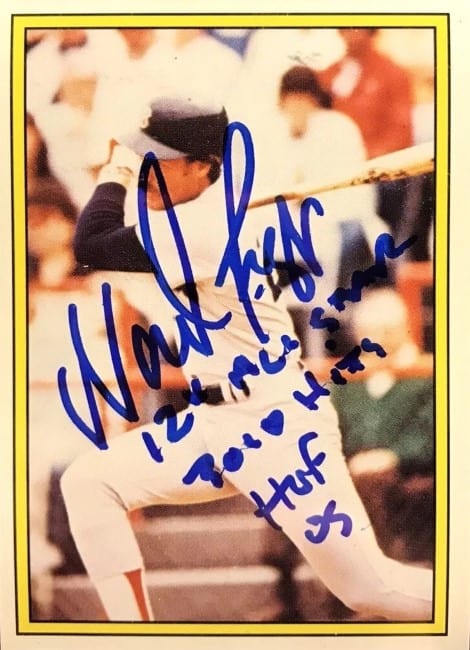
Inscriptions can increase or decrease value depending on the collector. Generic inscriptions like “HOF 95” or “WS Champs” add context and appeal to many collectors. Personalized inscriptions (“To Mike”) typically reduce resale value because they’re specific to one person, though they hold sentimental value for the recipient. Statistical inscriptions like “3000 Hits” or “300 Wins” enhance desirability for milestone achievements.
Quality matters enormously. A bold, clear signature in the right location beats a smudged or poorly placed autograph every time. Specify where you want the signature when possible – on the player’s image area rather than on dark backgrounds where it’s hard to see. Use premium pens that won’t fade or smudge.
Authentication and grading significantly impact value. A raw autograph might sell for $50, while the same signature with PSA or JSA authentication could fetch $75. Add card grading, and prices climb further. The assurance buyers feel when purchasing authenticated items justifies the added cost.
Market Considerations
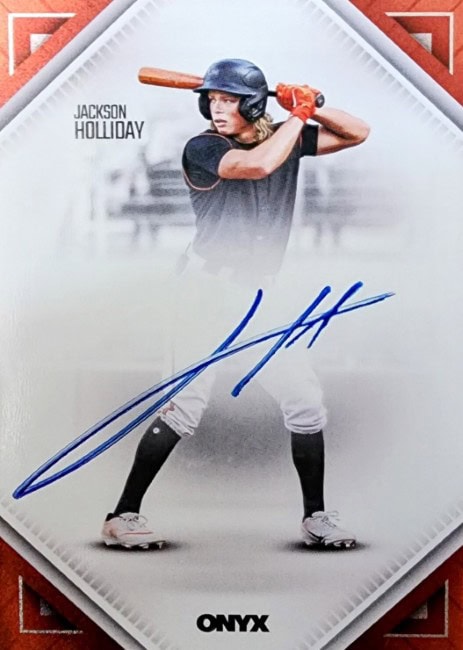
The autograph market fluctuates based on player performance, hobby trends, and economic conditions. Star players’ autographs peak during excellent seasons and championship runs. Rookie autographs spike during call-ups and award campaigns but can crater quickly if the player struggles. Vintage autographs from deceased Hall of Famers provide the most stable long-term value.
Compare prices across multiple platforms before buying or selling. Show promoters, online retailers, and individual sellers all have different pricing structures. Buy from reputable dealers who stand behind their authentication. If a price seems too good to be true for a high-value autograph, it probably is.
Displaying Your Autograph Collection
Display Options for Cards
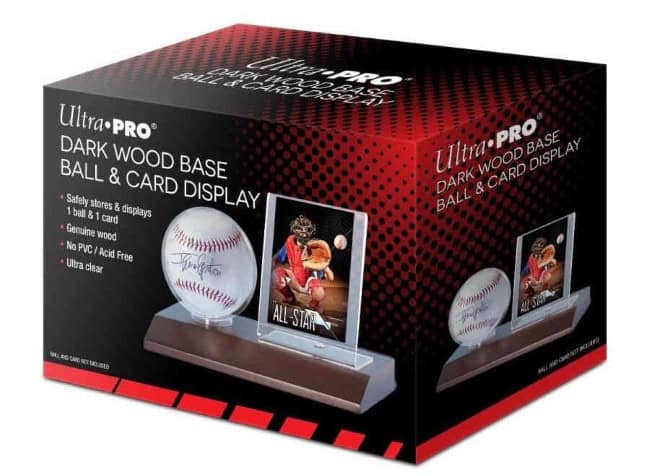
Signed cards deserve protection that showcases them properly. One-touch magnetic holders provide easy viewing while protecting the signature from smudging or fading. These clear cases stack nicely and allow you to handle your collection without touching the autographed surface. For extra protection, store one-touches in card boxes or on shelves away from direct sunlight.
Display cases designed for graded cards work beautifully for your best autographs. These cases feature UV-protective glass and allow you to mount cards on walls or shelves. Some collectors rotate their displayed autographs seasonally or based on current events – moving postseason heroes to prominent positions during playoffs, for example.
Shadow boxes offer creative display options for combining multiple items. You might frame a signed card alongside a game ticket and a program from the event where you obtained the signature. These themed displays tell stories about your collecting journey and create meaningful presentations.
Framing and Wall Displays
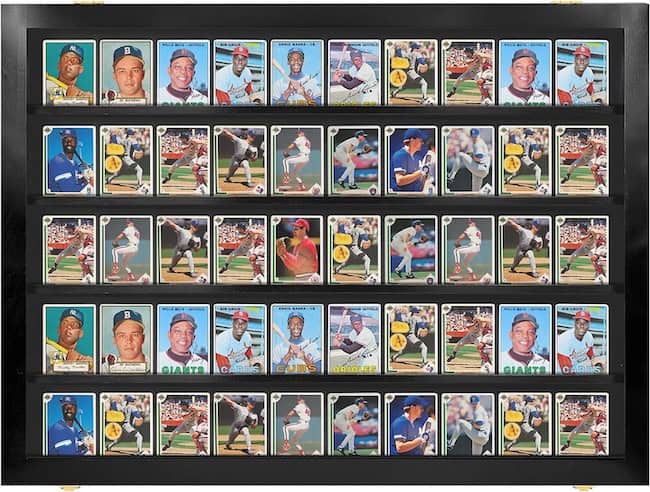
Professional framing elevates autographed items into art pieces for your home or office. Use UV-protective glass to prevent signature fading from sunlight exposure. Acid-free matting prevents yellowing and deterioration over time. Choose mat colors that complement the team colors or card design without overwhelming the signature itself.
Consider the room’s lighting when positioning framed autographs. Direct sunlight will fade signatures over time, even with UV glass. LED lighting provides excellent illumination without the heat and UV exposure of traditional bulbs. Position lights to minimize glare on the glass while highlighting the autograph.
Themed wall displays create impressive presentations. A “World Series Champions” wall featuring signatures from multiple players on one team, or a “500 Home Run Club” display with autographs from various sluggers tells a cohesive story. Group related autographs by team, era, position, or achievement for maximum impact.
Storage and Preservation
Autographs not on display need proper storage to maintain their condition. Store signed cards in penny sleeves and top loaders, then keep them in card storage boxes in a climate-controlled environment. Baseballs should rest in protective cubes or cases rather than being exposed to air and dust. Avoid storing autographs in attics or basements where temperature and humidity fluctuate dramatically.
Create an inventory system for your collection. Photograph each autograph and maintain a spreadsheet noting when and where you obtained it, what you paid, and current estimated value. This documentation helps with insurance claims if needed and allows you to track your collection’s growth and value over time.
Handle autographs minimally and always with clean hands. The oils from your skin can damage signatures over time. When showing items to others, keep them in protective holders rather than passing around raw autographs. These simple precautions preserve your collection for decades.
Grading and Authentication
Authentication Services
Professional authentication provides peace of mind and market credibility. PSA (Professional Sports Authenticator), JSA (James Spence Authentication), and Beckett Authentication Services are the three most respected companies in the industry. These companies employ experts who examine signatures for authenticity, comparing them to known exemplars and checking for signs of forgery.
The authentication process involves submitting your autograph to the company along with a fee (typically $15-50 depending on the declared value). The authenticator examines the signature and issues a certificate of authenticity with a unique serial number. Most services also provide a tamper-evident sticker or holder to prevent substitution after authentication.
Authentication becomes increasingly important as values rise. For autographs worth $100 or more, authentication significantly enhances marketability. Buyers on eBay and other platforms pay substantial premiums for authenticated autographs because they eliminate the risk of purchasing forgeries.
Card Grading Combined with Autographs
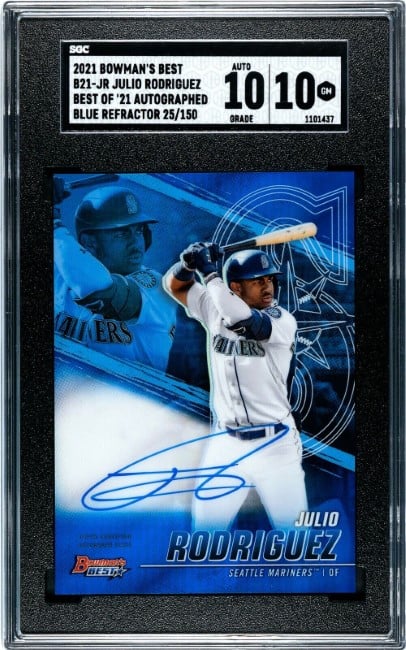
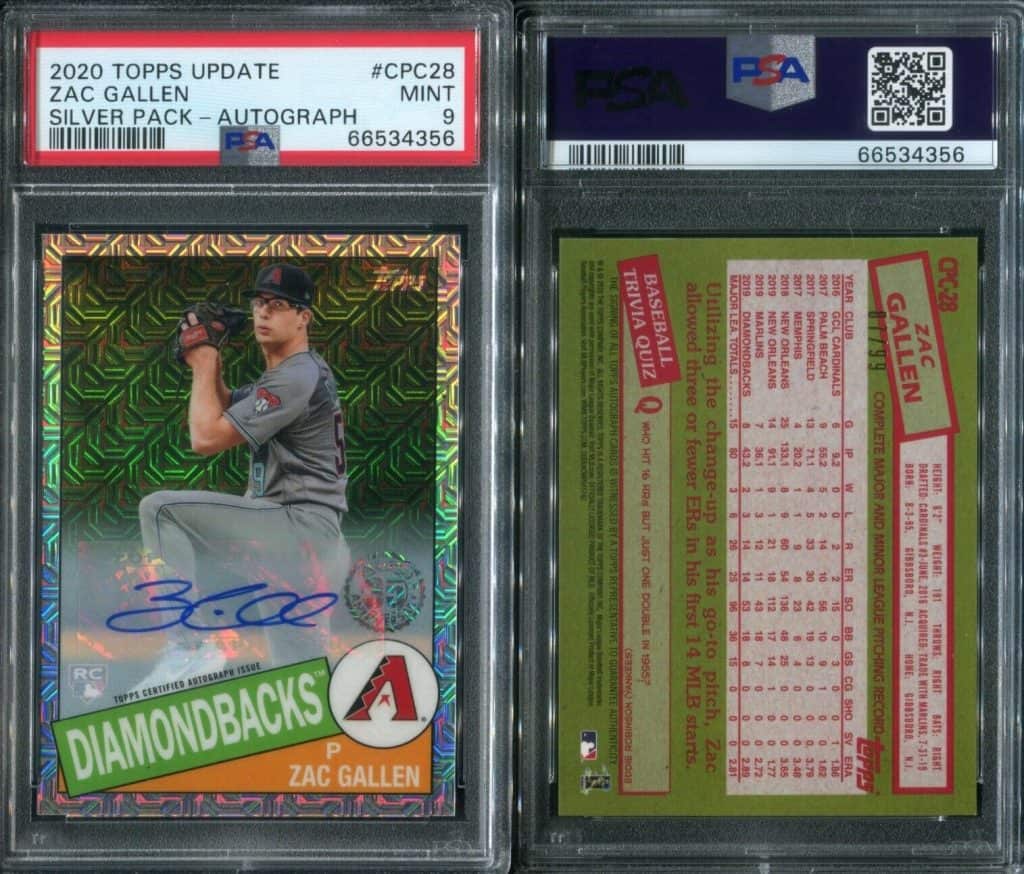
PSA, BGS (Beckett Grading Services), and SGC (Sportscard Guaranty Corporation) grade both the card condition and autograph quality when you submit signed cards. The card receives a grade from 1-10 based on centering, corners, edges, and surface quality. The autograph receives a separate grade (typically 1-10) based on signature quality, placement, and boldness.
A PSA 10 card with a PSA 10 autograph represents the pinnacle of condition and commands massive premiums over raw versions. Even modest grades like 8 or 9 substantially increase values compared to ungraded autographs. The sealed holder provides protection while displaying your item professionally.
Grading costs vary based on service level and turnaround time. Standard submissions cost $20-40 per card but take several months. Express services cost more but return your cards in weeks. Submit only autographs worth substantially more than the grading fee – it makes no sense to spend $30 grading a $20 autograph.
Spotting Forgeries and Protecting Yourself
Forgeries plague the autograph market, especially for high-value signatures. Common red flags include autographs that look too perfect (real signatures have natural variations), prices far below market value, and sellers with limited or suspicious feedback. Signatures obtained through reputable sources – card shows, team stores, manufacturers – carry much lower forgery risk than items from unknown sellers.
Study exemplars of signatures you collect. Players’ signatures evolve over their careers, but certain characteristics remain consistent. Mickey Mantle’s “M”s, Ted Williams’ flourish, and Derek Jeter’s specific letter formations help you spot authentic signatures. Authentication companies maintain databases of exemplars for comparison.
Buy from established dealers with return policies and authentication guarantees. Many reputable dealers will refund your purchase if an autograph fails authentication. This protection is worth paying slightly higher prices for compared to taking risks with unknown sellers offering suspiciously low prices.
Special Considerations for Autograph Collectors
Team-Signed Items
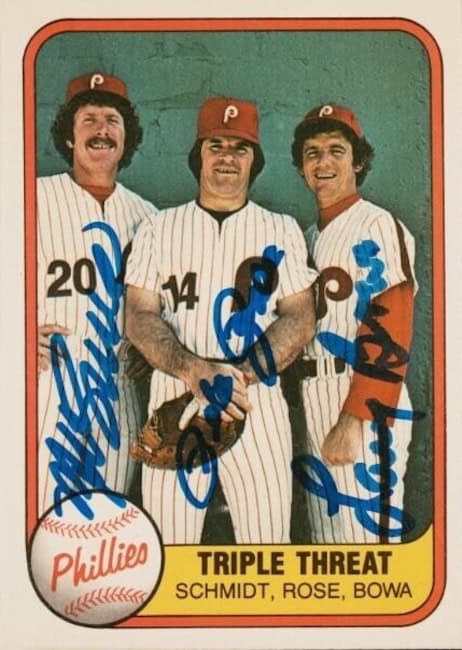
Team-signed baseballs, photos, and jerseys create impressive display pieces and commemorate specific seasons or achievements. Collecting a full team set requires dedication – you’ll need signatures from 26-40 players depending on roster composition. Start with the biggest stars and key contributors, then fill in role players and coaches over time.
Championship teams command premium prices, especially if key players have since retired or passed away. A complete 1998 Yankees team ball might cost $1,000 or more, while a 2023 team ball costs significantly less. Consider whether you want every player’s signature or just the core contributors – collectors define “complete” differently based on personal preferences.
Position team balls strategically during signings. Traditionally, the manager signs on the “sweet spot” (the premium space between the seams), with stars and key players taking other prominent positions. Utility players and reserves fill in remaining spaces. This hierarchy maximizes display appeal and follows hobby conventions.
Thematic Collections
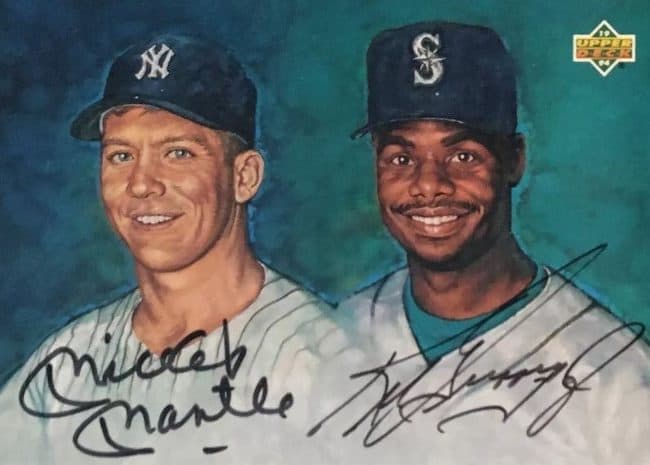
Many collectors focus on specific themes rather than collecting randomly. Popular themes include Hall of Famers, 3,000-hit club members, 500-home-run club members, Cy Young winners, or players from a specific team or era. Themed collections provide direction and completion goals, making the hobby more satisfying than aimlessly accumulating signatures.
All-Star Game or World Series rosters make excellent themes because they’re defined, achievable sets with clear endpoints. Deceased player collections offer the challenge of finding authentic vintage autographs while knowing the set can never expand. Position-specific collections (all the great shortstops, for example) allow you to build expertise in that area.
Milestone moments provide compelling themes – players’ first or last games, no-hitters, or record-breaking performances. Obtain signatures on items commemorating those specific events, such as ticket stubs, programs, or photo prints from that day. These contextualized autographs tell richer stories than generic signed cards.
Alternative Items for Signing
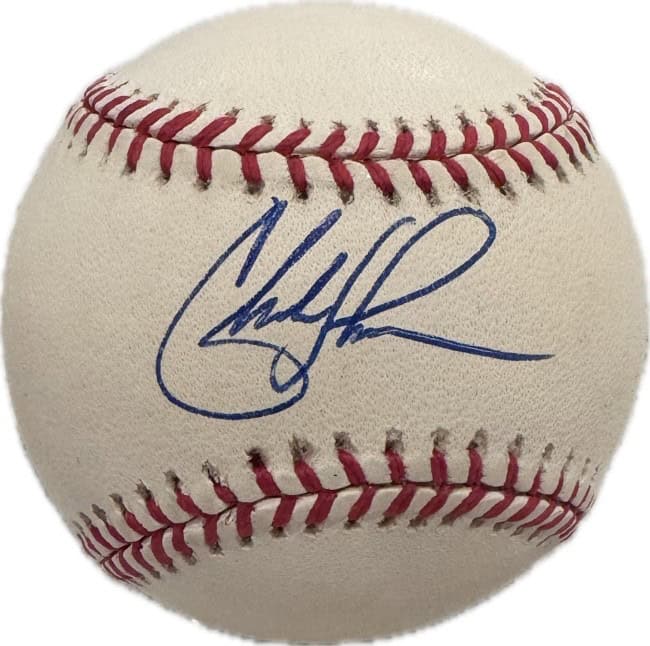
Baseballs remain the most traditional autograph item. Official Major League baseballs are preferred, though many collectors use practice balls for less valuable signatures. Single-signed balls look cleaner and more valuable than multi-signed versions unless you’re building team sets. Display cubes protect balls while showcasing them attractively.
Bats offer impressive display pieces but cost more (both for the bat and for framing or display cases). Full-size bats signed by power hitters are popular choices. Mini bats provide a more affordable and space-efficient alternative while still offering the bat aesthetic. Black bats accept gold or silver signatures beautifully.
Jerseys create the most dramatic displays when properly framed but are expensive and take up considerable wall space. Replica jerseys work fine for most collectors – save authentic game-worn jerseys for only the most significant autographs. Frame jerseys so the signature is prominently visible, typically across the numbers or on the front chest area.
Helmets, bases, and equipment items add variety to collections. Catchers sometimes sign chest protectors, pitchers sign rosin bags, and players sign lineup cards or lineup boards. These unique items make your collection more interesting than cards alone, though they’re harder to store and display efficiently.
Protecting Yourself from Common Pitfalls
Avoiding Bad Deals
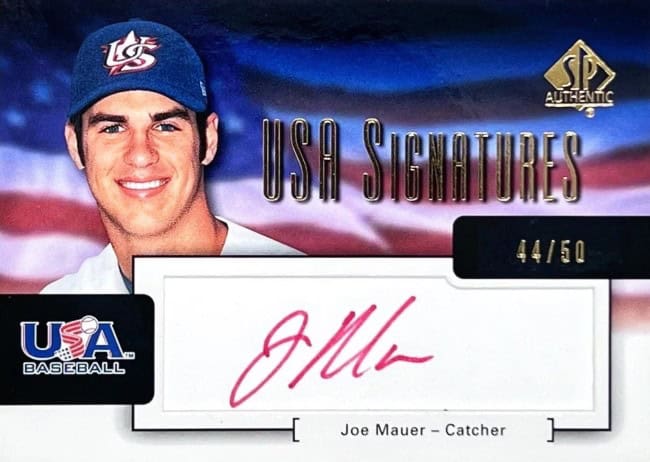
Research values before making purchases at shows or online. Check recent eBay sold listings (not active listings – those show asking prices, not actual values) to understand real market prices. Compare multiple sources to ensure you’re paying fair market value. High-pressure sales tactics at shows should raise red flags – reputable dealers let you take time to consider purchases.
Beware of “too good to be true” pricing. A $500 autograph being sold for $150 deserves serious skepticism. The seller might have inside knowledge that reduces value (player is signing extensively at upcoming shows, flooding the market), or the item could be forged. Unless you’re confident in your authentication abilities, stick with reputable sources even if prices are higher.
Understanding Authentication Limitations
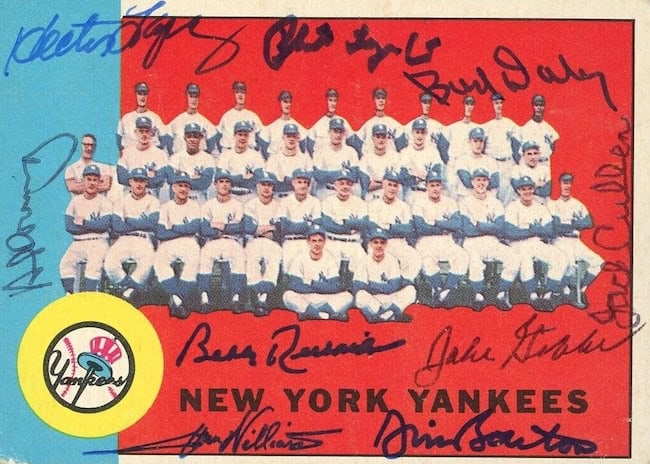
Authentication services are highly accurate but not infallible. Occasionally authentic signatures fail authentication (false negatives) or forgeries pass (false positives). No system is perfect, but the error rate at major companies is extremely low. Don’t assume every rejection means your item is forged – you can resubmit to a different service for a second opinion.
Some authentication companies have better reputations than others in different niches. PSA is generally considered the gold standard for modern autographs, while JSA specializes in historical signatures and vintage material. Research which authenticator is most trusted for your specific type of item.
Setting Realistic Expectations
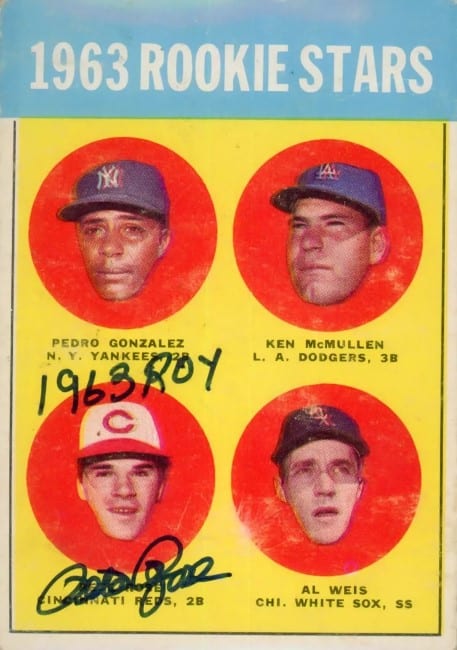
Not every autograph will increase in value. Most signatures are worth less than many collectors hope, particularly from role players or prospects who never pan out. Collect primarily because you enjoy the hobby, not solely as an investment strategy. The autographs that increase substantially in value are the exceptions, not the rule.
Building a quality collection takes time and patience. You won’t complete your Hall of Fame collection in six months or acquire every team-signed ball from championship years in one season. Enjoy the journey of hunting for autographs, meeting players, and connecting with other collectors. These experiences often prove more valuable than the signatures themselves.
Conclusion
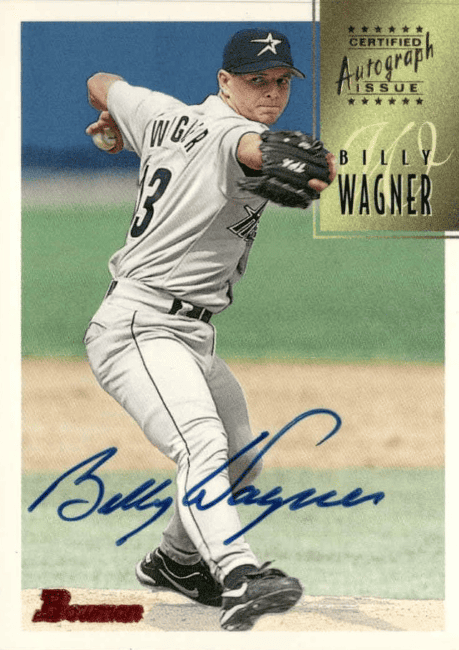
Collecting baseball autographs combines the thrill of the hunt with the satisfaction of owning tangible connections to the players and moments you love. Whether you prefer the personal interaction of in-person collecting, the anticipation of through-the-mail requests, or the guaranteed authenticity of certified pack-pulled autographs, each method offers unique rewards. The most successful collectors employ all three approaches strategically, building comprehensive collections that reflect both passion and smart decision-making.
Your autograph collection should reflect your individual interests and goals. Some collectors chase Hall of Famers exclusively, while others focus on personal heroes from childhood or local minor league players before they reach stardom. There’s no wrong approach – the best collection is the one that brings you joy every time you look at it. Balance investment considerations with sentimental value, and remember that the stories behind your autographs often matter more than their dollar values.
The autograph hobby continues to evolve with new authentication technologies, changing player accessibility, and shifting market dynamics. Stay informed about trends, connect with fellow collectors through online forums and local clubs, and most importantly, respect the players whose signatures you seek. Approach every interaction with courtesy and gratitude, whether you’re mailing a request, waiting at a stadium, or paying for a signing. The autographs you collect today will provide decades of enjoyment and potentially significant value for future generations of fans and collectors.
