


Walk into any serious collector’s room and you might see row after row of binders, stacked boxes, and thousands of cards sorted by year, team, and set. For a long time, that image defined what baseball card collecting means. More cards meant more passion, more dedication, more commitment to the hobby. But a growing number of collectors are pushing back on that assumption – and building something that is, by almost every measure, more satisfying. They are building small, focused, intentional collections that carry real weight.
Minimalist collecting is not about indifference. It is not about having less because you cannot afford more. It is a deliberate philosophy – one that asks you to define what actually matters to you as a collector, and then pursue only that. Whether you organize your collection around a single card type, a specific era, a beloved design, or a target condition grade, the result is the same: a collection with a clear identity that you can be proud of, understand deeply, and enjoy every time you look at it.
This approach suits the collector who is serious about the hobby but works within a real budget and wants every purchase to feel meaningful. If you have ever pulled a card from a bulk lot and felt nothing, or added another common to a binder and wondered why you bothered, minimalist collecting might be exactly what you have been looking for.
Less Is More: The Case for Minimalist Collecting
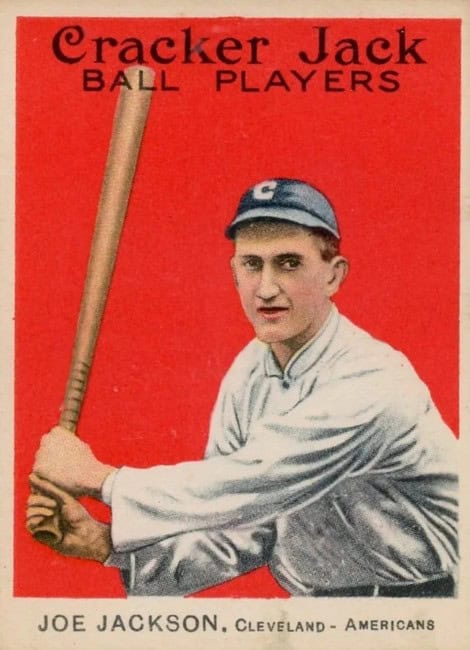
Bulk collecting has a seductive logic to it. Every card feels like a small win. Completing a set feels like an accomplishment. But over time, the sheer volume can work against you. It becomes hard to know what you own. Storage becomes a problem. And when every card holds roughly equal weight in the collection, the genuinely special ones lose their shine.
Minimalism flips that dynamic. When you own 30 cards instead of 3,000, you know each one by heart. You remember where you found it, what you paid, and why it mattered. That relationship between collector and card is the core of why people get into this hobby in the first place – and it is much easier to sustain when you are not drowning in cardboard.
There is also a practical financial argument. A collector with a defined focus can spend smarter. Instead of spreading a monthly budget across dozens of cheap adds, you save and direct that same money toward one card that genuinely advances your collection. Over time, a focused collection built this way tends to hold its value better than a sprawling mix of commons and mid-grade cards with no unifying theme.
The psychology here tracks with what behavioral researchers call the paradox of choice – the well-documented finding that more options do not produce more satisfaction. When your collecting scope is narrow, every decision feels meaningful. Every acquisition is a small victory. That is a powerful motivator that keeps the hobby fresh for years.
Choosing a Focus That Fits You

The first and most important step in minimalist collecting is deciding what your collection is about. This sounds simple, but it requires some honest self-examination. Ask yourself what draws you to a card. Is it the player? The era? The design? The condition? The story behind the set? Your answer will shape everything that follows, so take your time with it.
Most minimalist collectors land in one of four broad lanes. Each has its own logic, its own pleasures, and its own challenges. The right one for you depends on your taste, your history with the hobby, and what you want to feel when you look at your collection. Here is a closer look at each.
The Single-Card Obsession
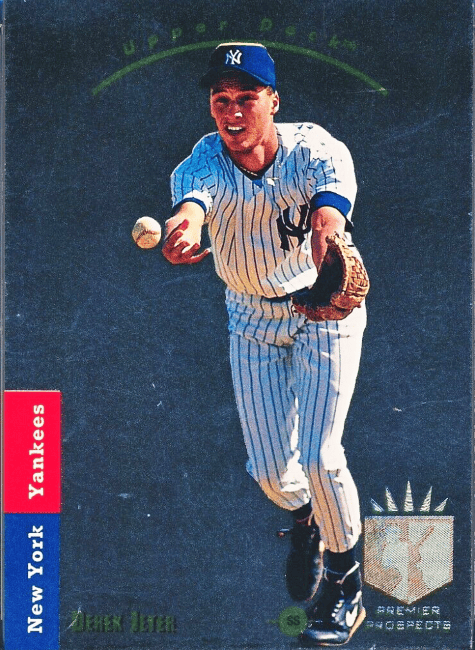
Some of the most impressive collections in the hobby are built around a single card – every printing, every parallel, every variation of one iconic issue. Think about the 1952 Topps Mickey Mantle, the 1989 Fleer Ken Griffey Jr., or the 1993 SP Derek Jeter foil rookie. Each of these cards has been printed in different versions across different years, graded at different levels, and produced in different conditions. Collecting every meaningful version of one card becomes a genuine research project.
This approach rewards deep knowledge. You quickly become an expert on print runs, authentication markers, and grading nuances for your chosen card. That expertise helps you spot deals, avoid fakes, and make better buying decisions than a generalist collector ever could.
Start by picking a card that genuinely excites you – not one you think will appreciate in value, but one that makes you want to learn everything about it. Then map out every variation you can find using resources like COMC, PSA’s population report, and collector forums on platforms like Blowout Cards or Net54. Build a want list ranked by priority. Work through it systematically over time.
The key actionable move here is documentation. Create a simple spreadsheet tracking every known variation, its estimated population, current market value, and whether you own it. That document becomes your roadmap and your record – and it makes the collection far more interesting to share with others.
Era Collecting
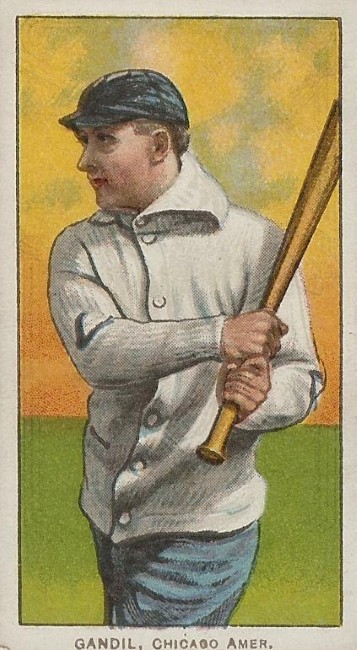
Era collecting means planting your flag in a specific period of baseball history and building your entire collection from that window. Some collectors are devoted to the pre-war era, hunting down tobacco cards from the T206 set or Goudey cards from the 1930s. Others are locked in on the junk wax era of the late 1980s and early 1990s – not because those cards are rare, but because they carry genuine personal meaning.
The appeal of era collecting is narrative. You are not just collecting cards – you are collecting a version of the game. The players, the stats, the uniforms, the stadiums, and the card designs all belong to a specific cultural moment. When you hold a 1975 Topps mini, you are holding something that a kid in 1975 held. That connection is powerful.
To take an actionable approach, define your era with specific year boundaries – say, 1968 to 1979. Then build a target list of the 20 to 30 cards from that window that matter most to you. These might be key rookies, star players, or cards tied to specific moments you care about. Resist the urge to expand into adjacent years. The discipline of staying inside your era is part of what makes this approach work.
Era collectors also tend to develop strong opinions about condition. A well-loved 1969 Topps Reggie Jackson shows its age, and many collectors see that patina as authentic. Others prefer raw but sharp examples. Decide your condition philosophy early, because it shapes every buying decision you make.
Collecting by Set or Aesthetic
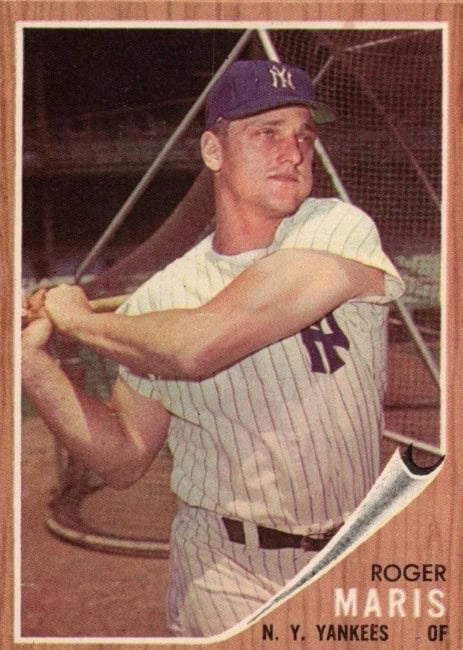
Some collectors are drawn to the art of baseball cards as much as the game itself. If you find yourself falling for a specific design language – the clean borders of 1971 Topps black, the bold colors of 1987 Topps, the wood-grain look of 1962 Topps, or the starkly modern lines of recent Topps Chrome sets – design-based collecting might be your lane.
The design collector picks one or two sets and pursues them with depth rather than breadth. Instead of owning one card from every set ever made, you own many cards from a single set – and you know that set better than almost anyone. You understand which cards are tougher to find in good condition, which variations exist, and which players had particularly striking photos that year.
A practical starting point: pick one set and complete the high-number series first. High numbers were typically printed in smaller quantities and represent the toughest challenge in any vintage set. Finishing that subset gives you a genuine achievement and a natural momentum to build on.
Design collecting also translates beautifully to display. A framed grid of nine cards from the same set, chosen for visual impact, becomes a piece of wall art that tells a story. This is a collection that has a presence in your space – not just a binder in a box.
The High-Grade Minimalist
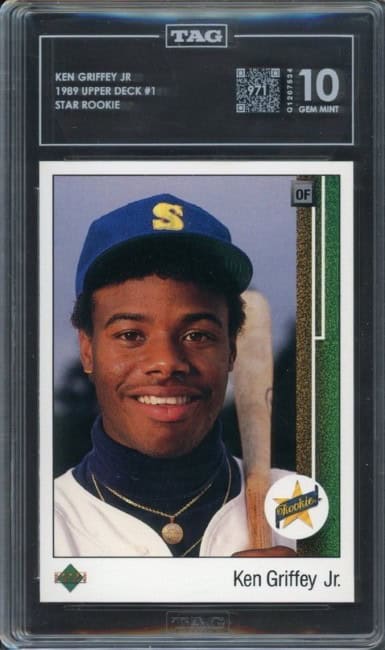
The condition-focused minimalist has one simple rule: only buy the best examples you can afford of the cards that matter to you. This is perhaps the purest form of low-volume collecting, because the condition filter naturally limits what you can acquire. A PSA 8 or better copy of most vintage cards costs real money, which means you buy less frequently and with more intention.
Grading services like PSA, BGS, and SGC provide a common language for condition. A PSA 7 Near Mint and a PSA 9 Mint of the same card can look and feel dramatically different – and differ by a factor of ten or more in price for key issues. Understanding that grade-to-value relationship is essential knowledge for this type of collector.
The actionable approach here is to resist upgrading on impulse. Before you submit a card for grading or buy a high-grade example, set a minimum grade threshold for your collection – say, PSA 7 for vintage and PSA 9 for modern. Then stick to it. Selling a lower-grade copy to fund a better one is not a step backward; it is the system working exactly as intended.
One underrated strategy for this lane is focusing on mid-tier players in high grades rather than star players in mid grades. A PSA 9 of a solid supporting player from a beloved era can be both more affordable and more visually striking than a PSA 5 of the biggest name. That trade-off is worth thinking carefully about.
The “White Whale” Mindset: Building Around a Centerpiece Card
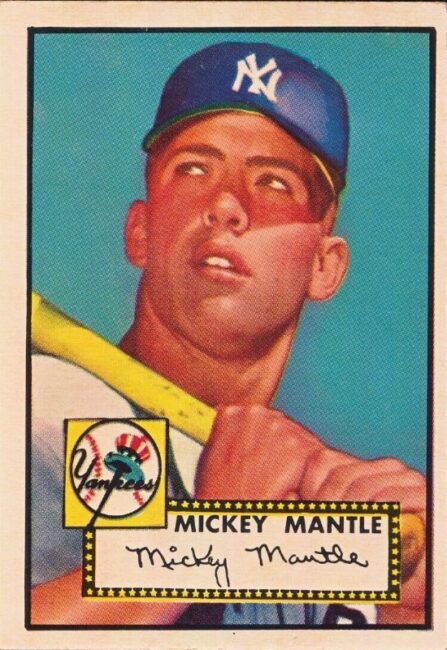
Every strong minimalist collection has a centerpiece – one card that anchors everything else. In collector culture, this is often called the ‘white whale’: the card you are actively working toward, the one that would make the collection feel complete. Having a white whale is not just motivating; it is structurally useful. It gives your collection a hierarchy and a north star.
Your white whale does not need to be a six-figure card. It just needs to be the most significant card in your collecting scope – the one that is hardest to obtain at the grade or version you want. For a single-card obsessive, it might be the highest-graded raw example of their chosen issue. For an era collector, it might be the key rookie from their target window. And for a design collector, it might be the toughest short print in their set.
The white whale mindset changes how you approach buying decisions. When you consider any new card, the first question becomes: does this bring me closer to my centerpiece, or does it pull budget away from it? That discipline prevents impulse buys and keeps your collection coherent. It also builds patience – a skill that pays off significantly in this hobby.
From an investment standpoint, centerpiece cards in well-chosen categories tend to outperform random accumulation over the long run. That is not why you should choose your white whale – choose it because it excites you – but it is a genuine secondary benefit worth noting. The 1952 Topps Mantle, the T206 Honus Wagner, the 1916 Sporting News Babe Ruth – these cards appreciate because serious collectors have always wanted them, and serious collectors tend to be the most informed buyers in the market.
A practical step: write down your white whale right now, in as much specificity as you can manage. Name the card, the set, the player, the grade, and the version you want. Post it somewhere you see regularly. That clarity will quietly shape every collecting decision you make going forward.
How Minimalism Changes the Way You Shop
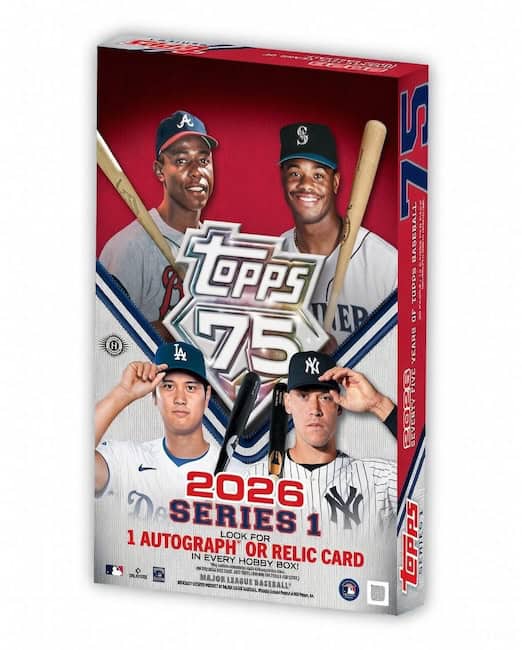
Once you define your focus, your relationship with card shows, online marketplaces, and group breaks changes fundamentally. You stop browsing for anything interesting and start hunting for specific targets. That shift makes you a far more effective buyer.
On platforms like eBay, COMC, and MySlabs, saved searches become your most powerful tool. Set up alerts for your specific targets – card name, set, grade range, and a maximum price. Let the platform do the watching for you. When a deal appears, you are notified. This is how focused collectors find value that casual browsers miss entirely.
At card shows, the minimalist collector moves differently. Rather than working every table looking for general finds, you arrive with a printed or digital want list and ask dealers directly whether they have what you need. Most dealers appreciate a buyer who knows exactly what they want – it saves time on both sides and often leads to better conversations and better prices.
Minimalism also changes how you think about selling. When your collection is focused, the cards that fall outside your lane become obvious candidates to move. Selling a card that no longer fits your focus to fund one that does is not losing ground; it is actively refining your collection. Set a rule for yourself: if a card does not fit your defined scope, it goes. That discipline is what keeps a minimalist collection clean over time.
Consider building a simple budget model: a monthly allocation you set aside for the hobby, divided into two pools. The first pool covers opportunistic buys – cards within your focus that come up at a good price and fit the collection. The second pool accumulates toward your white whale. Even a small monthly amount directed toward that second pool adds up meaningfully over a year.
Conclusion
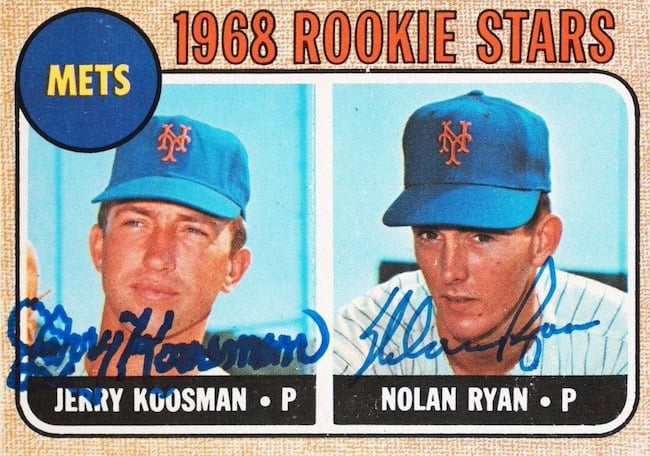
There is nothing wrong with bulk collecting. For plenty of hobbyists, the joy is in the volume – the hunt, the variety, the sense of building something encyclopedic. But if that approach has started to feel like maintenance rather than passion, minimalism offers a genuine alternative. It asks you to slow down, get specific, and invest more deeply in fewer things.
The practical benefits compound over time. You spend less on cards you do not care about, and you know your collection completely. You become a genuine expert in your chosen area. And you build relationships with dealers and fellow collectors who share your specific focus. And when someone picks up one of your cards and asks about it, you have a real story to tell – not just a grade and a price.
Start small. Pick your lane, write down your white whale, and let the next card you buy be one that genuinely belongs. That single decision – buying one right card instead of ten average ones – is where minimalist collecting begins. The collection that follows will be smaller than most, but it will be yours in a way that a thousand random cards never could be.
