
-
Building a Collection of Team-Specific Baseball Cards
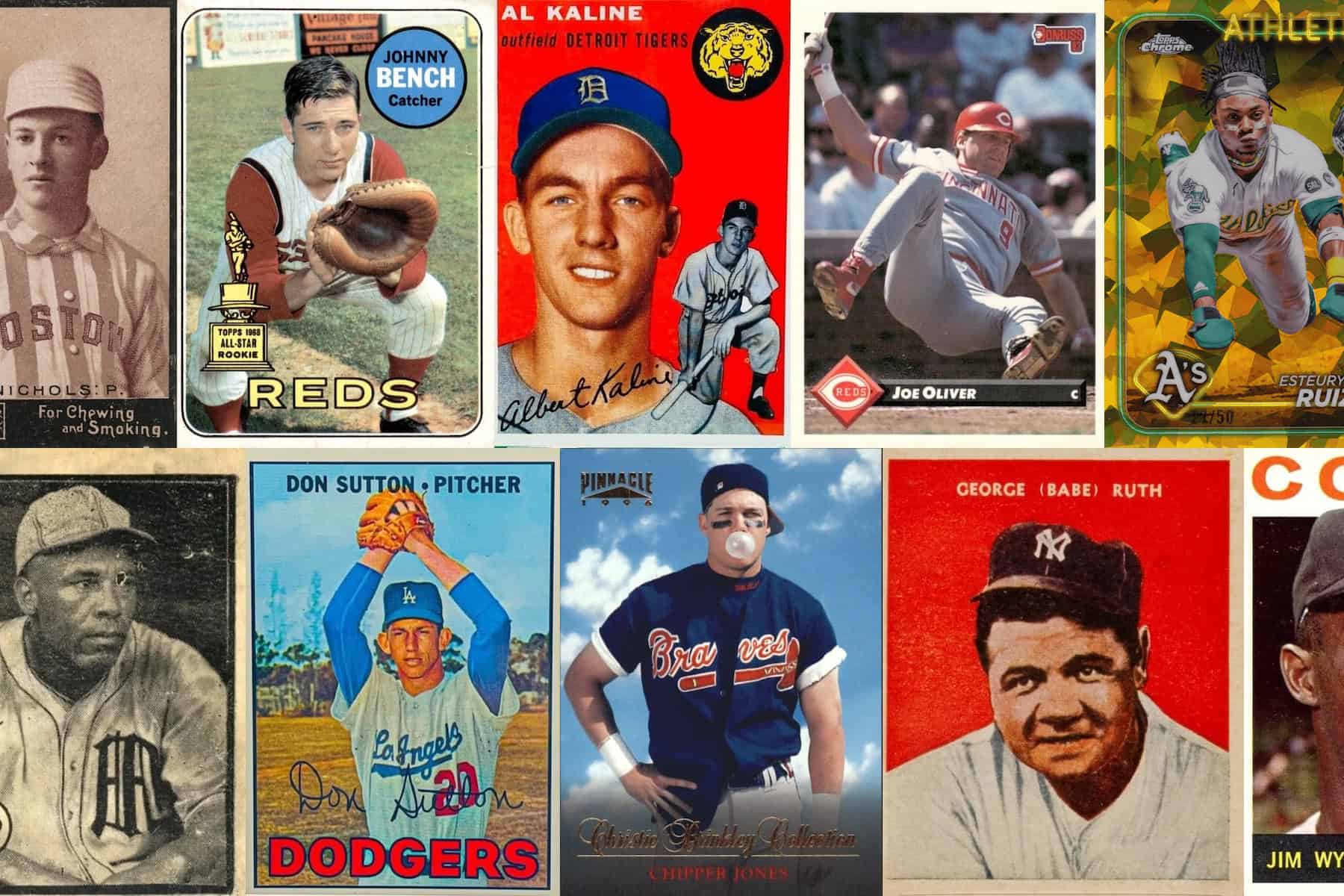
If you love a team, there is no more personal way to celebrate that connection than building a collection around it. Team-specific baseball card collecting is one of the most rewarding paths in the hobby, and it is more approachable than you might think. You do not need to chase every hot card on the…
-
“Pack Searching” and its Impact on Baseball Card Collecting
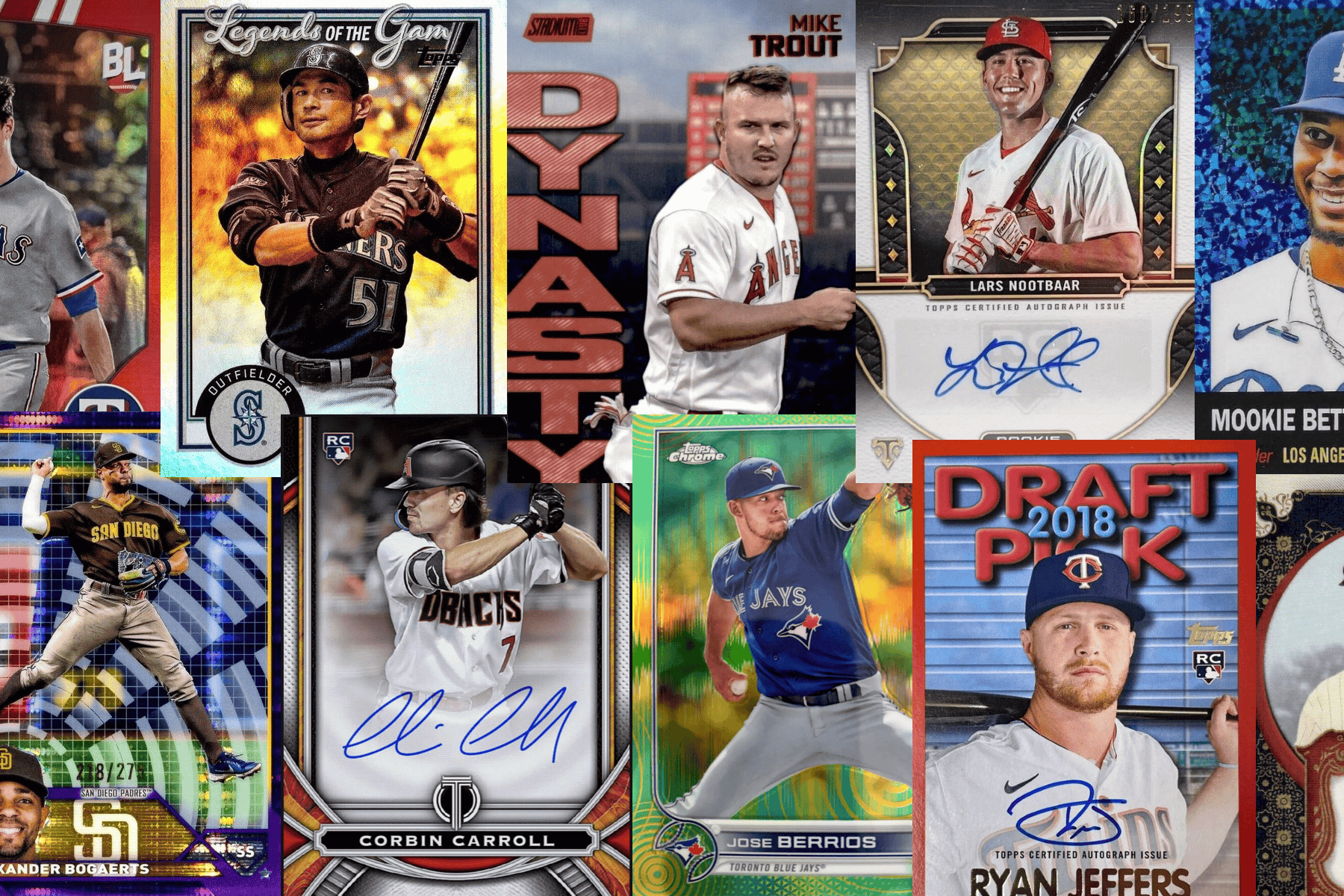
“Pack searching” sits at the intersection of probability, human behavior, and the evolution of baseball card manufacturing. Most collectors have heard the term, but fewer understand how it actually works or why it still sparks debate. At its core, pack searching describes attempts to identify valuable packs without opening them. That goal may sound simple,…
-
1939 Play Ball: Inside Story

The year 1939 holds a special place in baseball history. Joe DiMaggio was in his prime. Ted Williams was making his major league debut. And a Philadelphia-based gum company was about to release one of the most beloved card sets of the pre-war era. The 1939 Play Ball set arrived at a time when the…
-
5 Baseball Card Supplies Every Collector Needs
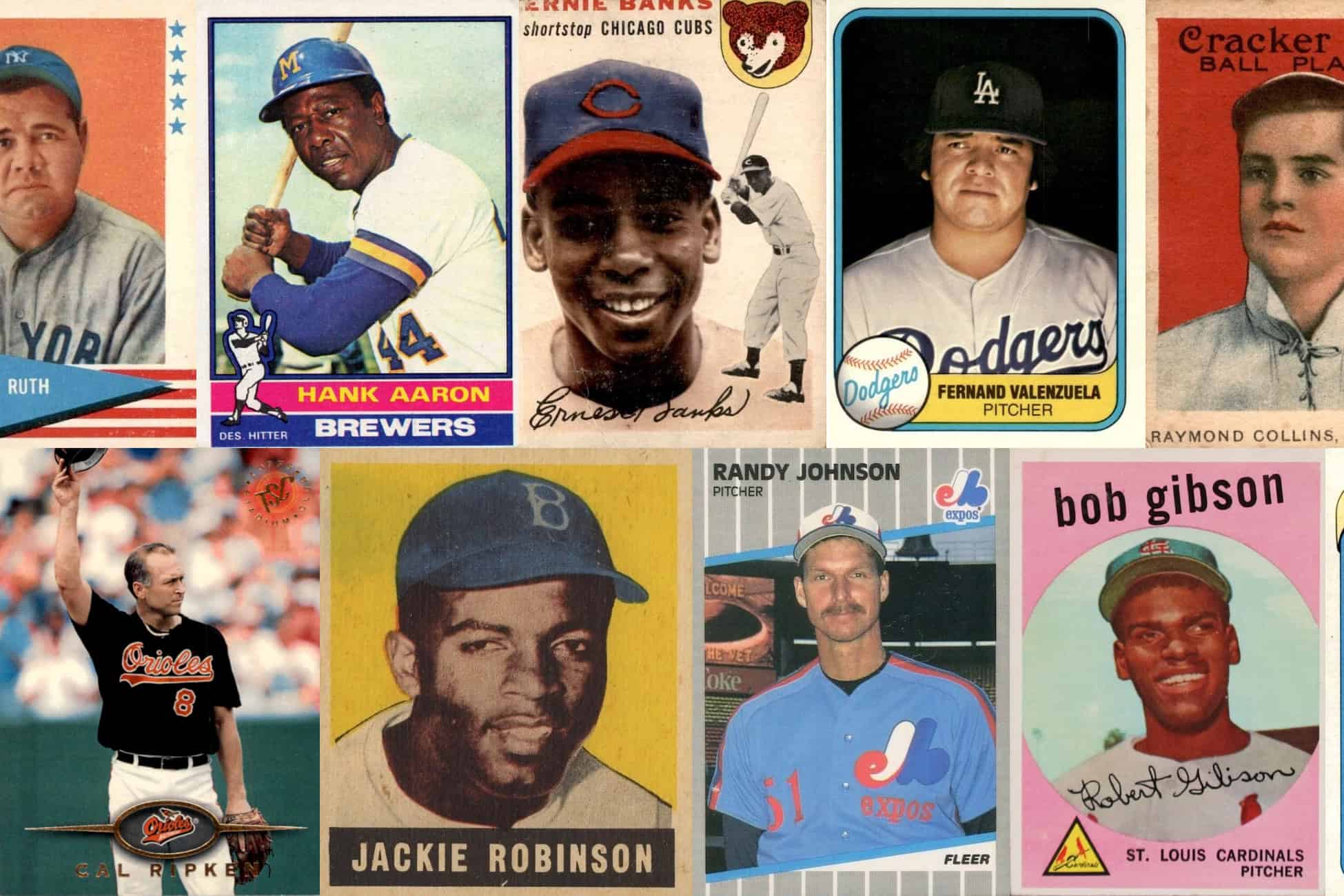
Whether you just cracked your first hobby box or you have been collecting for years, protecting your cards is just as important as finding them. A great pull means very little if it ends up bent, scratched, or yellowed from improper storage. The good news is that keeping your collection in top shape does not…
-
Pulse Baseball Cards: The Hobby’s Newest Brand
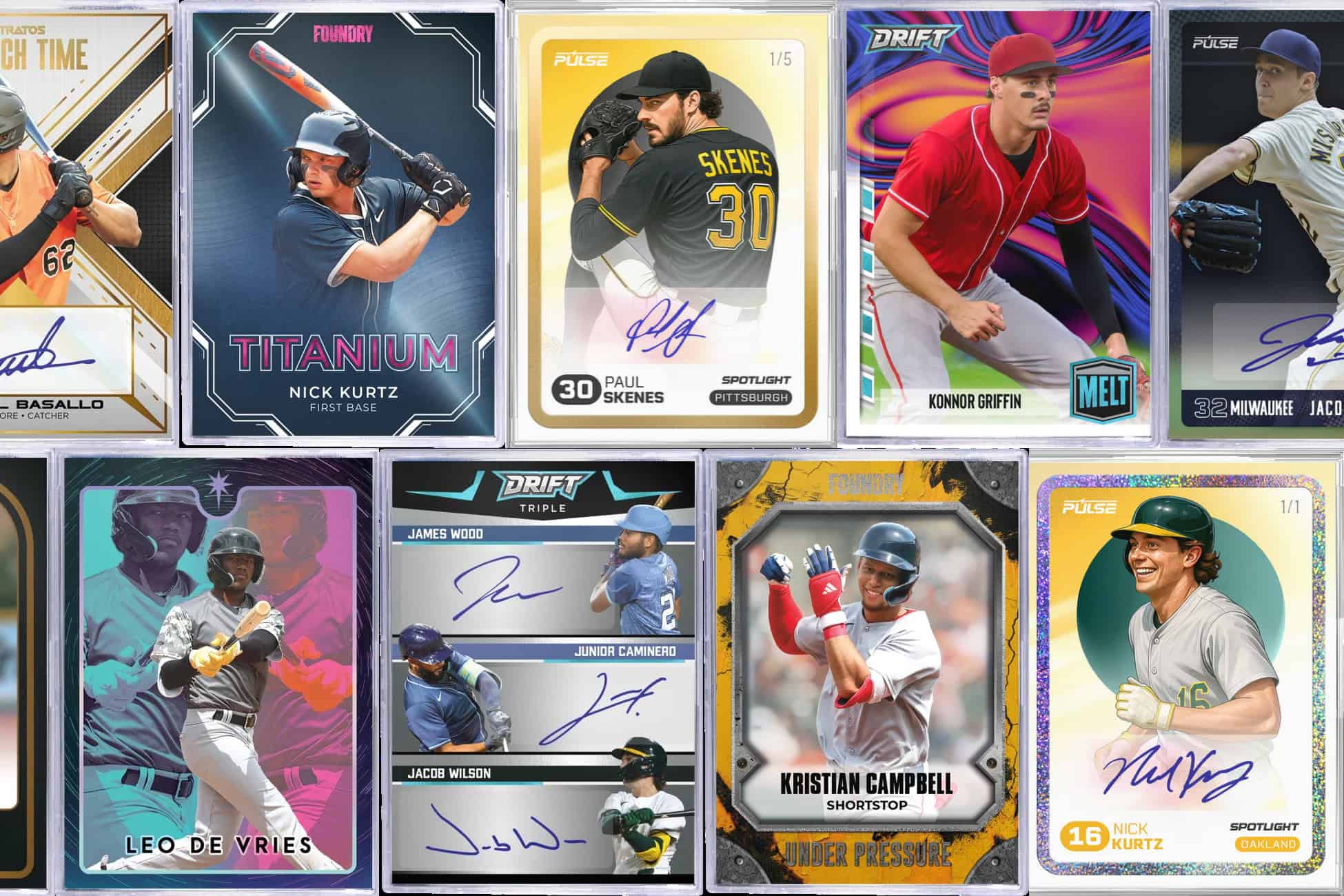
If you’ve been browsing the card aisle at your local hobby shop lately, you may have spotted a relatively new name on the shelf: Pulse. With bold designs, autograph-heavy boxes, and a collector-first philosophy, Pulse Baseball cards have made a genuine splash since their debut in 2024. For collectors who are curious but not quite…