
Shopping for baseball cards has never offered more options. You can rip packs from Target, order hobby boxes from Fanatics, or bid on eBay from your couch. Now Temu has joined the mix. The popular shopping app features plenty of baseball card listings, from sealed boxes to player lots to storage supplies. All those listings raise a fair question: are Temu baseball cards fake?
The honest answer is that it depends on the listing. Some products are genuine. Others are custom or reprint cards that never claim to be official. And some are counterfeits designed to pass as the real thing.
This guide walks through what Temu sells and how the platform works with its sellers. It also covers practical ways to tell real cards from fakes, plus a simple pricing rule that catches most problem listings. With a little know-how, you can shop any marketplace with confidence.
What Does Temu Sell?
Temu is a large online marketplace owned by PDD Holdings. It launched in the United States in 2022 and grew quickly thanks to low prices across nearly every category. Home goods, clothing, electronics, toys, and collectibles all share the same storefront.
Baseball card listings on Temu tend to fall into a few groups:
- Sealed product, such as packs, blasters, mega boxes, and hobby boxes with familiar brand names
- Card lots, which bundle dozens or hundreds of loose cards together
- Custom and reprint cards, often featuring star players in eye-catching designs. You’ll also see plenty of novelty graded slabs.
The final group is supplies. Penny sleeves, toploaders, magnetic holders, binders, storage boxes, and display stands all appear in large numbers. These items don’t raise authenticity concerns, so they’re one of the easiest categories to shop on the platform.
Because the selection is so broad, one search can turn up a genuine box and a questionable one side by side. That’s why it helps to understand who actually sells each item.
Is Temu Affiliated With Its Sellers?

Temu operates as a marketplace, much like Amazon or eBay. It provides the app, the checkout, and customer support, while outside merchants supply the products. Temu doesn’t manufacture baseball cards.
The platform runs two main seller models. In the original fully managed model, Temu handles pricing, shipping, and customer service for goods that mostly come from overseas suppliers. In 2024, Temu opened its marketplace to U.S.-based sellers. These merchants keep inventory in domestic warehouses, set their own prices, and ship orders themselves. As a result, some card listings now arrive in days rather than weeks.
For collectors, the key point is simple. The Temu name tells you where you’re shopping, not who made the product. Every listing comes from a specific seller, and quality varies from seller to seller. A reputable U.S. merchant with real sealed boxes might appear right next to a listing for unlicensed reproductions.
This setup isn’t unique to Temu. Every open marketplace works this way, and experienced collectors already judge eBay listings one seller at a time. Bringing that same habit to Temu is the best way to shop smart.
Counterfeit vs. Custom and Reprint Cards
Not every unofficial card is trying to fool anyone. Understanding the difference between customs, reprints, and counterfeits helps you read listings with a clear eye.
Custom and Reprint Cards
Many listings openly describe their cards as custom, reprint, or novelty items. You might find Shohei Ohtani in a flashy fantasy design or a recreation of a famous rookie card. Some include facsimile autographs, which are printed signatures rather than real ink.
These cards can make fun display pieces or inexpensive gifts. They aren’t licensed products, though, and they carry little resale value. Look for words like “custom,” “RP,” “reprint,” “novelty,” or “facsimile” in the title and description. When a seller uses those terms clearly, you know exactly what you’re getting.
Counterfeit Cards
Counterfeits are a different matter. These cards and boxes copy genuine products and present themselves as the real thing. A fake Topps Chrome box might feature a convincing logo, familiar artwork, and the correct year. The cards inside may look right at a glance but fall short under closer inspection.
Some listings land in a gray area. A seller might show official product photos while shipping reprints. Others tuck the word “reprint” deep in a long description. When a listing mixes official branding with vague wording, give it extra scrutiny.
The goal isn’t to avoid every unusual listing. It’s to know exactly what you’re buying before you pay.
Heavily Discounted Cards Are a Red Flag

Price is the fastest screening tool a collector has. A quick comparison can steer you away from most problem listings before you ever inspect a card.
How Pricing Works
Modern sealed baseball products carry a fairly consistent market price. If a Topps mega box costs $50 at Fanatics, Target, Walmart, and your local card shop, then $50 is the going rate. Retailers compete on price, but they all buy from the same manufacturers at similar costs. None of them can sell a genuine box for a fraction of that price and stay in business.
So when a listing offers that same $50 box for $12, the math doesn’t work. The most likely explanation is that the product isn’t genuine. Heavily discounted modern, name-brand cards are one of the clearest warning signs in the hobby.
Can Deep Discounts Happen?
Counterfeiters skip the costs that genuine products carry. They pay no licensing fees, and they don’t meet the same printing standards. They can also produce them in any volume they wish, because they aren’t beholden to the original manufacturer’s checklist. That lets them list fake boxes at prices no real retailer can touch. Licensed products from Topps and other manufacturers simply cost more to produce and distribute.
Compare Retailers
Prices vary by format, so compare the exact product. A blaster, mega box, hobby box, and single pack all sell at very different price points. Popular hobby boxes also tend to sell above their original price on the secondary market.
A small discount from a legitimate seller isn’t cause for alarm. Promotions, clearance sales, and shipping differences all move prices a little. The real concern is a steep markdown that no established retailer can match.
Before you buy, check a few sources. Look at major retailers, online card shops, and recent eBay sold listings for the same product. If the Temu price lands in the same neighborhood, great. If it sits far below everyone else, keep scrolling.
Card Lots and Mystery Boxes

Card lots and mystery boxes are popular listings on Temu, and they can be a fun way to add volume to a collection. They also call for a bit of extra attention.
A legitimate lot of commons or team cards can be a great value. However, some lots mix genuine base cards with reprints of stars. The listing photos might show a famous rookie card on top of the stack, while the actual contents look quite different. Read the description closely and check whether the seller promises specific cards or a random assortment.
Mystery boxes often advertise guaranteed hits, autographs, or graded cards. Run the numbers here, too. If a box promises a superstar autograph for less than the cost of a retail blaster, that value probably isn’t real. Buyer photos and reviews help a lot with these listings, since they show what people actually received.
Treat lots and mystery boxes as entertainment rather than investments. If the price feels fair for the fun of opening them, enjoy the rip.
How to Spot Fake Baseball Cards
Even with a smart price check, it helps to know what genuine cards look and feel like. These checks work for cards from any source.
Inspect the Packaging
Start with the box or pack itself. Genuine products use sharp printing, clean folds, and consistent colors. Pack wrappers have neat, even crimps along the seams, and the plastic is tight. Fuzzy logos, misspelled words, or flimsy boxes all deserve a second look. Compare the packaging against official product photos from the manufacturer or a major retailer.
Check the Print Quality
Next, examine the card’s image and text. Authentic cards show crisp player photos and razor-sharp fine print. Counterfeits often look slightly blurry, as if someone scanned and reprinted the original. Colors may appear washed out or oddly saturated. A cheap jeweler’s loupe or your phone’s camera zoom makes these details easy to see.
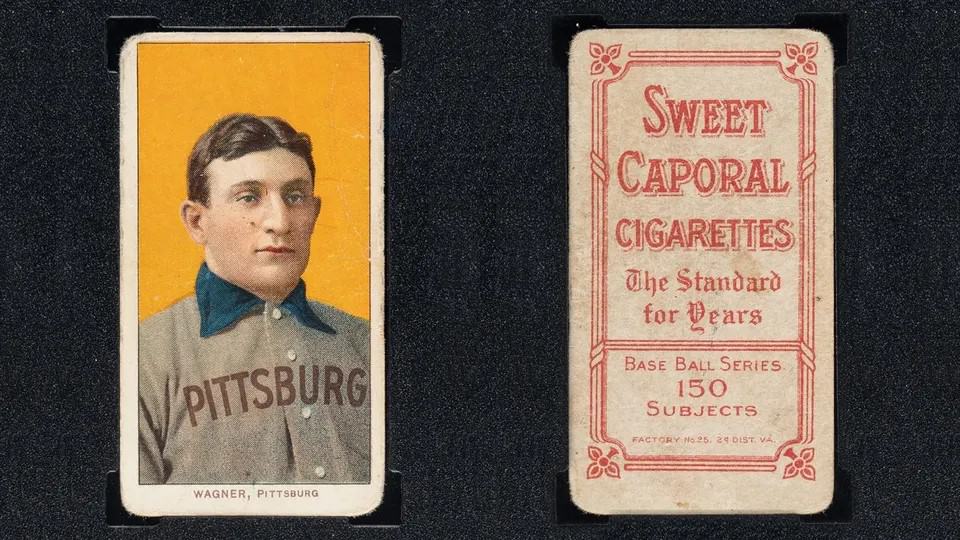
One recent, albeit extreme, example is a recent T206 Honus Wagner card that was for sale on a marketplace website. The card was well worn and looked “good” (the industry term for “real”) but, upon zooming in, the card exhibited a type of dot-based printing that wasn’t in existence in 1909. Sometimes it really does take a very close look to determine if a card is real.
Feel the Card Stock and Finish
Your fingers can catch what your eyes miss. Genuine cards have a specific thickness, stiffness, and surface feel for each product. Chrome cards have a distinctive metallic shine, and refractors show a rainbow effect when you tilt them in the light. Counterfeit chrome often looks flat or glossy in the wrong way. Fake cards may also feel thinner, bend more easily, or let more light pass through.
Watch for Too Many Hits
Real packs follow set odds for parallels, autographs, and numbered cards. If a low-cost box delivers several serial-numbered parallels and a superstar autograph, be skeptical. Great pulls do happen, but a box that beats the odds by a wide margin deserves a closer look.
Novelty Slabs and Graded Cards
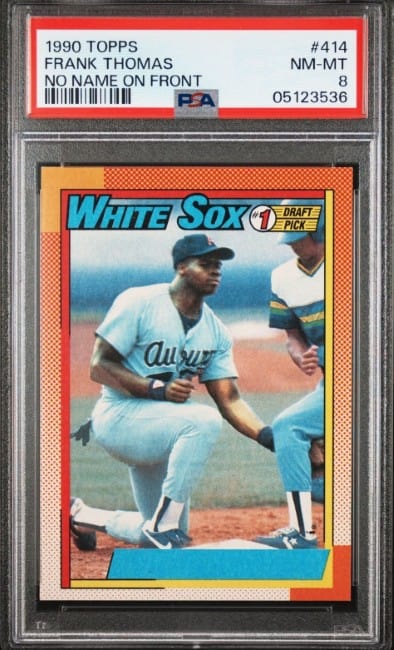
Graded slabs show up often in Temu searches. Many are novelty or “vanity” slabs meant for display, and some hold reproduction cards. Empty magnetic cases and display slabs are also common, and they work great as supplies.
The key is to remember that a plastic case doesn’t make a card authentic. Genuine slabs from grading companies like PSA, SGC, and Beckett carry a certification number on the label. You can enter that number on the grading company’s website to confirm the card, grade, and label details. If the lookup doesn’t match, or the listing doesn’t name a real grading company, treat the slab as a novelty item.
How to Buy Baseball Cards Safely

A few simple habits will protect you on Temu and any other marketplace.
- Read the full listing. Scan the title and description for words like “custom,” “reprint,” “RP,” “novelty,” or “facsimile.”
- Review the seller. Look at ratings, order history, and whether the seller ships from a U.S. warehouse.
- Pay with a protected method. Credit cards and similar payment options add another layer of dispute protection.
- Open products on camera. Recording your unboxing gives you clear evidence if something seems off.
- Know your rights. Temu’s purchase protection program covers most items for 90 days after purchase.
- Don’t resell counterfeit cards as genuine. If you decide to keep them, label them clearly as reproductions. That small step keeps the hobby honest for everyone.
Final Thoughts on Temu Baseball Cards
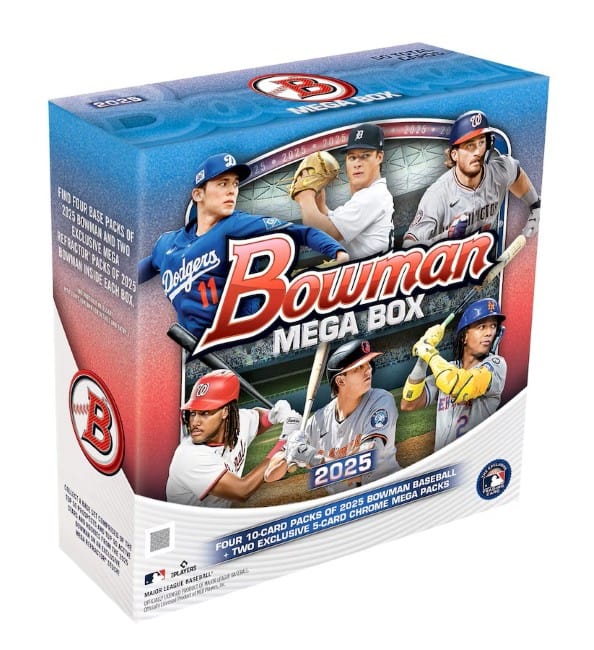
So, are Temu baseball cards fake? Some are, some aren’t, and many are openly sold as customs or reprints. Temu works as a marketplace, so every listing depends on the seller behind it. The platform can be a great source for supplies and a reasonable place to compare prices on sealed products.
The most powerful tool you have is the going rate. When a modern, name-brand box costs the same at Fanatics, Target, and Walmart, that price tells you what the product is worth. A listing far below that number deserves a hard pass. Pair that price check with a quick look at packaging, printing, and card stock, and you’ll catch nearly every fake.
Smart shopping habits make every marketplace a safer place to collect. Read listings carefully, buy expensive products from trusted sources, and keep your records handy. Then get back to the best part of the hobby – opening packs and building a collection you love.