

Baseball autograph collecting is nearly as old as the game itself. Since the beginning, acquiring a player’s signature has been a popular way to “own” a piece of that player, and of baseball more broadly. In today’s modern collecting landscape, certified autographs now receive most of the attention. They’re frequently inserted into baseball card packs and are some of the most valuable cards around. Meanwhile, an in-person autograph is a signature obtained directly from a player, outside of any manufacturer’s controlled signing process. Because no manufacturer oversees an in-person signing, the item carries no built-in certification, which raises different authenticity questions than a pack-pulled auto.
This article covers how collectors establish authenticity for in-person autographs, including what COAs do and do not guarantee, how hologram and UV ink systems work, how major authentication companies differ in approach, and where collectors typically obtain in-person signatures across vintage and modern eras.
In-Person Autographs vs. Certified Pack-Pulled Autos
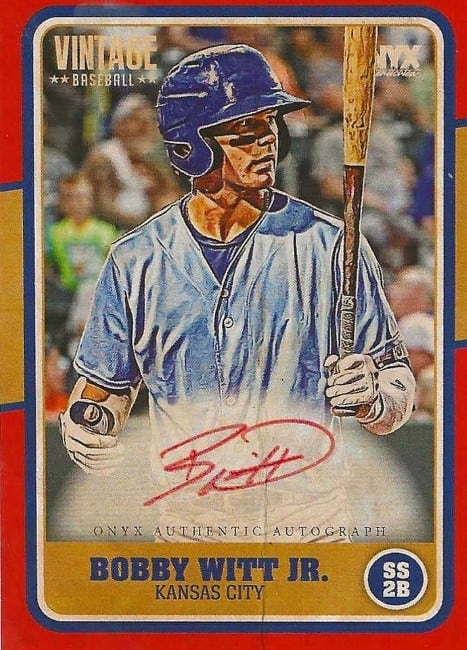
Manufacturers such as Topps, Panini, and Upper Deck sign certified autographs under controlled conditions and package them with built-in documentation. The card company witnesses the signing and tracks the player and set details. It often includes a printed certification directly on the card. This process gives collectors confidence right out of the pack.
In-person autographs work differently. A collector brings their own item, such as a raw card, a photo, or a piece of memorabilia. The player signs it outside of any manufacturer oversight. No company tracks the moment, and the item receives no serial number at the point of signing. No built-in paper trail exists either. The signature itself might be completely genuine, but proving that to a future buyer or grading service requires extra steps.
This distinction matters most when it comes time to sell or grade an item. A certified auto typically carries its authenticity with it. An in-person auto relies on the collector to build a case. COAs, hologram systems, and other verification tools come into play here.
Why Authenticity Is Harder to Prove In Person
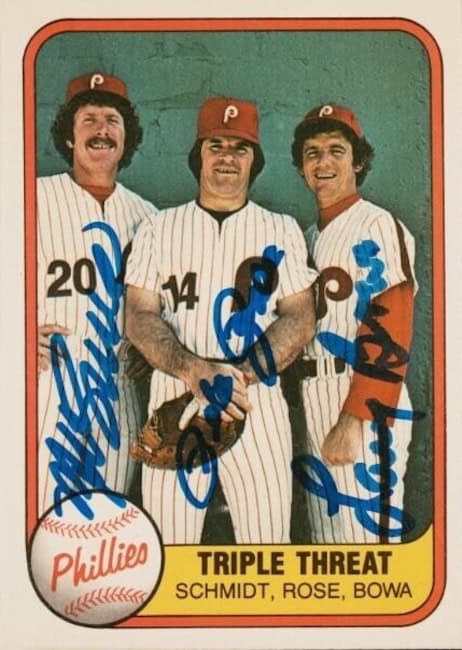
The core challenge with in-person autographs is that the moment of signing usually has no independent witness beyond the collector. Even when the signature is completely legitimate, nothing inherent to the card proves when, where, or who signed it. This creates an opportunity gap that forgers have exploited, since a skilled reproduction can look convincing to an untrained eye.
Collectors address this gap in a few common ways. Some collectors witness and document the signature immediately, using photo or video evidence from the signing itself. Others bring the item straight to a professional authenticator after the signing, sometimes within the same event. This way, the item never leaves a documented chain of custody. Many major card shows and private signings now build this step directly into the experience by offering on-site authentication.
The strength of an authentication claim usually depends on how quickly and thoroughly the collector documented the moment. A private signing with a witnessed process and immediate certification produces a far more trustworthy signature. A casual encounter with no documentation carries much less confidence. This is why the following sections on COAs, holograms, and UV ink matter in the modern in-person autograph hobby.
Certificates of Authenticity Explained
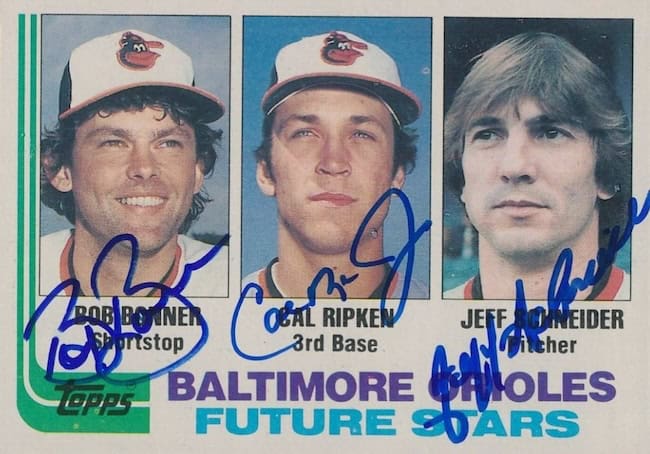
An authenticator issues a certificate of authenticity, commonly called a COA, after reviewing a signature and judging it genuine. A good COA includes details such as the player’s name, a description of the item, and a matching serial number. It sometimes includes a photo of the actual signature for comparison.
It helps to understand what a COA can and cannot do. A COA reflects the professional opinion of the authenticator who examined the item. This opinion rests on signature comparison, ink analysis, and often direct witnessing of the signing. It is not a legal guarantee in the way a warranty might be. Reputable authentication companies stake their reputation on consistent, careful review. This is why collectors place significant trust in a trusted COA.
Not all COAs carry equal weight in the hobby. Collectors generally view a COA from a well-known, established authenticator as far more reliable. A COA from an unfamiliar or unverifiable source carries much less weight. Because of this, experienced collectors often research the issuing company before relying on a COA, especially for a higher-value purchase. A quick way to build confidence is checking the authenticator’s hologram number through that company’s online registry. Most major services now provide this kind of registry.
Collectors buying an already-signed item from a secondary market seller should always ask two things. Does the item include a COA, and which company issued it? A missing or vague COA is one of the most common red flags in in-person autograph transactions. Asking about it upfront saves time and protects against disappointment.
Hologram Systems and Tamper-Evident Seals
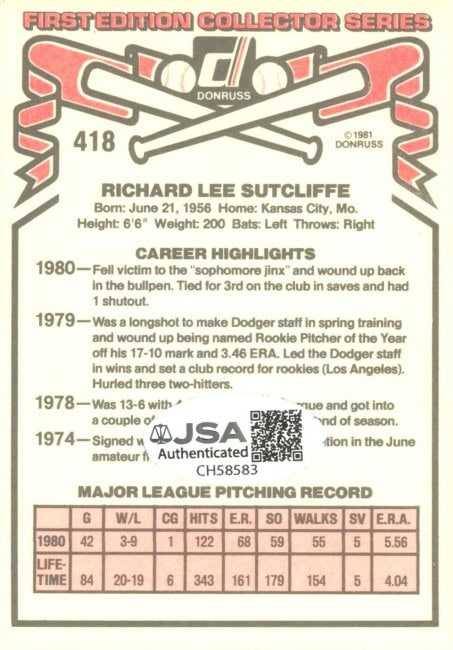
Hologram stickers have become one of the most recognizable tools in autograph authentication. The authenticator applies these small, uniquely numbered stickers directly to the item after confirming the signature. This creates a physical link between the card and its documentation. The authenticator registers each hologram number in its database. A buyer can look up that specific number and confirm it matches the item in hand.
The value of a hologram system comes from its tamper-evident design. Manufacturers build many holograms so that removing them damages the sticker or leaves visible residue. This design makes it difficult to transfer a hologram from one item to another. This design discourages fraud, since someone could otherwise lift a genuine hologram and reapply it to a forged signature.
Collectors should still exercise some care with hologram stickers. A hologram number that exists in a company’s database is a strong positive sign. Collectors should still confirm that the database description, such as player name and item type, matches what they are holding. Mismatched details between the hologram registry and the physical item are worth investigating further before completing a purchase.
Placement also matters for long-term collectibility. Authenticators generally try to apply holograms in a spot that documents the item without covering meaningful visual elements. These elements include the player’s image and key card details. Collectors who plan to submit an item for grading later should keep this in mind. Some grading companies have preferences about hologram placement and compatibility.
How Major Authentication Companies Differ
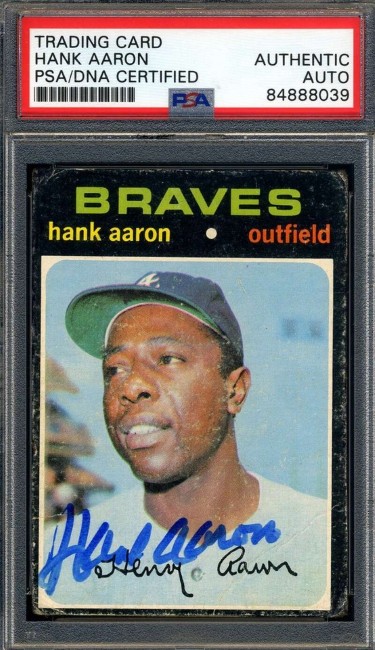
The hobby has a handful of well-known authentication companies, and each has built a reputation around certain strengths. Understanding these differences helps collectors decide which service best fits their needs, especially between a vintage and a modern signature.
PSA and JSA
Collectors widely recognize PSA for its large-scale, standardized approach to autograph authentication. Many also appreciate the accessibility of its online verification database. JSA has built a strong reputation particularly among collectors focused on vintage signatures. Its authenticators bring deep familiarity with older exemplars and historical signing patterns. Many collectors choose between the two based on which company has more reference material for a particular player or era.
Beckett and Other Services
Beckett Authentication Services combines autograph review with its broader grading operations. This appeals to collectors who want authentication and grading handled under one roof. Smaller regional or specialty authenticators also exist, and some focus on particular sports, eras, or types of memorabilia. These services can be valuable, though collectors should research their track record since name recognition varies widely across the hobby.
Opinions can occasionally differ between authenticators, especially on older or more difficult signatures. Because of this, some collectors ask more than one service to review a valuable item before making a final decision. This extra step is not necessary for most everyday purchases, but it offers additional peace of mind for higher-stakes items.
Where to Acquire In-Person Autographs
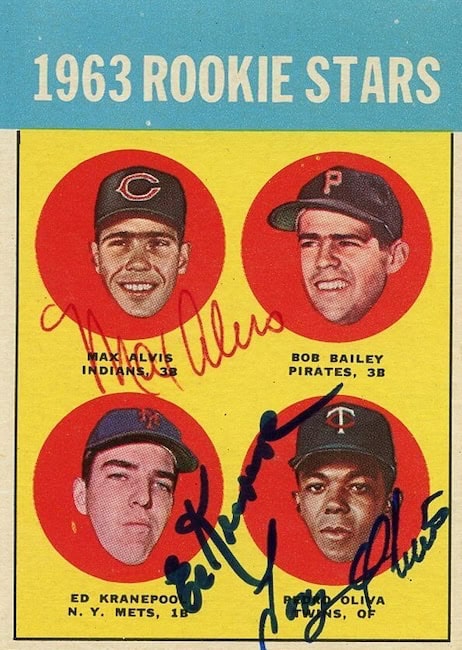
Collectors have several reliable paths for obtaining in-person autographs, and each comes with its own considerations for authenticity and experience.
Attending games remains one of the most classic ways to pursue an autograph. This might mean waiting near a stadium entrance, a spring training facility, or a team’s practice area. This approach offers a genuinely personal experience, though it comes with the least built-in documentation. Collectors who go this route should consider photographing or filming the moment. This simple step can support future authentication.
Card shows and conventions have become one of the most structured environments for in-person autographs. Many shows schedule official signing sessions with players. Professional authenticators often staff these sessions and certify each item on the spot. This combination of a controlled setting and immediate documentation makes card shows collector-friendly. They offer one of the best ways to build an authenticated autograph collection.
Memorabilia companies or dealers sometimes run private signings, another popular option. Organizers typically plan these events in advance, and the player signs a set number of items under supervision. The process usually includes authentication as a built-in step. Private signings can be a great choice for collectors targeting a specific player or a particular type of item. Examples include a rare vintage photo or a specific card design.
Team-run fan events and charity appearances also present opportunities, particularly for collectors interested in current rosters. These events vary in structure, so it helps to check in advance whether authentication will be available on site. Not all fan events include that service.
Vintage vs. Modern In-Person Autographs
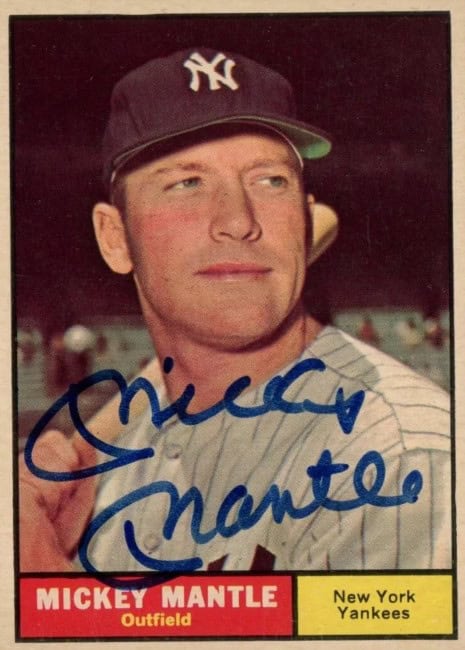
Pursuing a vintage autograph brings a different set of considerations than seeking a modern one. Many vintage players are no longer signing publicly. This means collectors obtained vintage in-person autographs in circulation years or decades ago, often without today’s authentication standards in place. This makes strong documentation and reputable authenticator review especially important for vintage purchases.
Signature comparison also plays a larger role with vintage items. Authenticators rely on a library of exemplars from a player’s career. They use this library to judge whether a signature is consistent with verified examples. This process can be more complex for players who signed relatively few documented items during their careers. Collectors interested in vintage signatures benefit from working with authenticators who have strong reference material for that specific era.
Modern autographs, by contrast, are easier to authenticate at the source, since someone can witness and document the signing immediately. The larger challenge with modern autographs tends to be access rather than authenticity. Popular current players often have limited availability for in-person signings. Card shows and private signings have become valuable for modern collectors because they combine player access with same-day authentication.
What to Check Before Buying an In-Person Autograph
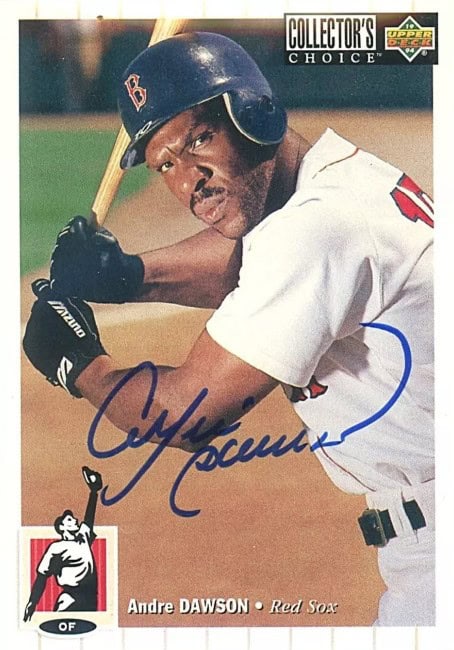
A little research before a purchase can prevent a lot of disappointment later. Collectors evaluating an already-signed item should consider the following:
- Confirm whether the item includes a COA and which company issued it
- Look up the hologram or certification number through the issuing company’s online registry
- Compare the seller’s description of the signing event with any documentation they provide
- Ask whether photos or video from the actual signing exist
- Research the authenticator’s reputation, particularly for the player’s era or sport
- Consider a second opinion from another authenticator for high-value items
Working through this kind of checklist takes only a few minutes. It can make a meaningful difference in confidence for collectors who are newer to the in-person side of the hobby.
Conclusion
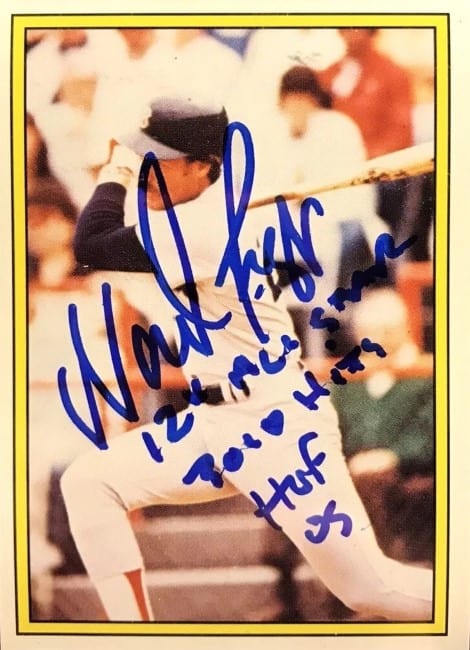
In-person autographs offer something that a certified pack-pulled auto cannot replicate: a connection between the collector and the signing itself. That personal element is part of what makes this corner of the hobby so rewarding. It also means collectors carry more responsibility for documenting authenticity than they would with a manufacturer-certified item.
Tools like COAs, hologram systems, and UV ink markers exist precisely to fill that gap. They give collectors a way to build a reliable paper trail around an item that otherwise has no built-in certification. Understanding how these tools work puts collectors in a much stronger position. The same goes for understanding how major authentication companies like PSA, JSA, and Beckett approach their reviews. This knowledge helps whether they are buying, selling, or simply enjoying their collection.
Collectors might pursue a modern star at a card show, or a vintage name through a private signing. Either way, the same principle applies. Strong documentation at the time of signing, paired with a reputable authenticator, turns a personal memory into a collection piece. That piece will hold its credibility for years to come.