
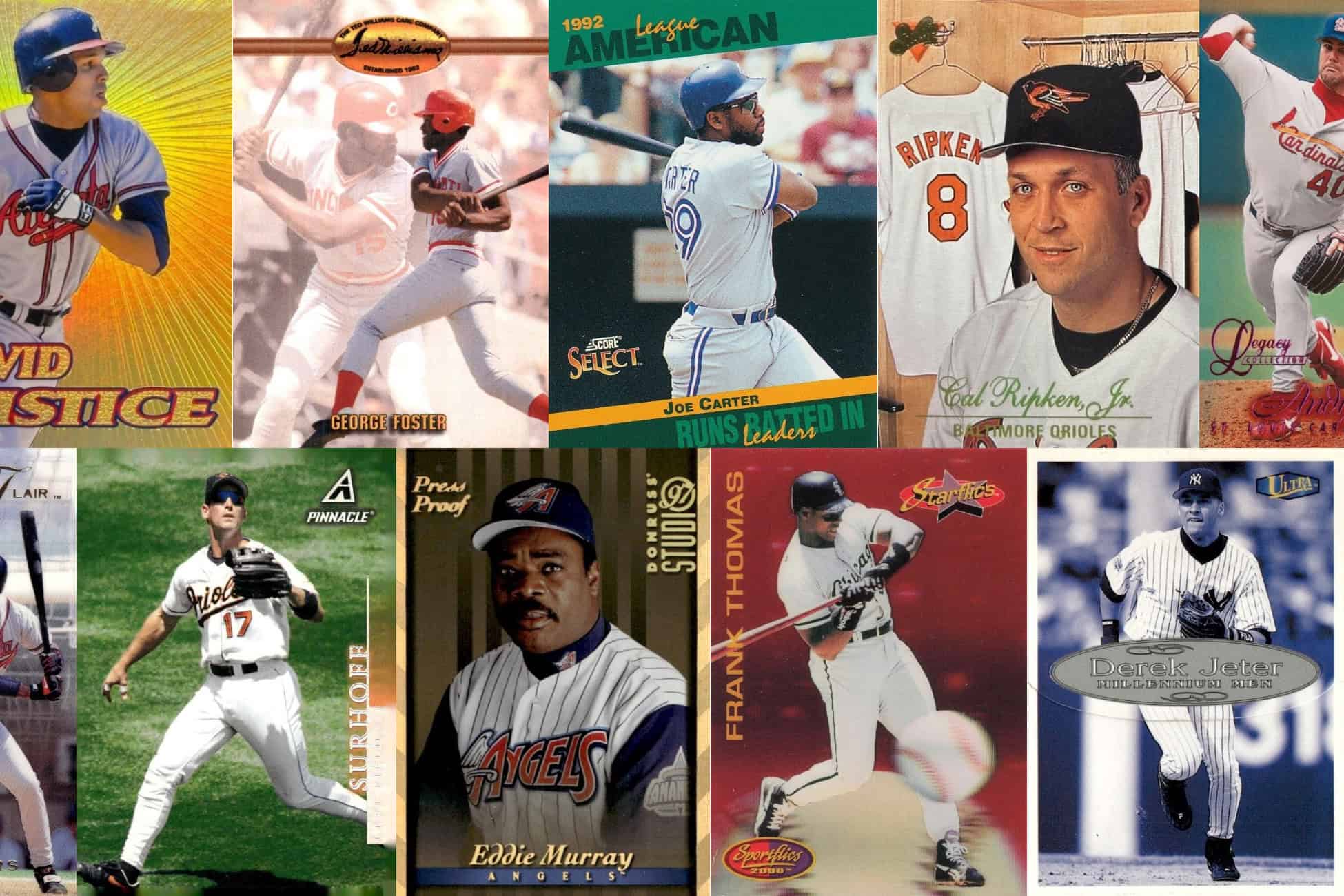
The 1990s were one of the most exciting and chaotic decades in the history of baseball card collecting. Topps, Fleer, Donruss, and Upper Deck held their familiar spots as the most popular 1990s baseball cards. But alongside those giants, a wave of other brands fought for shelf space, wallet share, and collector attention. Some of them tried bold ideas. Some of them signed deals with specific players. And some of them came up with entirely new ways to print a baseball card. Most of them are gone now – but their legacy deserves a closer look.
For collectors revisiting their old binders or hunting through box lots at card shows, these brands offer something that the major sets sometimes can’t: personality. The 1990s baseball cards from these overlooked manufacturers reflect a hobby in full creative bloom, one where companies were willing to experiment and take chances. Whether you are chasing a specific player, building a set, or just curious about the era, understanding these brands adds a whole new dimension to your collecting journey.
This guide spotlights six of the most interesting brands from that era – Pinnacle, Pacific, Score, Studio, Sportflics, and Select – and explains what made each one worth remembering.
Score
Score arrived in 1988 and spent much of the early 1990s positioned as a budget-friendly alternative to Upper Deck. That reputation sometimes overshadowed what was actually a well-designed set with strong photography and impressive checklists.
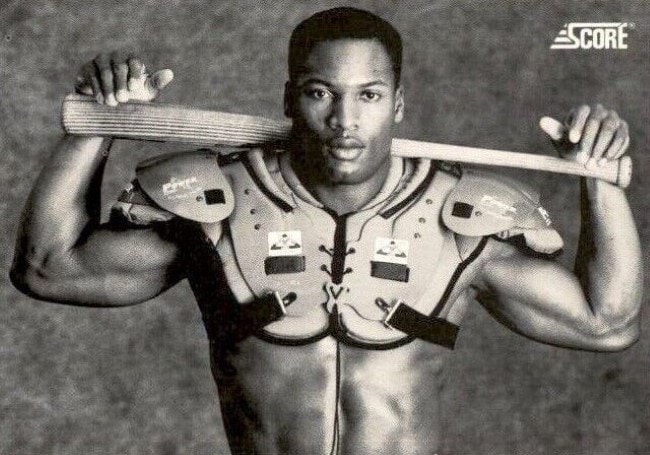
The 1990 Score set is the one that collectors still talk about most. It features one of the hobby’s most famous insert cards: a horizontal black-and-white image of Bo Jackson wearing shoulder pads and holding a bat. Jackson was at the peak of his two-sport fame in 1990, fresh off his Pro Bowl and All-Star appearances, and the image captured that singular athletic identity perfectly. It is one of the most iconic cards of the entire junk wax era.
A Strong Rookie Class
The 1990 base set also packed a remarkable rookie class into its 704-card checklist. Frank Thomas, Sammy Sosa, Juan Gonzalez, Bernie Williams, and Larry Walker all have rookie cards in the set. That is a Hall of Fame-worthy group of first-year cards, and they are all available at very affordable prices today. Score stayed in production through the 1990s and continued to improve its design and card stock as the decade progressed, even as it was eventually absorbed into the Pinnacle family of brands.
Pinnacle
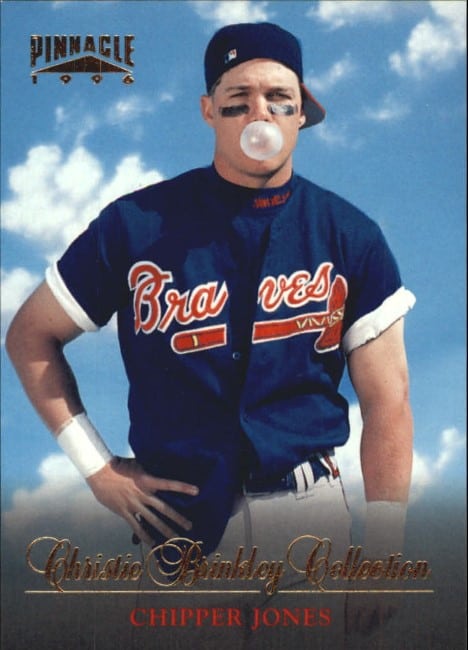
Score launched the Pinnacle brand in 1992 as a premium alternative to its flagship set. The inaugural release stood out immediately with its black-bordered design, high-gloss finish, and a built-in anti-counterfeit bar code that was unique in the hobby at the time. That security feature seems amusing today, but it showed Pinnacle was trying to be taken seriously as a premium product.
The 1992 set carried a strong rookie class. The Manny Ramirez rookie card is the most notable from that first release, and Jim Thome and Jeff Kent also appear as first-year cards. As the brand developed through the mid-1990s, Pinnacle added features like Artist’s Proof and Museum Collection parallels, which became genuine collector targets.
The Dufex Era
By the mid-1990s, Pinnacle introduced Dufex printing technology, a foil-based process that gave cards an almost holographic shimmer. The Team Pinnacle inserts used this technology to great effect and remain among the most visually striking cards of the decade.
The 1993 Pinnacle Derek Jeter #457 rookie card is the other major trophy from this brand. Its black-bordered design made the card condition-sensitive – even small dings show up easily on a dark border – which means high-grade copies are legitimately hard to find. That combination of player significance and condition challenge makes it one of the more interesting Jeter rookie cards to pursue. Pinnacle eventually folded in 1998 when parent company Pinnacle Brands declared bankruptcy, leaving behind a surprisingly rich catalog of cards.
Pacific
Pacific Trading Cards took a different path than most of its competitors. The company built its early 1990s reputation around a licensing deal with Nolan Ryan, producing multiple sets dedicated entirely to the Texas Express. The 1991 Pacific Nolan Ryan Texas Express set is a standout example, offering a deep look at Ryan’s career through dedicated photography and storytelling across the checklist.
The Flagship Arrives
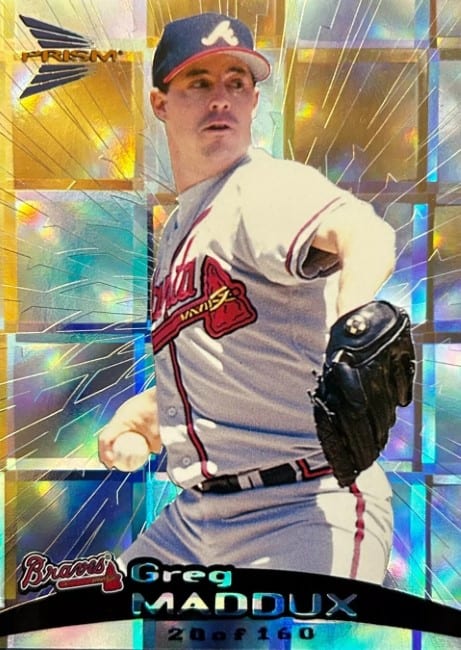
Pacific’s first full major league set launched in 1994. The brand quickly developed a reputation for vivid, colorful designs and a willingness to push the boundaries of card aesthetics. Pacific leaned into bold foil, die-cut inserts, and bright photography in ways that set it apart from more conservative competitors.
Pacific also distinguished itself culturally. The company produced sets in Spanish, making it one of the first card manufacturers to actively reach the Latino baseball fan base – a meaningful and forward-thinking move in a hobby that had largely overlooked that audience. Ken Griffey Jr. appeared prominently across Pacific products through the decade, and his cards from the brand’s various sets offer affordable alternatives to his pricier Upper Deck and Topps issues. Pacific continued producing cards until 2004, giving it one of the longer runs of any brand from this era.
Flair
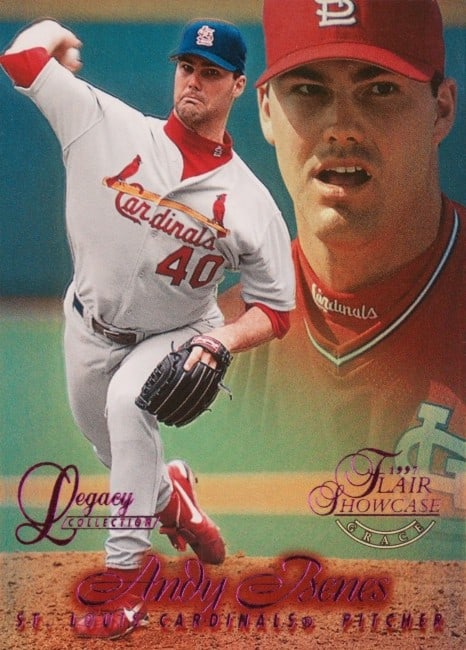
Fleer launched the Flair brand in 1993 as its entry into the super-premium market, designed to compete directly with Topps Finest and Upper Deck SP. The debut set made an immediate physical impression: the base cards were printed on 24-point thick card stock – by far the heaviest stock ever used on a trading card at the time – with a six-color printing process and a UV-gloss coating applied to both sides. Picking up a 1993 Flair card for the first time felt genuinely different from anything else in the hobby.
Each card featured two photographs on the front: a large background shot paired with a closer foreground image of the same player. It was a dual-photo presentation unlike anything competitors were offering, and the visual effect was striking. The set covered 300 cards and landed exclusively in hobby shops, which added to its premium appeal.
Flair Showcase and the One-of-One Era
By 1997, the brand relaunched as Flair Showcase with a bold new structure. The set was built around three parallel “Rows” of the same 180 players, each row featuring a different photograph and design. It was complex by the standards of the day, but collectors responded to the layered chase it created.
The more lasting legacy of 1997 Flair Showcase is its Masterpiece parallel – one of the first true one-of-one cards ever produced in the hobby. Each player’s card existed as a single unique copy, stamped on the back with the words “The Only 1 of 1 Masterpiece.” The concept sparked genuine debate at the time, with some collectors excited by the ultimate rarity and others frustrated that a single buyer could corner any player’s entire Masterpiece collection. Whatever the reaction, the idea stuck. One-of-one parallels became a hobby staple in the years that followed, and Flair Showcase deserves credit for introducing the concept.
Ted Williams Card Company
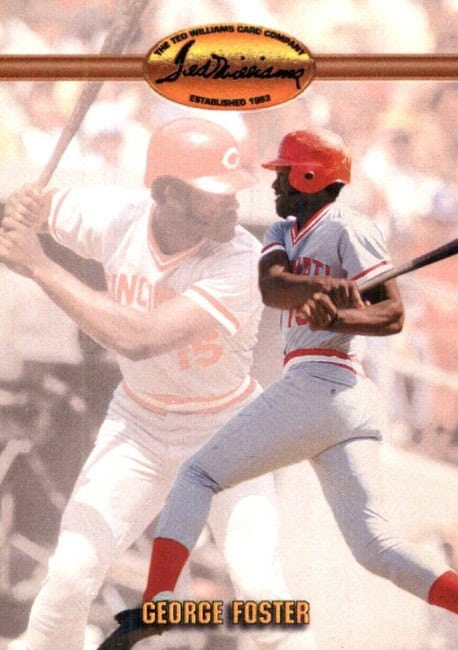
The Ted Williams Card Company had one of the most unusual origin stories of any brand from the 1990s baseball cards era. Ted Williams’s son, John-Henry Williams, launched the venture through his marketing company, Grand Slam Marketing, in 1993. The goal was straightforward: build a card brand around the Splendid Splinter’s legacy and his genuine passion for baseball history. The company secured an MLB license and produced just two years of baseball sets before dissolving in 1995, following a legal dispute between John-Henry and Upper Deck over Ted’s autograph rights.
That brief run produced something genuinely different from everything else on the hobby shelf at the time.
A Different Kind of Checklist
The 1993 set covered 160 cards and leaned almost entirely on retired players and historical figures rather than active stars. Each card featured a black-and-white player photograph layered over a larger ghost image of the same player – a design that felt more like a historical archive than a typical wax pack product. Ted Williams himself provided commentary that shaped the tone of the set, and the card backs offered biographical detail and storytelling rather than standard statistics.
The company capped production at 9,999 cases and included a serial-numbered certificate of authenticity in each box – a thoughtful touch for a brand built around history and credibility. Only two active players appeared in the 1993 release: Juan Gonzalez and Jeff Bagwell.
The 1994 follow-up shifted focus toward prospects and minor leaguers under the theme “Hot Prospects in the Minors,” while maintaining the brand’s commitment to historical subsets. A 17-card Negro Leagues subset appeared again, developed with input from noted baseball historians. The All-American Girls Professional Baseball League also received dedicated cards – coverage that most mainstream sets never came close to offering.
The Ted Williams Card Company lasted only two years, but it carved out a unique identity in a crowded market by treating baseball history as the main attraction rather than an afterthought.
Studio
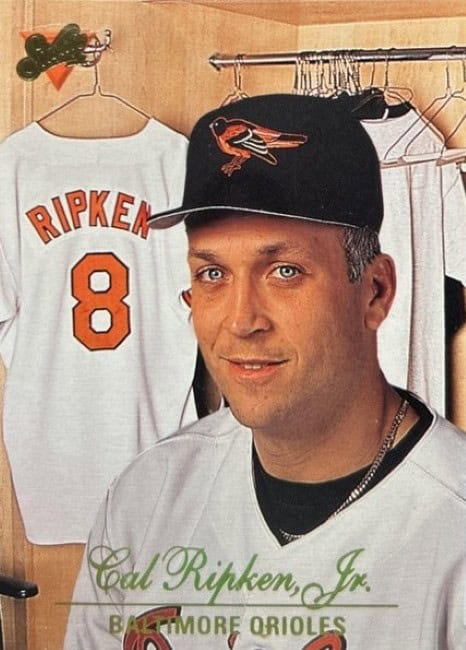
Studio arrived in 1991 as a Donruss brand unlike anything else in the hobby. Where other sets featured action photography, colorful borders, and career statistics on the back, Studio did something completely different: black-and-white portrait photography shot in a controlled studio environment, paired with biographical trivia rather than stats. The result looked more like a magazine spread than a baseball card.
That first 1991 set covered 264 players and gave collectors a chance to see the human side of the players they followed. The portraits had a warmth and intimacy that action shots could not deliver.
Color and Growth
The 1992 Studio set shifted to color photography, which opened up even more creative possibilities. Heritage inserts appeared starting that year, offering retro-styled cards that ran through 1994. By 1994, Studio was featuring portraits set against players’ lockers, creating a behind-the-scenes feel that remained distinctive. Studio was never a big-money set – the values on most cards are modest today – but it holds genuine appeal for collectors who appreciate design creativity and want something different from the typical 1990s baseball cards experience. Ken Griffey Jr., Frank Thomas, and Cal Ripken Jr. all appear in Studio sets from the era, and their portrait-style cards look unlike anything else in a typical collection.
Sportflics
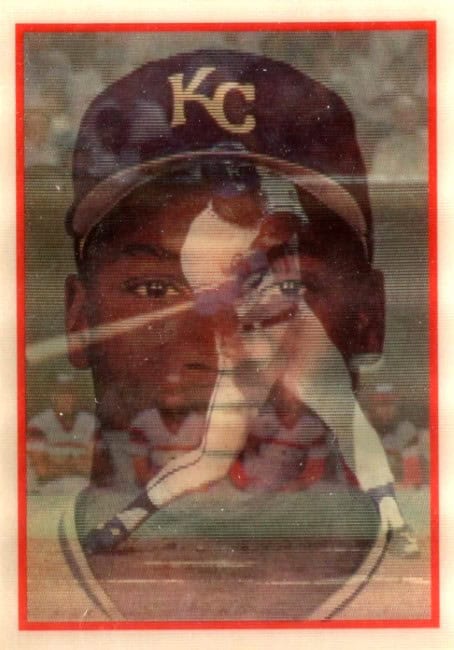
Sportflics originally launched in 1986 with a gimmick that actually delivered on its promise: lenticular “magic motion” technology that made cards appear to show multiple images depending on the angle. Early sets used this to show players in different poses or mid-swing sequences. By the time the 1990s arrived, Sportflics had refined the technology to create genuine 3D depth effects rather than simple image flipping.
The 1990 Sportflics set featured a strong checklist of established stars, including Cal Ripken Jr., Ken Griffey Jr., and Rickey Henderson. The technology was legitimately impressive for its time, and the cards remain a conversation piece in any collection simply because they look nothing like a traditional flat-printed card.
An Influence That Outlasted the Brand
Sportflics exited the card business by the mid-1990s, but its influence on the hobby was real. Other manufacturers took notice of the motion-card concept and developed their own lenticular and holographic products throughout the decade. The 1986 Sportflics set remains the most historically significant, featuring rookie cards of Barry Bonds, Jose Canseco, and Bo Jackson. For the 1990s collector, the Sportflics sets offer affordable fun – and the novelty factor holds up when you pull one of these out at a show and watch someone do a double take at the moving image.
Select
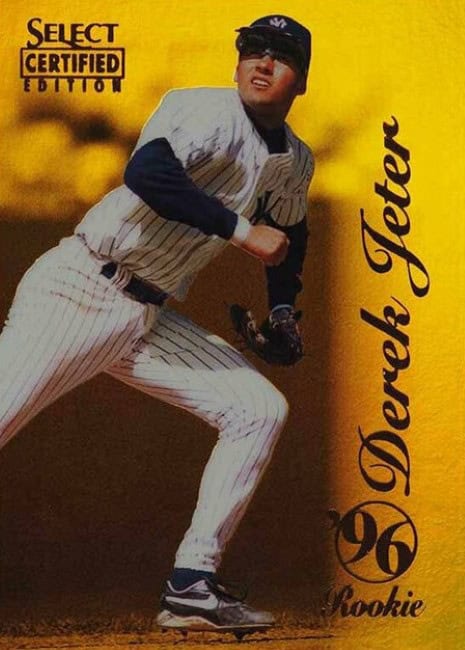
Fleer launched the Select brand in 1993, and its debut immediately caught the hobby’s attention. The design featured an unusual sky-and-clouds background on the Draft Picks subset cards, which gave the set a quirky, memorable visual identity. That aesthetic may sound odd in print, but it worked surprisingly well on the actual cards.
Select has gone through multiple ownership changes, from Fleer, Score and Pinnacle. It then went on a hiatus before Panini picked up the brand name for its modern cards. While modern Select carries the same name and premium reputation, today’s chromium cards, tiered base set, and extensive parallel lineup make it a very different product from its 1990s predecessor.
Building a Premium Identity
Select evolved through the mid-1990s into a more premium product. The 1996 Select Certified line included Mirror Gold parallels that are now considered some of the most desirable cards of the entire decade. The 1996 Select Certified Mirror Gold Derek Jeter sold for $288,000 in 2023, making it the most expensive 1990s baseball insert card ever sold – a remarkable legacy for a brand that many collectors have largely forgotten. The base Select product from 1993 to 1995 remains very accessible and offers a clean, professional look that has aged well.
Why These Brands Still Matter
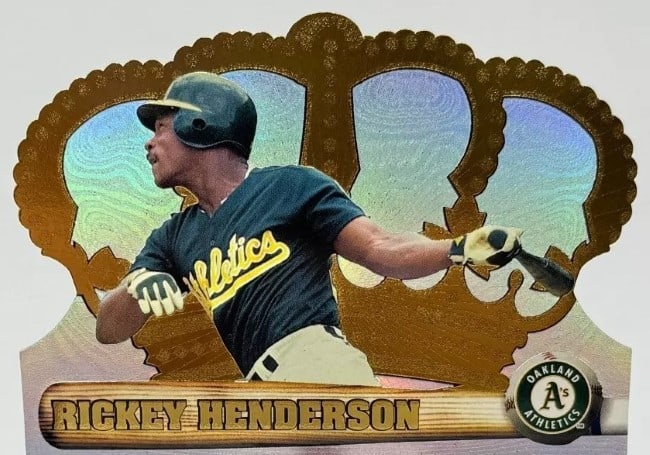
Rediscovering these forgotten manufacturers is one of the genuine pleasures of collecting 1990s baseball cards. Each brand brought something to the hobby that the bigger names did not always deliver – whether that was Pinnacle’s premium finish, Pacific’s cultural ambition, Score’s iconic photography, Studio’s portrait artistry, Sportflics’ motion technology, or Select’s design creativity.
For today’s collector, these sets offer tremendous value. Most cards from these brands are extremely affordable, which means you can build beautiful player collections or complete sets for very little money. A 1990 Score Frank Thomas rookie, a 1991 Studio Ken Griffey Jr. portrait, or a 1992 Pinnacle Manny Ramirez can all be found for just a few dollars each in raw condition. They also pair well with better-known sets from the same era, giving your collection more depth and variety.
The 1990s baseball card market was crowded, experimental, and endlessly inventive. These six brands helped shape what that decade looked like and felt like for collectors who were pulling packs at the time. Digging into them now is not just nostalgia – it is a chance to find some genuinely interesting cards at prices that are hard to argue with.