
Your first baseball card is a rush – a favorite team logo, a star rookie, a shiny parallel, or a pack ripped open at the kitchen table. If you’re wondering how to start baseball card collecting, the good news is you do not need to know every brand, checklist, or prospect ranking on day one. You just need a clear starting point that keeps the hobby fun and helps you build a collection you actually care about.
Baseball card collecting gets overwhelming when beginners try to learn everything at once. There are flagship releases, chrome products, autographs, relics, numbered cards, vintage legends, prospects, inserts, and enough hobby terminology to make any newcomer feel behind. The better approach is simpler. Start with what makes you excited to collect, then build from there.
Start with your kind of collection
The easiest way to enjoy the hobby is to choose a lane before you buy too much. That does not mean you are locked into one style forever. It just means your first purchases should have a purpose.
Some collectors build around their favorite MLB team. Others focus on one player, Hall of Famers, rookies, or a specific card brand. Parents often start by collecting favorite current stars with their kids because it creates an instant connection. Gift buyers usually do best when they begin with the recipient’s favorite team, since team loyalty is the fastest path to a meaningful collection.
Team-specific cards give a collection an identity right away, and every card feels connected instead of random. That also makes organizing, displaying, and adding new cards much easier over time.
How to start baseball card collecting without overspending
One of the biggest mistakes new collectors make is buying everything that looks cool – and it’s tempting! A lot of cards do look cool. But a little structure keeps the hobby exciting instead of chaotic.
Set a monthly budget before you buy your first pack or box. It can be modest. (In fact, that is usually better.) Collecting is more fun when you can pace yourself, learn what you like, and avoid the feeling that every release needs your attention.
Then decide how you want to spend that budget. Some collectors love the suspense of unopened packs. Others prefer curated assortments with a mix of stars, inserts, parallels, and guaranteed premium elements. Neither approach is automatically better. It depends on whether you enjoy the pure rip experience, the convenience of a ready-made collection, or a little of both.
For beginners, curated team-based or variety-style products can remove a lot of guesswork. Instead of trying to sort through dozens of brands and formats, you get a collection built to feel fun from the start. That’s especially helpful if you want cards from a favorite team or if you want a gift that feels personal without needing deep hobby knowledge.
Learn the card types that matter most
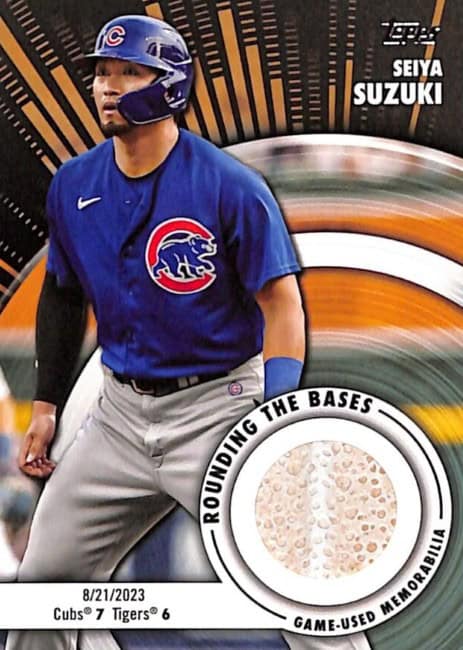
You do not need a glossary memorized, but you should know the basic categories you’ll see most often.
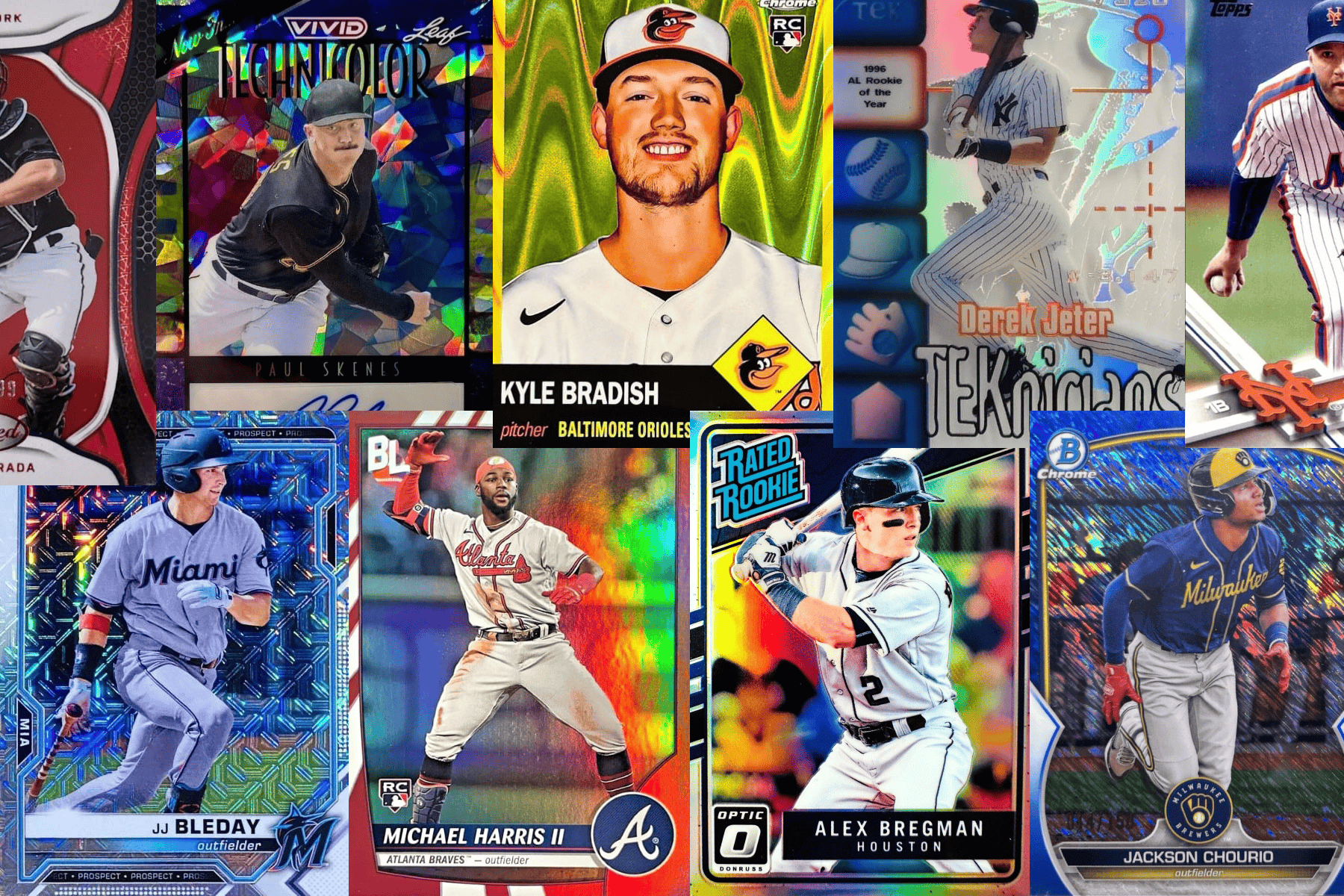
- Base cards are the standard cards in a set. They are the backbone of collecting and a great place to start. Inserts are themed cards added to a product with different designs or concepts, often with a more eye-catching look.
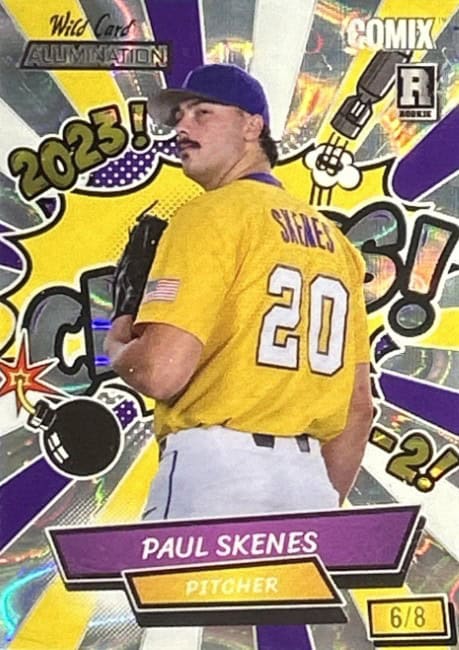
- Parallels are alternate versions of a card, usually marked by different colors, foil treatments, serial numbering, or print runs.
- Inserts are cards that are added to packs with known odds, such as 1 in 300 or 1 per box. They have themes, like “Power Players” or “Hometown Heroes” and feature only a small subset of players (usually the most popular).
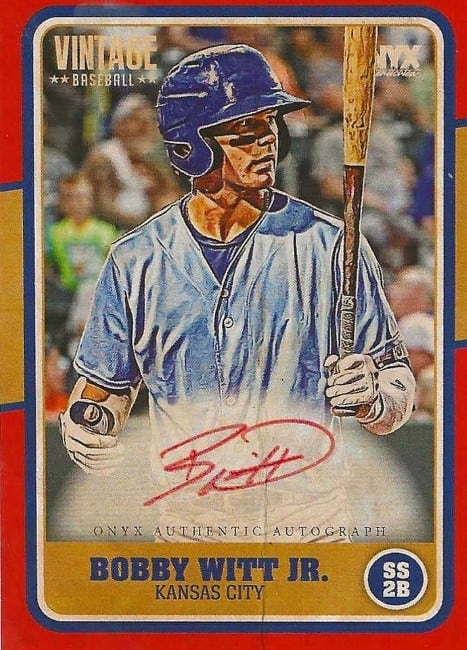
- Autographs are signed cards, either sticker autos or hard-signed cards.
- Memorabilia cards, often called relics, include a piece of jersey, bat, or other material.
- Prospect cards feature younger players who may become future stars
- Rookie cards are the first cards for a player on a major league roster, and they often get a lot of attention from collectors.
Knowing those terms helps you shop smarter, but it also helps you understand what kind of thrill you actually enjoy. Some collectors chase flashy inserts. Others want on-card autographs. Others are happiest building a binder full of players from one franchise across different eras. All of that counts.
Pick products that match your experience level
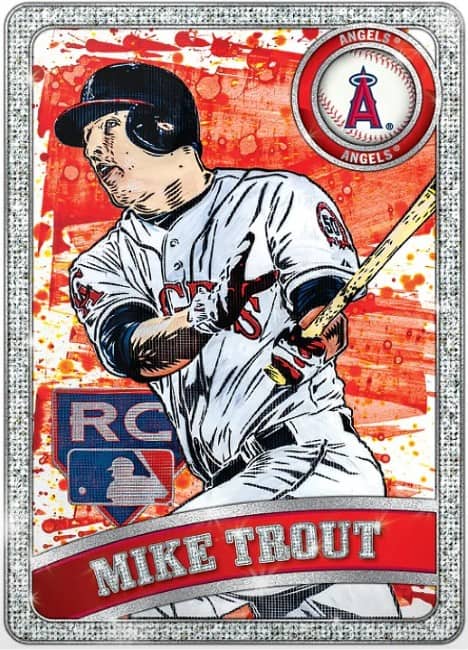
A common beginner question is whether to buy packs, boxes, singles, or mystery-style products. The honest answer is that each option has trade-offs.
Sealed packs are fun because of the rip. You get surprise, suspense, and the chance to pull something memorable. The trade-off is that results can be uneven, especially if you are hoping for specific teams or players. You may open a pack that contains a 1/1, or you may open a pack that only contains base cards. The odds are not often in your favor, unless you’re willing to pay higher prices for premium boxes.
Singles (a.k.a. individual cards) give you more control, but they require more product knowledge and a stronger idea of what you want to collect, so you can avoid overpaying. Purchasing singles can come later, when you’re more dialed into what you want to collect.
Curated baseball card boxes land in a nice middle ground for many new collectors. You still get the excitement of discovery, but with more direction and usually a more collector-friendly mix. If that box is built around your favorite team, the experience gets even better because the cards already fit your collecting goals.
This is also where a subscription can make sense. A recurring box keeps the hobby active without forcing you to research every new release. For busy adults, parents, and gift buyers, that convenience matters.
Storage is part of the hobby
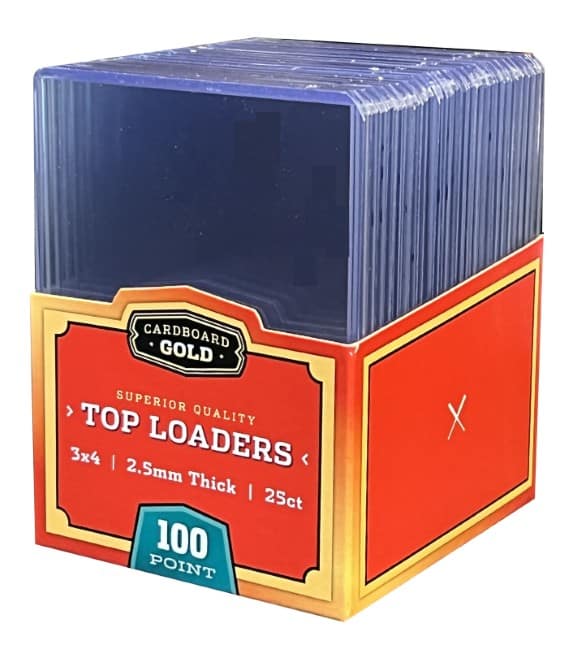
Nothing makes a new collection feel real faster than storing it properly. It also protects the cards you are excited about pulling.
At minimum, keep penny sleeves and top loaders on hand. Sleeves help prevent surface wear, and top loaders add structure for cards you want to protect more carefully. Binders work well for base sets, team collections, and favorite player runs if you like flipping through your cards. Card boxes are practical for larger collections that are still growing.
Condition matters, even if you are collecting mainly for fun. Corners, edges, centering, and surface issues can affect how a card looks and feels in your collection. Handle cards gently, keep food and drinks away from your sorting area, and do not stack premium cards loosely on a desk.
A little care goes a long way. It keeps your collection looking sharp and makes the hobby feel more intentional.
Beginner’s trap: Chasing everything
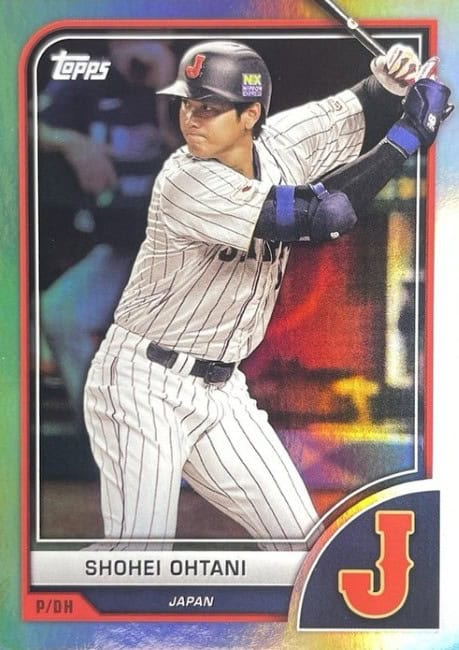
Baseball cards reward focus. If you try to chase every hot rookie, every parallel color (also called a “rainbow”), every product launch, and every insert set, you will burn out fast.
A better move is to create a simple collecting rule for yourself. Maybe you only collect your favorite team. Maybe you collect one star player, one prospect, and Hall of Famers. Maybe you save premium space for autographs and memorabilia cards while using binders for everything else. The rule itself matters less than having one.
This is especially helpful for parents collecting with kids. Kids love the surprise element, but they also enjoy a theme they can follow. A team binder, a favorite player page, or a stack of shiny inserts gives them something they can proudly build over time.
How to start baseball card collecting and keep it fun
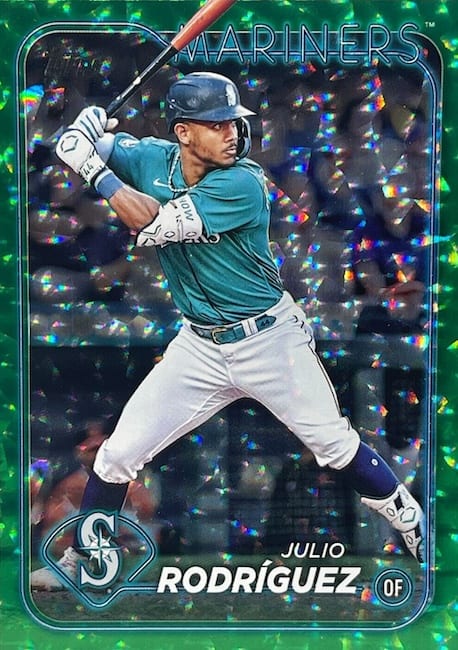
The hobby is at its best when it stays connected to baseball. Watch games. Follow your team’s call-ups. Notice when a young player gets hot. Celebrate a card because it reminds you of a season, a stadium trip, or a player you loved watching.
That emotional side is what gives collecting staying power. A card does not need to be rare to matter. Sometimes the card you keep going back to is a base card of a player who hit your favorite home run of the summer.
It also helps to give yourself permission to change direction. Maybe you begin with current stars and later realize you love retired legends. Maybe your team collection turns into a chase for autographs. Maybe your kid starts with mascots and ends up knowing every rookie in the division. That shift is normal.
Collecting is not about getting everything right immediately. It is about finding the mix of nostalgia, fandom, surprise, and card design that makes you want to open the next box or sort the next stack.
The best way to start? Get your first card
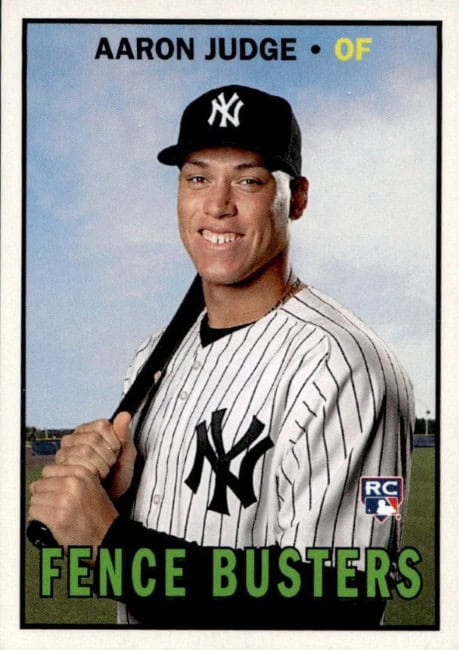
If you want the easiest answer to how to start baseball card collecting, start with your favorite team and a format that gives you variety without making you do all the homework. That could mean a few packs from a release you like, or a curated box that includes stars, inserts, parallels, and a premium hit to make the experience feel special right away.
For many collectors, that kind of setup is what turns curiosity into a real hobby. It lowers the friction, keeps the fun high, and gives you something personal to build on month after month. Home Team Box is built around that exact idea, especially for fans who want cards tied to the team they actually care about.
The best collection is not the one that looks the most impressive to someone else. It is the one you want to keep adding to after the game ends.