
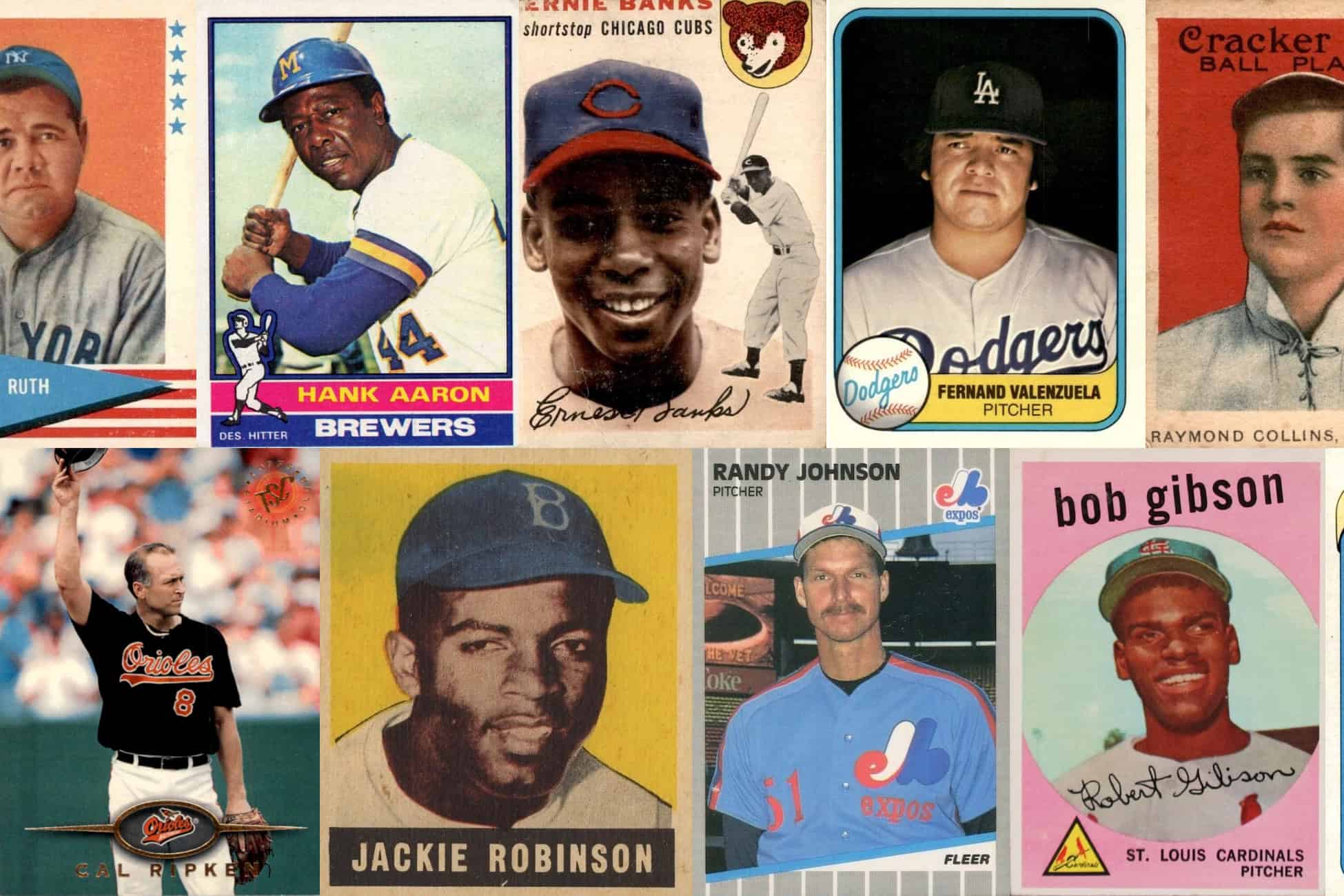
Whether you just cracked your first hobby box or you have been collecting for years, protecting your cards is just as important as finding them. A great pull means very little if it ends up bent, scratched, or yellowed from improper storage. The good news is that keeping your collection in top shape does not require a huge investment or a deep level of expertise. A handful of affordable supplies can make a real difference in preserving the value and condition of everything you own.
This guide walks you through five essential baseball card supplies that every collector should have on hand. For each one, you will learn what it does, what it costs, and what to watch out for when shopping. Whether you are protecting a star rookie card or organizing a set you have been building all season, these are the tools that make it possible. Think of it as the starter kit every collector needs before anything else.
Getting your supplies right early also saves you headaches later. Cards that sit unprotected in a box or rubber-banded together pick up damage fast. Once a card is creased or surface-scratched, that damage is permanent and can significantly reduce its grade if you ever decide to send it in for professional grading. A small upfront investment in the right supplies protects not just the cards themselves but also the time and money you have already put into building your collection.
Penny Sleeves
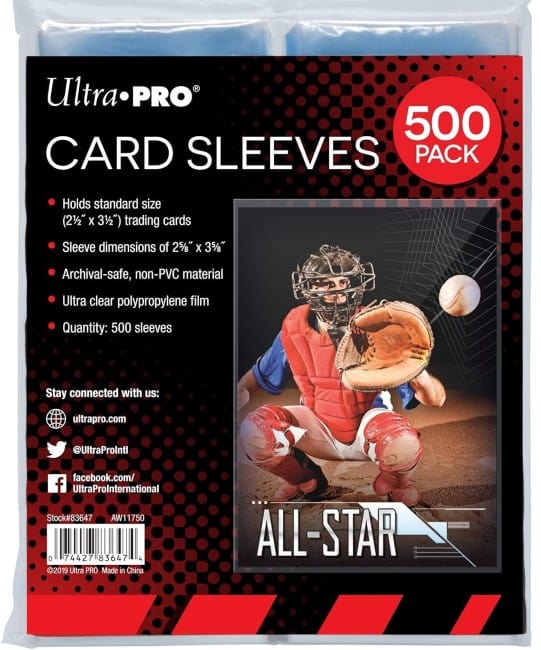
Penny sleeves are the most basic layer of protection in any collector’s toolkit, and they are almost always the first place a card goes after it leaves a pack. These thin, clear plastic sleeves slide over a single card and create a light barrier against fingerprints, surface scratches, and everyday handling wear. They are not designed to stop a bend or survive rough treatment, but for what they do – keeping surfaces clean and scratch-free – they are hard to beat.
The name comes from their original price point, and you can still find them close to that cost when buying in bulk. A pack of 100 penny sleeves typically runs between $2 and $4, making them one of the most affordable supplies in the entire hobby. Larger packs of 500 or 1,000 bring the per-sleeve cost down even further, which matters when you are sleeving hundreds of cards at a time.
PVC and Material Quality
One important consideration when shopping for penny sleeves is PVC content. PVC, or polyvinyl chloride, is a material found in some lower-quality sleeves that can damage cards over time. As PVC breaks down, it releases chemicals that cause discoloration, surface sticking, and long-term deterioration. Always look for sleeves that are labeled as acid-free and PVC-free. The price difference between safe and unsafe sleeves is minimal, but the long-term impact on your cards is significant.
Recommended Brands
Ultra Pro and BCW are two of the most widely trusted brands for penny sleeves. Both are easy to find at local card shops, big box hobby stores, and online retailers. Dragon Shield also makes quality sleeves worth considering. Sticking with a reputable brand removes a lot of the guesswork when you are buying in bulk.
Top Loaders
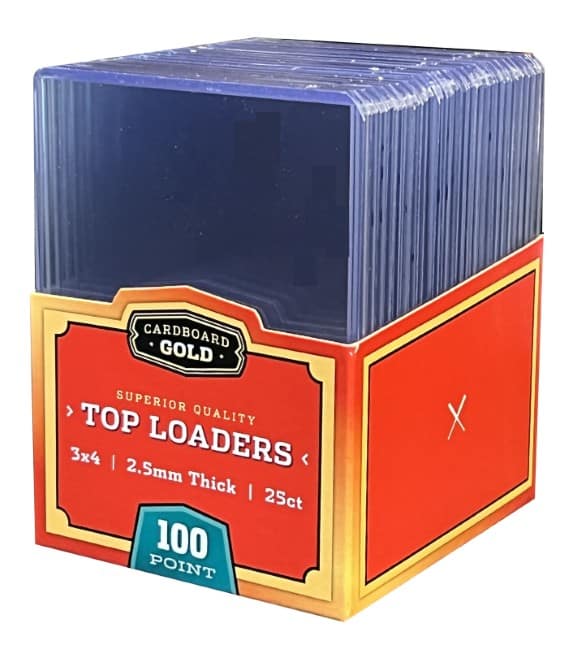
If penny sleeves are the first line of defense, top loaders are the second. These rigid plastic holders wrap around a sleeved card and provide a firm shell that prevents bending and creasing during storage and shipping. The name refers to the open top of the holder, where the card slides in from above. A card in a penny sleeve tucked into a top loader is well-protected for most everyday collecting purposes.
Standard top loaders are designed for regular-sized modern cards and typically sell for around $5 to $8 for a pack of 25. That comes out to less than a quarter per holder, which is a small price for reliable protection. Top loaders are especially popular among collectors who buy and sell, since they hold up well when mailing cards and help prevent damage in transit.
Sizing and Thickness
Card thickness varies more than many new collectors realize, and choosing the right top loader size matters. Top loader thickness is measured in points, with each point representing a unit of card thickness. Standard modern cards fit in a 35-point top loader. Relic cards, patch cards, and booklet cards are thicker and require 55-point, 75-point, or even 100-point versions. Using a top loader that is too small can make the card difficult to remove and risk surface damage. Using one that is too large leaves the card loose and sliding, which defeats the purpose of the holder.
Pairing With Team Bags
Many collectors add a team bag – a thin resealable plastic bag slightly larger than a top loader – over the outside of the holder when shipping. This keeps the top loader from scuffing other surfaces and adds one more layer of protection for cards in the mail. Team bags are cheap and sold in packs of 100 for just a few dollars.
Card Storage Boxes
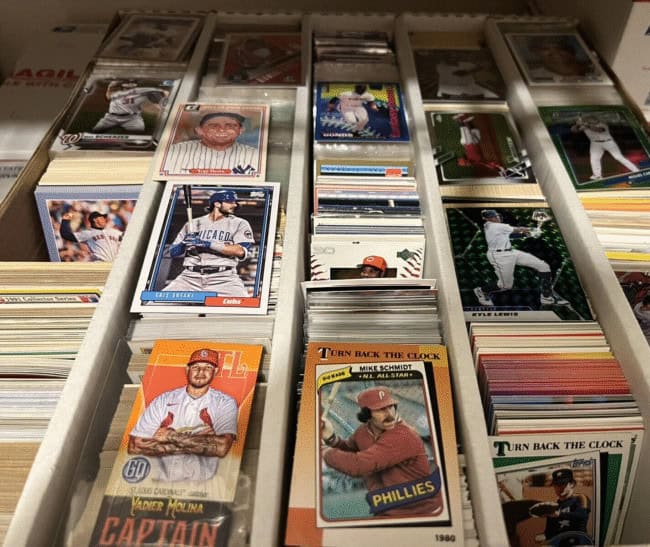
Once your collection grows past a few dozen cards, a dedicated storage box becomes a necessity. These boxes hold cards upright in organized rows, making it easy to flip through your collection without handling each card individually. They come in a range of sizes to fit collections of any scale, from a single set to thousands of cards spread across multiple boxes.
The most common storage boxes are made from cardboard and are sized by card capacity. Popular options include 100-count, 200-count, 400-count, 800-count, and 3,200-count boxes. Smaller boxes typically cost $1 to $3, while large monster boxes can run $10 to $15. Plastic storage boxes are also available and cost a bit more, but they offer better resistance to moisture and humidity over time.
Organizing Your Boxes
A storage box without any organization system quickly turns into a frustrating pile of cards. Many collectors use divider cards or index cards to label sections by year, team, player, or set. Writing clearly on the divider and keeping your system consistent makes finding a specific card much faster. Some collectors dedicate individual boxes to single sets or player collections, which makes browsing even easier.
Choosing the Right Size
Matching box size to your needs saves money and shelf space. A 100-count box works well on a desk for an active set you are currently building. A 3,200-count monster box is better suited for a shelf, holding bulk commons or completed sets from previous years. Most collectors end up using a mix of sizes as their collection grows, so it is worth picking up a few different options early on.
Binder Pages and Binders
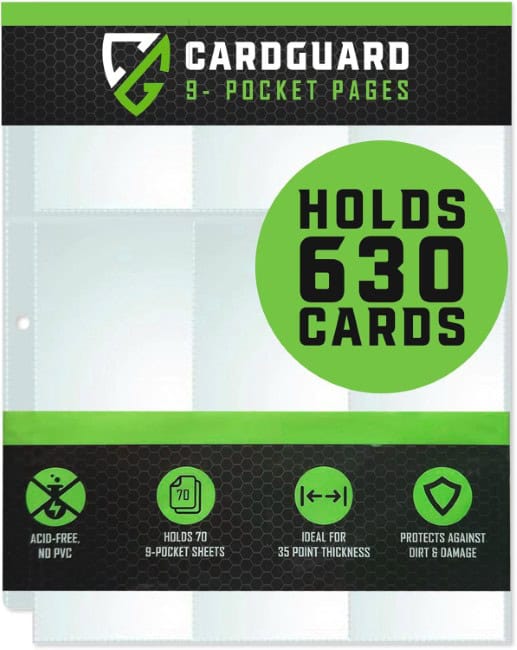
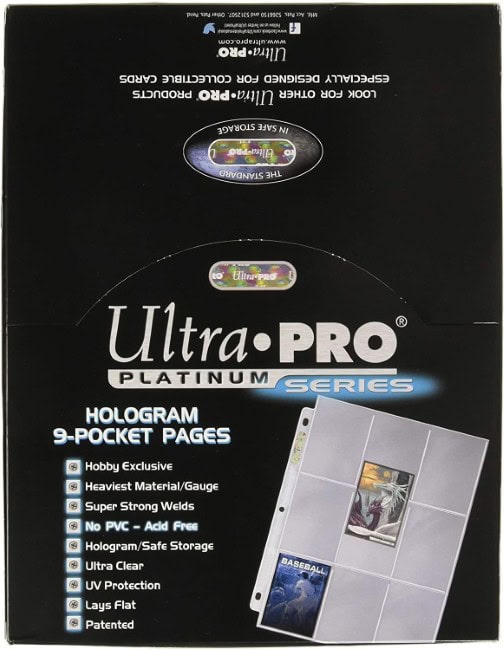
A three-ring binder filled with card pages is one of the most satisfying ways to organize and display a collection. Pages typically hold 9 cards each in a three-by-three grid, and flipping through a well-organized binder feels closer to enjoying a collection than digging through a storage box does. For player collections, team collections, or sets you are proud of, a binder is the right choice.
Choosing the Right Pages
Card pages come in several configurations. Nine-pocket pages are the standard, but four-pocket and one-pocket pages also exist for larger cards or cards you want to display more prominently. The most important factor when choosing pages is material safety. Just like penny sleeves, card pages can contain PVC, and the damage from extended contact with PVC pages can be significant. Always look for pages labeled as archival quality, acid-free, and PVC-free. Brands like Ultra Pro, BCW, and Dime Press are well-regarded in this category. A pack of 10 pages typically costs between $3 and $6.
Picking the Right Binder
Not all binders work equally well for card storage, and the difference is worth understanding. D-ring binders hold pages flatter than round-ring versions, which reduces stress on cards near the spine and prevents curling over time. A binder with a solid, firm cover adds another layer of protection if it gets bumped or stacked. Expect to spend between $8 and $20 depending on size and construction quality. Many collectors keep dedicated binders for specific themes – a favorite team, a single player, or a particular product they collect heavily.
One-Touch Magnetic Card Holders
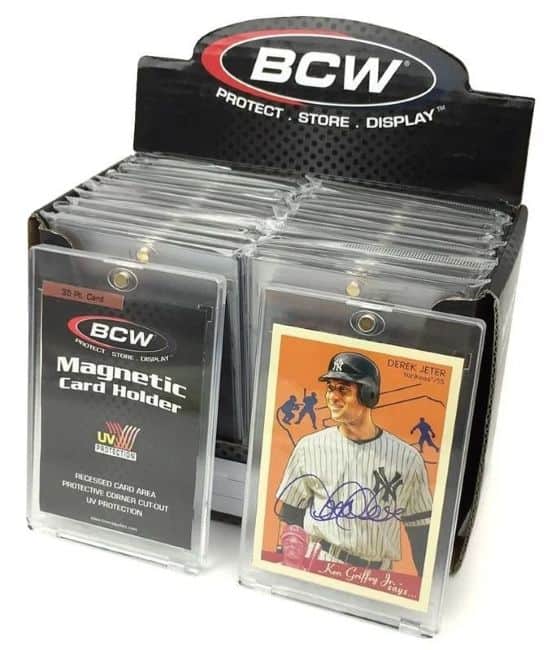
For your best pulls, a one-touch magnetic holder is the gold standard of single-card protection and display. These clear acrylic cases hold a card snugly between two rigid panels that close together with a magnetic seal along one edge. There are no screws to tighten or latches to fiddle with – the magnet does the work and holds the panels firmly in place while keeping the card fully visible from both sides.
One-touch holders display a card beautifully on a shelf or desk and protect it from dust, handling, and surface contact at the same time. They are a popular choice for rookie cards, autographs, short prints, and anything else that represents a significant part of your collection.
Cost and Sizing
Standard one-touch holders for regular-sized cards typically run between $2 and $5 each when purchased individually, with better pricing available in multi-packs of 5, 10, or 25. Thicker versions for relic and patch cards cost a bit more. Ultra Pro is the most recognized brand in this category, but Vault X has earned a strong reputation in the hobby as well and is worth comparing on price.
Like top loaders, one-touch holders come in different point sizes to accommodate different card thicknesses. Matching the holder to the card thickness keeps the card secure and prevents it from shifting inside the case.
A Note on Magnets and Autographed Cards
Some collectors have raised questions about whether the magnets in these holders could affect ink-based autographs or foil surfaces on cards. The current consensus in the hobby is that the magnets used in standard one-touch holders are not strong enough to cause damage to autograph ink or card surfaces. That said, if you prefer to avoid magnets entirely on your most valuable autographs, screw-down holders offer a similar clear acrylic display without a magnetic closure.
Where to Buy Baseball Card Supplies
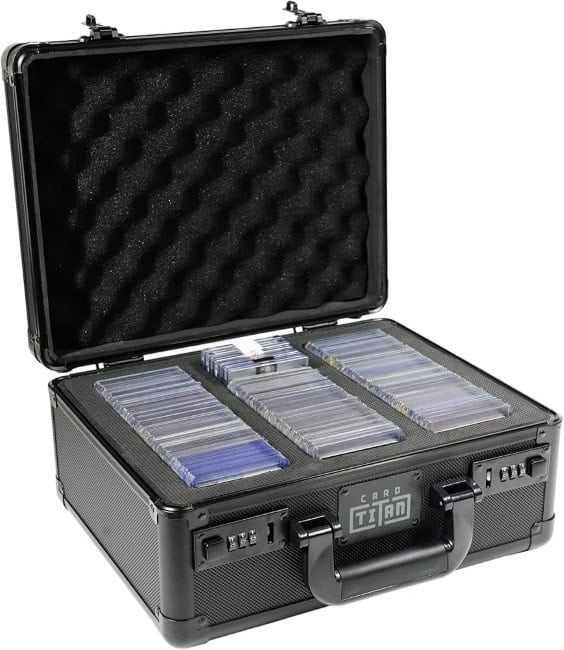
Knowing what to buy is only half the picture. Knowing where to find it at a fair price makes the whole process easier. Local card shops are a great starting point, especially for newer collectors. Staff at a good card shop can answer questions, help you find the right size top loader for a specific card, and let you see products before you commit to buying them. Many shops sell supplies individually, which is useful when you only need a few pieces.
Online retailers offer the best pricing for bulk orders. Amazon carries most major supply brands at competitive prices, and buying larger quantities of penny sleeves or storage boxes saves money quickly. Specialty hobby retailers stock a wide range of supplies alongside cards and often run sales worth watching.
One tip that applies everywhere you shop: always confirm that sleeves and pages are PVC-free before purchasing, especially when trying a brand you have not used before. Reputable sellers make this easy to verify in the product description. When in doubt, stick with established brands until you have more experience reading supply labels.
Conclusion
Building a solid supply kit is one of the smartest moves any collector can make, and it does not take much to get started. Cards you pull today could be worth significantly more in a few years, and keeping them in top condition gives you the best possible outcome whether you eventually grade them, trade them, or sell them. Starting with these five essentials – penny sleeves, top loaders, storage boxes, binder pages, and one-touch holders – gives you everything you need to handle cards properly from the moment they leave the pack.
The total cost for a complete starter kit is well under $50, and most of these supplies will last for years of regular use. Think of it as a small insurance policy on a collection you have worked hard to build. You do not need to buy everything at once. Start with penny sleeves and top loaders, add a storage box as your card count grows, and work up to binders and one-touch holders as you identify the parts of your collection that matter most to you.
The hobby is more enjoyable when your cards are safe, organized, and easy to find. A little preparation and the right supplies make that possible without much effort or expense. Whatever you collect – vintage stars, modern rookies, or player rainbows – these five items form the foundation every serious collection deserves.