
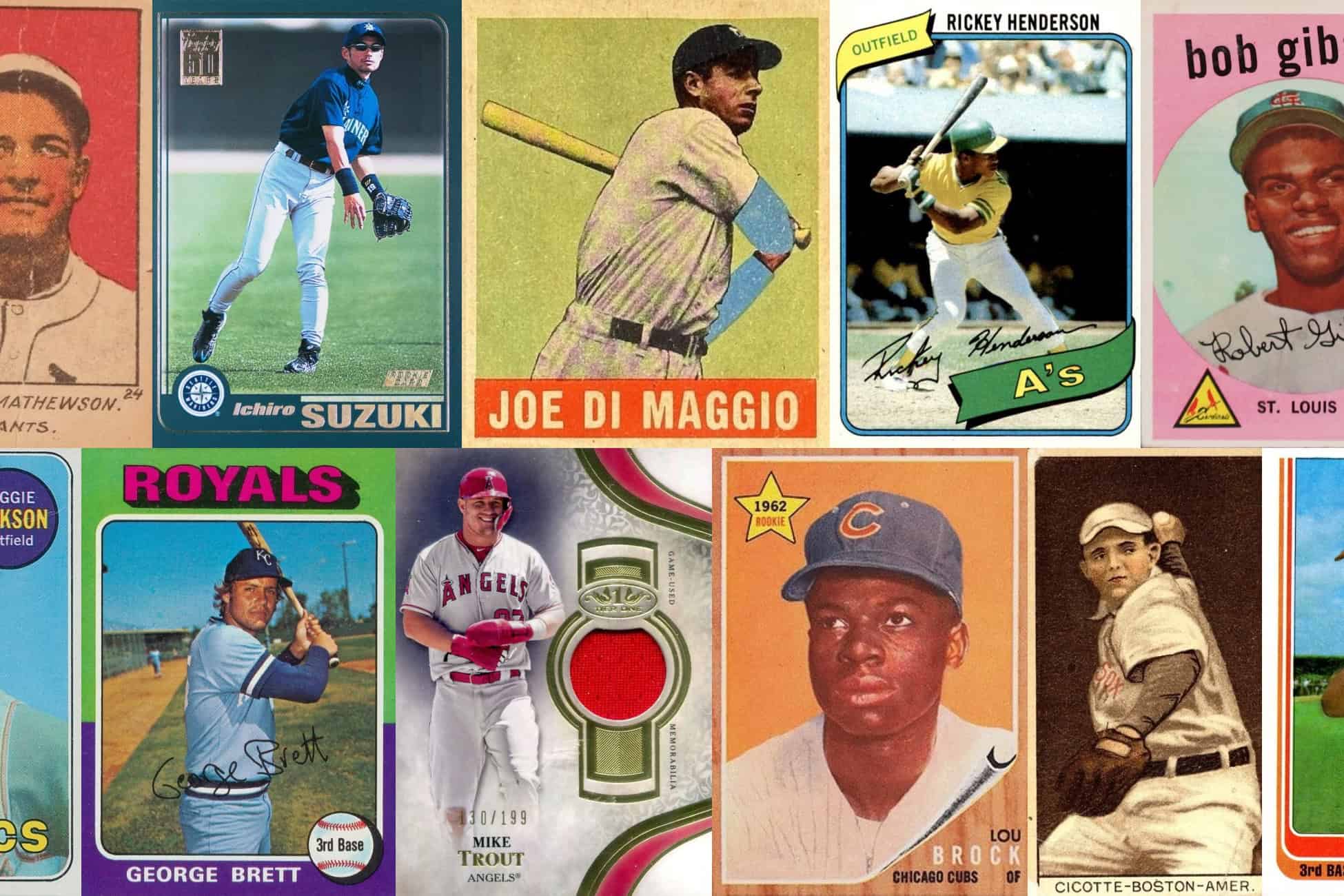
Collecting baseball cards often feels like a pursuit reserved for the ultra-wealthy. We constantly hear about seven-figure sales of Mickey Mantle rookies or seven-figure auctions for T206 Honus Wagner cards. However, the true heart of the hobby beats in the affordable range. For most enthusiasts, the thrill comes from finding a piece of history that fits within a reasonable budget.
The $100 bill is far more powerful in the baseball card hobby than most people assume. Across every decade of the modern card era, that single bill can still get you into a slabbed, authenticated card of a Hall of Famer – sometimes even an iconic rookie. The trick is knowing which cards can actually be found in that range, which grades to target, and why the card matters beyond its price tag.
A note on methodology: for each era, the goal is maximum historical significance per dollar. That sometimes means a lower grade, a non-flagship card, or an underappreciated pick. In every case, these are real purchase options – not approximations.
Pre-1950s Era: The Birth of the Modern Card
Before the mid-century boom, baseball cards were often primitive inserts in tobacco or candy packages. The 1933 Goudey set changed everything by introducing bright colors and a larger format. While a Babe Ruth from this set is out of reach, you can find Hall of Famers like Dazzy Vance in lower grades for under $100. A PSA 1.5 or PSA 2 (Good to Fair) example of Vance often trades around $85 to $95.
The 1933 Goudey set represents a leap in lithographic technology. Manufacturers used multiple ink passes to create vibrant, hand-painted portraits that captured the public imagination during the Great Depression. These cards were the first to treat the player as a standalone star rather than a mere marketing afterthought. Owning a low-grade Vance is not just about the player; it is about owning a specimen from the set that established the color card as the industry standard.
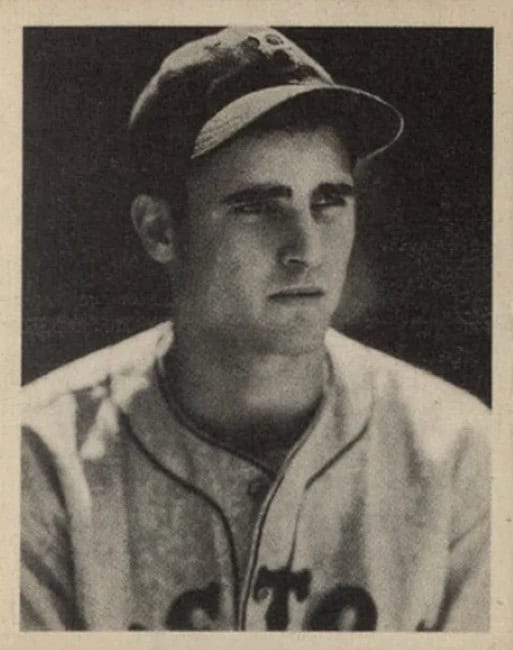
For a slightly more refined look, the 1939 Play Ball set offers a clean, black-and-white aesthetic that highlights the transition toward high-fidelity photography. You can find a 1939 Play Ball Bobby Doerr rookie card in a PSA 1 grade for roughly $90. The set is notable for its minimalist design, which stripped away the clutter of earlier decades. This period established the psychological anchor of the “rookie card” as the most desirable asset in a player’s career.
1950s: The Post-War Boom and Brand Wars
The 1950s served as a laboratory for the baseball card industry. Topps and Bowman engaged in a fierce legal and commercial battle for player exclusivity. This competition pushed the limits of card design and size. A great representative of this era is the 1958 Topps Stan Musial All-Star card. Because Musial famously held out of card contracts for years, his 1958 appearance was a major event. A PSA 6 (Excellent-Mint) version currently sits at approximately $75.
This card captures the mid-century obsession with “All-Star” designations and bright, patriotic color schemes. The 1958 set utilized a dual-layer printing process that allowed for the high-contrast backgrounds seen in the All-Star subset. Musial is an inner-circle Hall of Famer, and this card provides an affordable entry point into his legend. It reflects the social science of celebrity marketing during the 1950s, where players began to realize their individual brand value beyond the team.
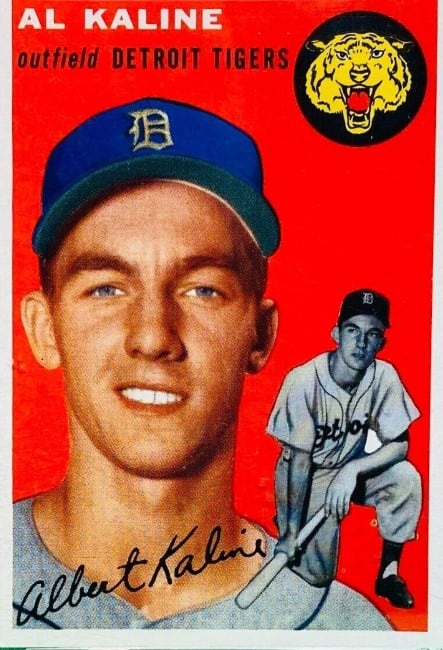
Another 1950s staple under $100 is the 1954 Topps Al Kaline rookie card in a PSA 1 or “Authentic” grade. While high-grade versions command thousands, a low-grade Kaline allows you to own one of the most beautiful designs in hobby history for about $95. The 1954 set was the first to feature two player images – a portrait and an action shot. This layout required advanced plate alignment, showing the technical maturation of Topps as a printing powerhouse.
1960s: Photography and the Color Revolution
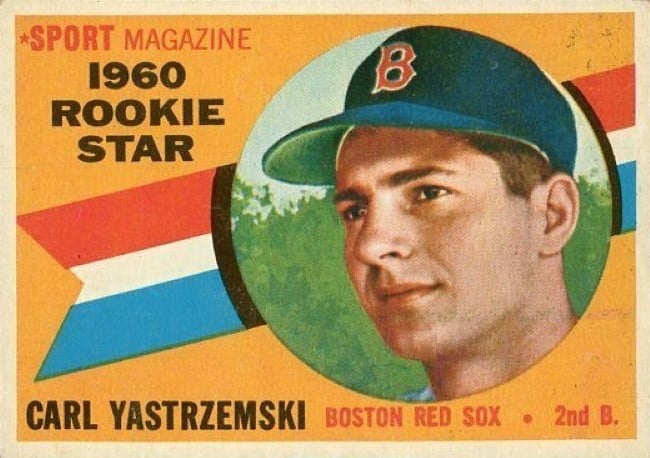
By the 1960s, Topps had secured a monopoly, leading to a decade of experimentation with photography and card stock. The 1960 Topps Carl Yastrzemski rookie card is a masterpiece of mid-century design. While a high-grade copy is expensive, a PSA 3 (Very Good) example frequently sells for $85. The card uses a horizontal layout and a unique multi-colored nameplate that screams 1960s pop art.
The Yastrzemski card illustrates the shift from hand-tinted images to actual color photography. The 1960 set’s design was a reaction to the burgeoning television era, where vibrant colors were becoming the new cultural currency. Collectors value this card because it represents the beginning of one of the longest and most consistent careers in baseball history. It serves as a data point for the “durability” factor that many collectors use to justify long-term value.
Another excellent 1960s pick is the 1965 Topps Joe Morgan rookie card. You can often find a PSA 4 or PSA 5 (Very Good to Excellent) copy for around $80. This card is historically significant because it features Morgan as a member of the Houston Colt .45s before the team became the Astros. The 1965 design is clean and classic, emphasizing the player’s face with a simple circular frame. This era focused on the “humanizing” of athletes through clear, high-resolution facial photography.
1970s: The Last Era of Vintage Feel
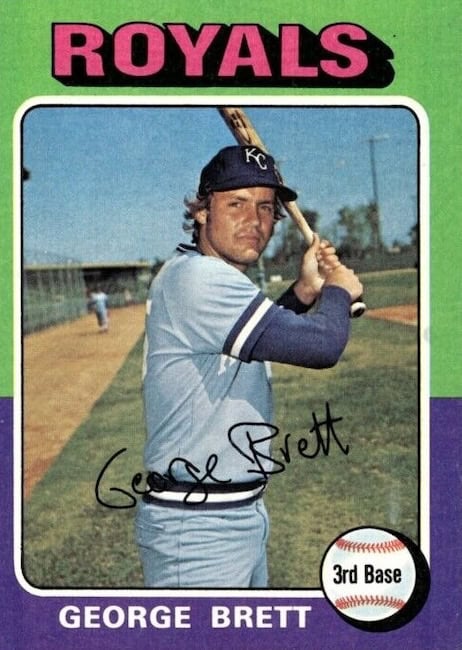
The 1970s are often called the “grey era” because of the card stock used, but the decade was anything but dull. It featured the last great sets printed on traditional cardboard before the industry pivoted to glossy coatings. The 1975 Topps George Brett rookie card is the undisputed king of this decade for budget collectors. In a PSA 6 grade, this card typically costs between $90 and $100.
The 1975 set is famous for its bright, multi-colored borders. These borders make the cards notoriously difficult to grade, as even the slightest chip shows the white card stock underneath. Owning a Brett rookie in a mid-grade is a testament to the psychedelic aesthetic of the mid-1970s. This period saw a massive expansion in the number of cards produced, marking the beginning of the “mass-market” social phenomenon where cards became a ubiquitous childhood hobby.
If you prefer a more sober design, the 1973 Topps Mike Schmidt rookie card is a fantastic choice. A PSA 5 or PSA 6 copy usually sells for about $70. The 1973 set was the first to be released in one single series rather than multiple waves throughout the year. This changed the economic distribution of cards, ensuring that all players were equally accessible to collectors regardless of when they started buying packs. It was a pivotal moment in logistics and supply chain management for Topps.
1980s: The Upper Deck Disruption
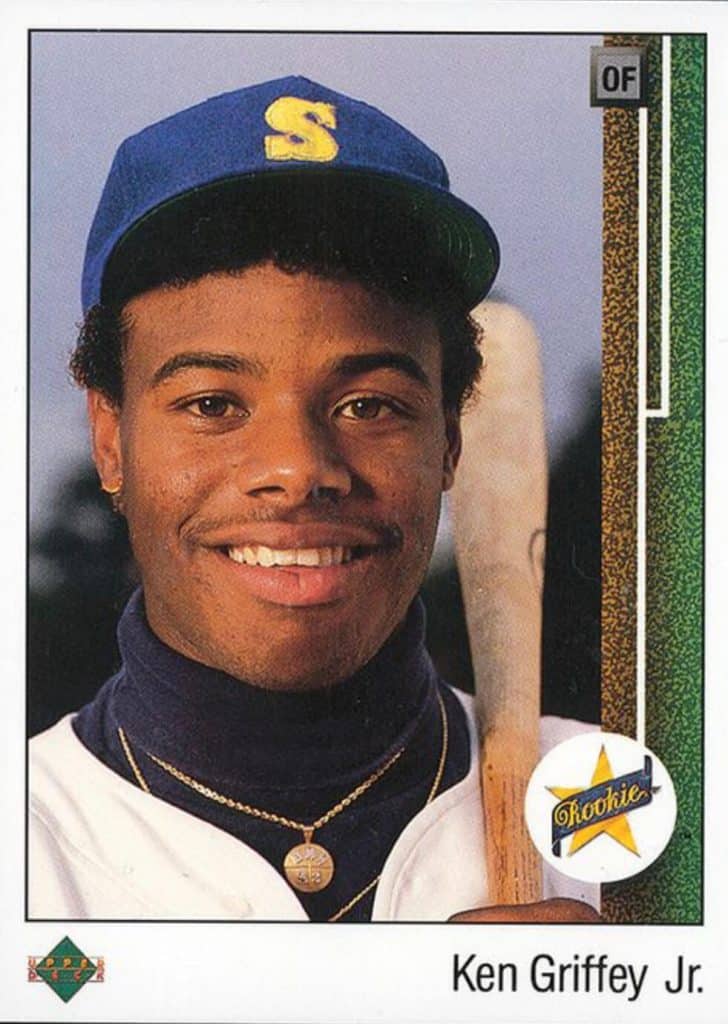
The 1980s began with a stale monopoly and ended with a high-tech revolution. The 1989 Upper Deck Ken Griffey Jr. rookie card is the most important card of the last 40 years. While a PSA 10 is thousands of dollars, a PSA 7 (Near Mint) is easily available for $95. This card changed the industry by introducing tamper-proof foil packaging, high-quality white paper stock, and a hologram to prevent counterfeiting.
Upper Deck used a sophisticated lithographic process that made previous Topps cards look like relics of a bygone age. This card was a watershed moment because it transformed baseball cards from cheap toys into “premium” collectibles. The social science of the hobby shifted toward “perceived luxury.” Collectors were suddenly willing to pay three times the price for a pack if the physical product felt superior. Griffey’s smile and the Mariners’ blue-and-yellow scheme remain iconic.
For those who enjoy the “infamous” side of the hobby, the 1989 Fleer Billy Ripken “FF” error card is a must-have. This card features an obscenity written on the knob of Ripken’s bat. In a PSA 7 or PSA 8 grade, you can find the original uncorrected version for $80 to $90. This card represents the peak of the “error card” craze, where mistakes in the printing process became more valuable than the players themselves. It highlights the chaotic quality control of the late 1980s.
1990s: Refractors and the Parallel Revolution
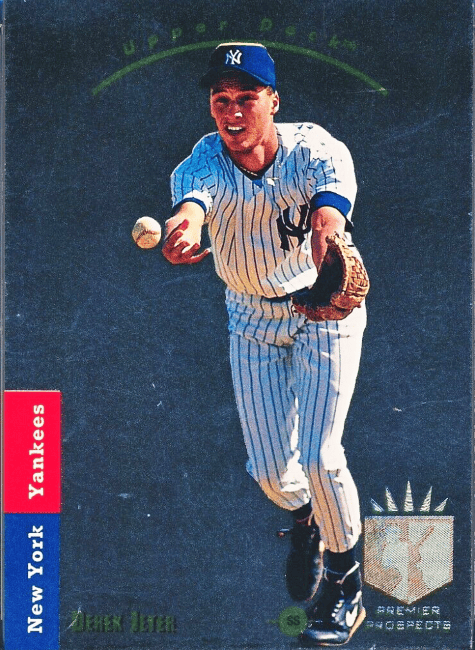
The 1990s corrected the overproduction of the 1980s by introducing scarcity through “parallels.” The most significant innovation was the Refractor, introduced by Topps Chrome in 1996. However, for under $100, the best play is the 1993 Topps Derek Jeter rookie card. A PSA 8 (NM-MT) copy of this card is a steal at $65. It captures the legendary Yankees captain at the very beginning of his journey.
The 1993 Topps set used a “color-coordinated” border system that was sleek and modern. While it lacks the flash of later 90s cards, it represents the last year before the “Chrome” era took over. This card is a study in “scarcity psychology,” as collectors began to hunt for the cleanest copies of a mass-produced item. Jeter’s card is the blue-chip asset of the decade, maintaining its value even when other 90s stars faded from the spotlight.
If you want something that embodies 1990s tech, look for the 1990 Leaf Frank Thomas rookie card. A PSA 9 (Mint) copy sells for around $50. The 1990 Leaf set was a high-end product that used heavy paper stock and professional-grade photography. It was the “anti-junk wax” set, proving that there was still a market for limited-run, high-quality production. The minimalist design and the “Big Hurt’s” imposing presence make this a cornerstone of any 90s collection.
2000s & 2010s: The Rise of Chrome and Ohtani
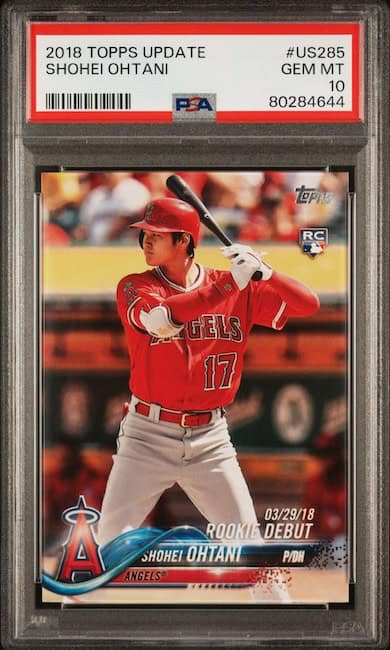
The modern era belongs to “Chrome” technology and international superstars. The 2018 Topps Update Shohei Ohtani rookie card (number US285) is the defining card of the current generation. While the market for his high-end autographs is astronomical, a PSA 9 copy of his flagship Topps Update rookie currently sits right around $85. Ohtani is a literal scientific anomaly in the sport, and his cards reflect that unique status.
The Chrome finish on modern cards uses a vacuum-metallization process to create a reflective, mirror-like surface. This technology has become the gold standard for modern rookie cards. The Ohtani rookie is the modern equivalent of the 1989 Griffey; it is the card that everyone wants to own. In 2026, Ohtani’s legacy as a two-way player is firmly established, making his base rookie cards a foundational asset for collectors who value historic performance over short-term hype.
Another excellent modern choice is the 2011 Topps Update Mike Trout rookie card in a lower grade or a PSA 1. However, if you want a Gem Mint 10 of a future legend, look at the 2024 Topps Paul Skenes rookie card. In a PSA 10 (Gem Mint) grade, his base rookie is often under $70. Skenes represents the new wave of power pitching, and the “Topps Flagship” design remains the most historically connected way to collect a player’s first year.
Investment Perspective: Why $100 Matters
There is a specific socio-economic reason why the $100 price point is so important in the baseball card market. It represents the “psychological threshold” for the casual collector. Under $100, a card is a “passion purchase” that does not require a consultation with a financial advisor. However, at $100, the market begins to treat the card as a liquid asset. This creates a sweet spot where demand remains high because the entry barrier is low.
When you buy a card for $90, you are participating in a highly efficient market. These cards are easy to sell on platforms like eBay or COMC because the buyer pool is massive. Unlike a $10,000 card that might take months to find the right buyer, a $100 Griffey or Jeter can sell in minutes. This liquidity is a vital component of the hobby’s health. It allows collectors to “trade up” over time, using these affordable staples as stepping stones to larger purchases.
Furthermore, these cards offer a hedge against inflation within the hobby. While “prospecting” for the next big star is a gamble, established Hall of Fame cards under $100 have a proven floor. The chemical degradation of old paper means that the supply of “clean” vintage cards is slowly decreasing, even if the total population remains the same. This natural attrition, combined with the steady influx of new collectors, creates a favorable supply-demand curve for iconic budget cards.
Technical Preservation for Budget Classics
Once you acquire these under-$100 gems, protecting them is a matter of science. Paper is an organic material subject to “foxing” – the development of brown spots due to fungal growth or iron oxidation. High-quality acrylic slabs from companies like PSA or SGC provide a UV-resistant barrier and a micro-environment that slows down these processes. Even a $50 card deserves a professional slab or, at the very least, a PVC-free top-loader and a Mylar sleeve.
Temperature and humidity control are equally important. You should store your collection in a “cool, dry place,” which usually means a climate-controlled room rather than a basement or attic. Rapid fluctuations in humidity cause the paper fibers to expand and contract, leading to “surface wrinkles” or warping. Modern Chrome cards are particularly susceptible to “clouding” if exposed to oils from human skin, so handling them by the edges or using gloves is a best practice.
Understanding the physics of card stock can also help you identify “trimmed” or altered cards. Authentic vintage cards have specific edge patterns created by the old-fashioned “guillotine” cutters used in the 1950s and 60s. These cutters left a slightly rough, feathered edge that modern lasers cannot perfectly replicate. When buying raw cards under $100, always use a jeweler’s loupe to inspect the edges. A card that looks “too perfect” for its age is often a red flag.
The Future of the $100 Market
As we look toward the 2030s, the “Best under $100” list will inevitably change. Some of today’s $80 cards will climb to $150, while others might dip. However, the cards mentioned in this guide have the “staying power” required to remain relevant. They are tied to the most significant names in the history of the sport and the most important innovations in the history of the industry. They are the blue chips of the budget world.
The rise of digital collecting and NFTs has actually strengthened the market for physical cards. Collectors have realized that a tangible piece of cardboard from 1933 or 1989 has a “historical weight” that a digital file cannot replicate. The physical card is a witness to its time. It survived decades of moves, garage sales, and childhood handling to reach your collection. That survival story is part of the value proposition that keeps the $100 market thriving.
In the end, the best baseball cards under $100 are the ones that make you feel connected to the game. Whether it is the vibrant colors of a 1975 Topps Brett or the high-tech sheen of a 2018 Ohtani, these cards are more than just assets. They are snapshots of American culture, technological progress, and athletic excellence. Building a collection within this budget is not a compromise; it is a strategic and rewarding way to engage with the greatest hobby on earth.
Build your legacy one card at a time without breaking the bank. The history of baseball is written on these small rectangles of cardboard, and for under $100, you can own some of its most famous chapters. The hunt is half the fun, so get out there, check the auction listings, and find your next $100 masterpiece. Happy collecting!