
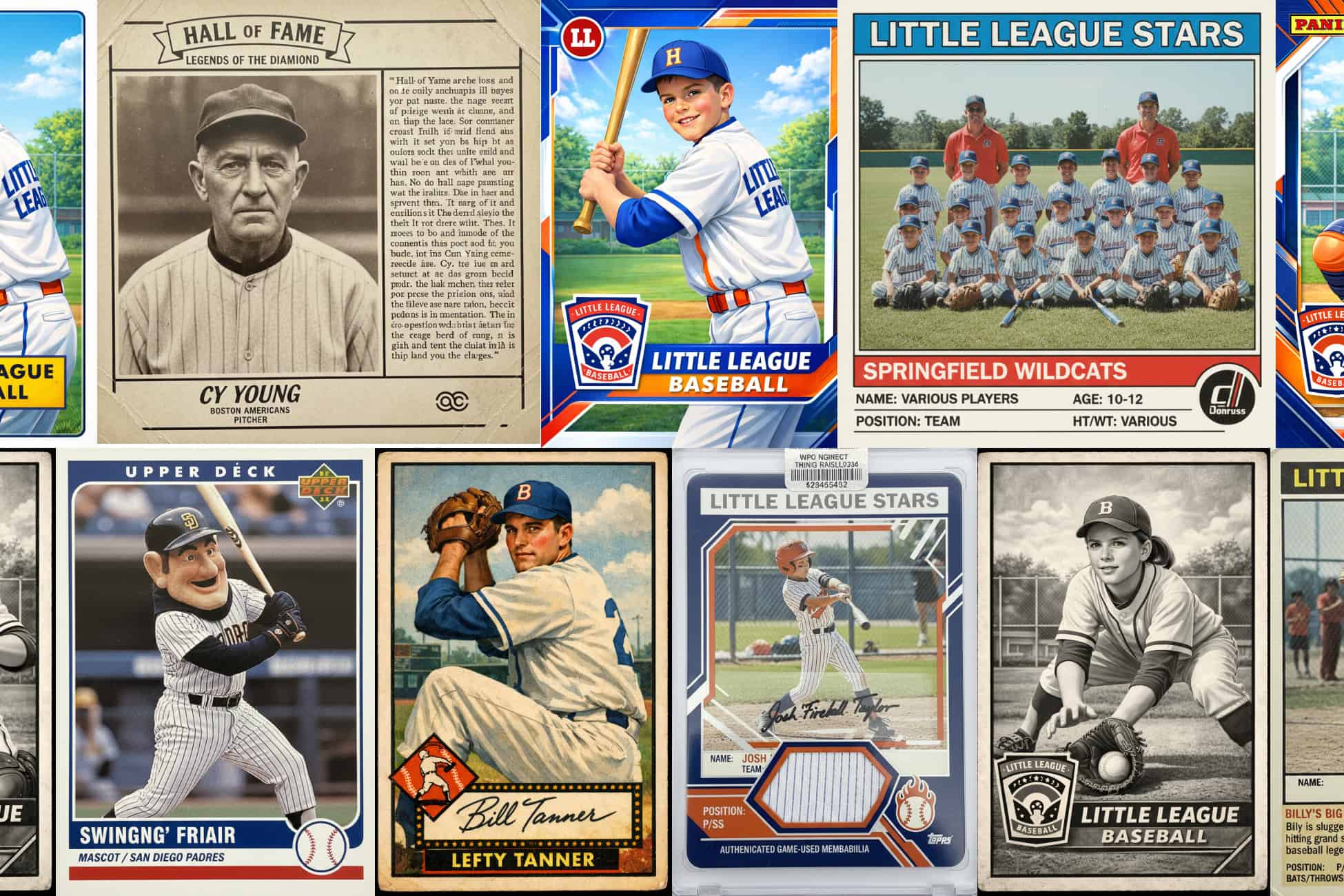

The baseball card hobby has always evolved with technology. From the lithographed tobacco cards of the 1880s to the glossy chrome refractors of the 1990s, collectors have witnessed each generation’s innovations reshape what it means to own a piece of baseball history. Today, we stand at another technological crossroads, one that puts creative power directly into collectors’ hands in ways previous generations could only imagine.
Three converging forces are democratizing custom baseball cards: artificial intelligence that can generate professional-quality artwork in seconds, digital authentication systems that promise permanent provenance records, and print-on-demand services that eliminate the need for expensive production runs. Together, these technologies are transforming baseball cards from mass-produced commodities into personalized artifacts that anyone can create, own, and trade.
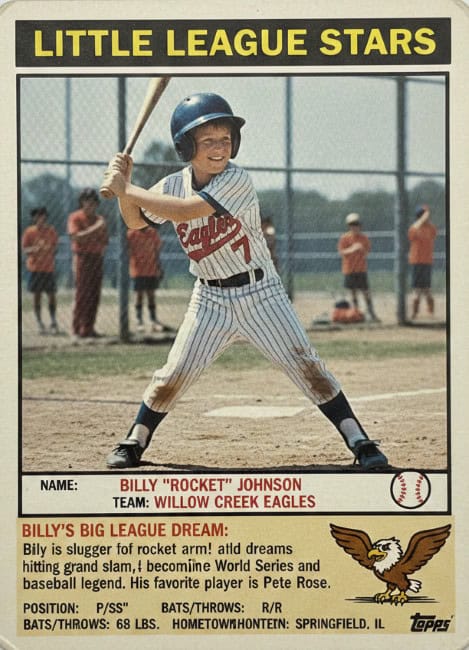
This shift matters because it addresses a fundamental tension in the hobby. Traditional baseball cards celebrate major league stars, but baseball lives in Little League diamonds, high school tournaments, and adult recreational leagues across the country. The technology now exists to commemorate all of those moments with the same production quality once reserved for Topps flagship sets. Whether you want to immortalize your son’s first home run or create an alternative design for your favorite player, the barriers to entry have never been lower.
The AI Revolution in Card Design
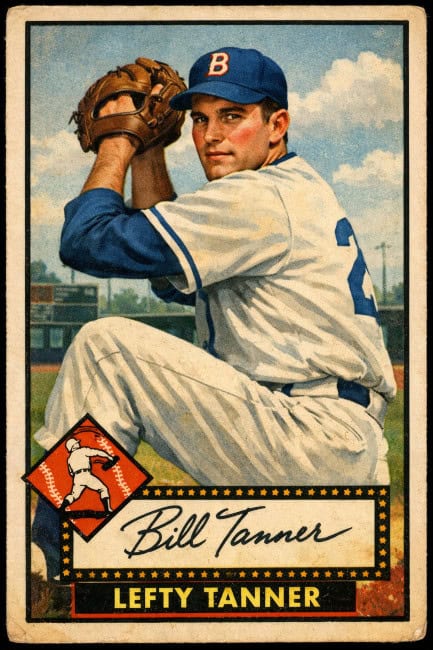
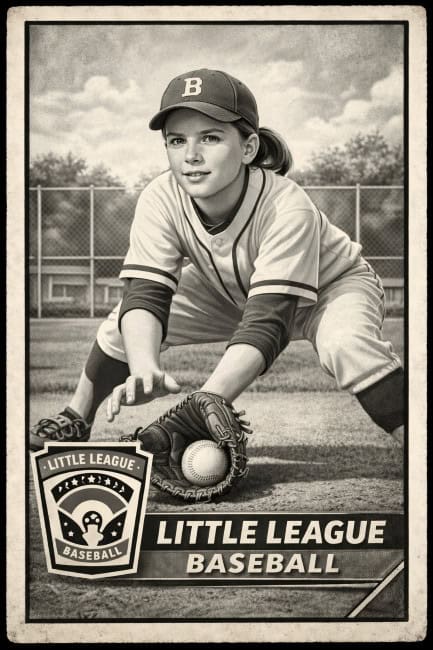
Generative AI has compressed what once took graphic designers hours into tasks that take minutes. These tools analyze millions of images to learn patterns, styles, and compositions, then generate new artwork based on text descriptions. A collector can type “1952 Topps style card of a left-handed pitcher in wind-up” and receive a vintage-styled design that captures the aesthetic of that classic set.
The implications for custom baseball cards are profound. Collectors no longer need Photoshop expertise or design training to create professional-looking cards. AI tools handle everything from background removal to color correction to layout composition. Want to see what a modern player would look like on a 1987 Topps wood-grain border? The AI can generate that in seconds, matching the color palette, photography style, and design elements of the original era.
This technology particularly benefits collectors creating custom baseball cards for amateur and youth players. Parents can upload smartphone photos of their children and transform them into cards that rival professional production quality. Local card shops can offer custom card services without hiring designers. Adult league teams can commemorate championship seasons with full sets that look like they came from a major manufacturer.
Print-on-Demand: From Concept to Card Stock

The printing revolution matters as much as the design revolution. Twenty years ago, creating physical cards required expensive offset printing with minimum orders in the thousands. Today’s print-on-demand services allow collectors to order single cards or small batches at reasonable prices, using the same card stock and finishes available to major manufacturers.
Digital printing technology has reached a quality threshold where custom cards are virtually indistinguishable from factory products. Collectors can choose from multiple card stocks, finishes, and sizes. Glossy, matte, chrome-style, even textured finishes are available through various services. The cards arrive cut to standard dimensions, ready for sleeves, top-loaders, or binders.
This accessibility changes the economics of collecting. A parent can create a 25-card set documenting their child’s baseball season for less than the cost of a hobby box. A collector can design and print a single custom card of their favorite obscure player for a few dollars. Small print runs mean experimentation is affordable – if a design doesn’t work, you’re only out a couple of dollars rather than thousands.
Digital Photography & the Custom Card Boom
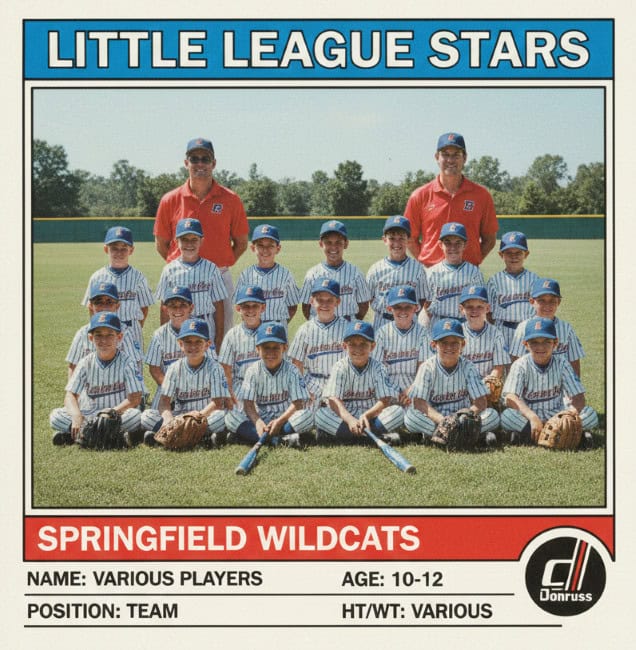
Custom baseball cards depends on another quiet technological shift: the smartphone camera in your pocket likely has better image quality than professional cameras from 15 years ago. This democratization of high-quality photography means every parent, coach, and player can capture print-worthy action shots without expensive equipment.
Modern smartphone cameras shoot in high resolution with sophisticated computational photography that handles challenging lighting conditions. Action shots that once required expensive DSLR cameras with fast shutter speeds now come from phones that cost a few hundred dollars. The photos upload instantly to cloud storage, ready for AI enhancement or print services.
This matters because the raw material of custom cards – good photographs – is now universally available. You don’t need a press photographer’s credentials or equipment to capture a moment worth commemorating on card stock. The barrier between snapshot and printable image has essentially disappeared.
The Ethics and Rights Landscape
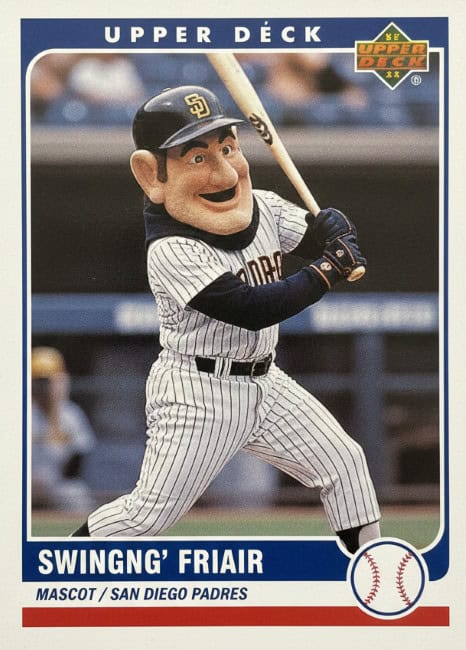
Custom baseball cards raise legitimate questions about intellectual property and personal rights. Using a player’s likeness without permission potentially violates their right of publicity, even for non-commercial purposes. Team logos, uniform designs, and even stadium backgrounds may be trademarked. AI tools trained on copyrighted images raise additional questions about whether generated artwork infringes on original photographers’ or designers’ rights.
The legal landscape remains murky, particularly for personal, non-commercial custom cards. Creating a card of your child clearly falls under personal use. Creating cards of major league players for your own collection occupies grayer territory. Selling such cards crosses into commercial use that almost certainly requires licenses. Most custom card creators navigate these issues through common sense and ethical judgment rather than legal clarity.
Card companies and players’ associations have largely tolerated personal custom baseball cards while vigorously defending their commercial rights. This unofficial détente works as long as custom creators respect the boundary between hobby and business. As AI and print-on-demand make commercial-quality production accessible to anyone, the hobby may face conflicts that require clearer guidelines about what constitutes acceptable personal use versus infringement.
The Social Dimension of Custom Collecting
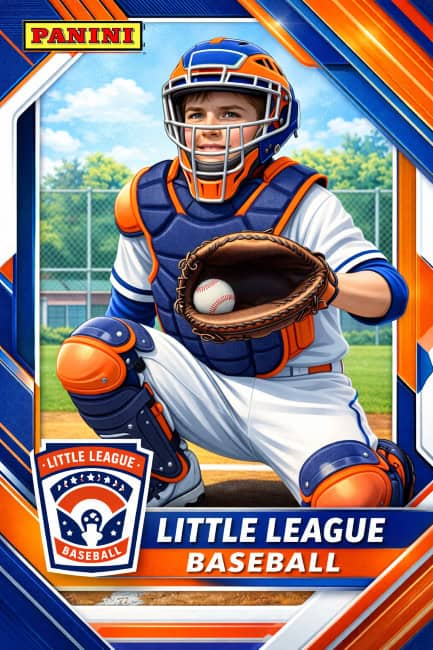
Custom cards are changing how collectors interact with the hobby and each other. Online communities share design templates, printing tips, and showcase their creations. Collectors trade custom cards alongside vintage and modern issues, creating parallel markets based on design quality and subject matter rather than scarcity or investment value.
This social shift returns the hobby to its roots in some ways. Early tobacco cards were promotional items, not investments. The joy came from completing sets and admiring the artwork. Custom cards prioritize the same values – creating something meaningful, sharing designs with fellow collectors, and celebrating the players and moments that matter personally rather than focusing solely on resale value.
Youth and amateur baseball particularly benefit from this social dimension. Teams now regularly create custom card sets for players, fostering team identity and providing tangible keepsakes that players treasure regardless of market value. Coaches use custom cards as awards and motivation tools. Parents trade cards at tournaments, creating social connections around their children’s athletic journeys.
Technical Accessibility and the Learning Curve
The barrier to creating custom cards has dropped dramatically, but a learning curve remains. Collectors need basic familiarity with uploading images, using AI prompts effectively, and navigating print service websites. For older collectors who didn’t grow up with digital tools, even these simple tasks can feel daunting compared to buying a pack at the corner store.
However, the technology continues getting more intuitive. AI tools increasingly work through simple conversational interfaces where collectors describe what they want rather than learning complex software. Print services streamline ordering processes and provide templates that handle sizing and formatting automatically. YouTube tutorials and online communities offer guidance at every skill level.
The learning investment pays off quickly. After creating a few cards, most collectors develop workflows that make the process routine. The creative satisfaction of designing your own cards, combined with the affordability of small print runs, motivates many collectors to develop skills they never imagined needing. The hobby is evolving to include design and creation alongside the traditional pursuits of buying, trading, and organizing.
Where the Hobby Goes from Here
Custom card creation won’t replace traditional collecting any more than digital photography eliminated film enthusiasts. The market for vintage cards, modern releases from major manufacturers, and rare variants will continue thriving. Investment-grade collecting operates in different space than personal custom creation, and both can coexist productively within the hobby.
What changes is the definition of what counts as a “real” card. Future collectors will likely view custom cards not as inferior substitutes but as a distinct category with its own standards and values. A beautifully designed custom card commemorating a meaningful moment may hold more emotional value than a mass-produced rookie card, even if it never appreciates in price.
The technology will continue improving, making professional-quality custom cards accessible to even more collectors. AI tools will better understand baseball aesthetics and card design principles. Print services will offer more finish options at lower prices. Authentication methods may emerge that give custom creators ways to document their work without the complexity of blockchain systems.
Integration with Traditional Collecting
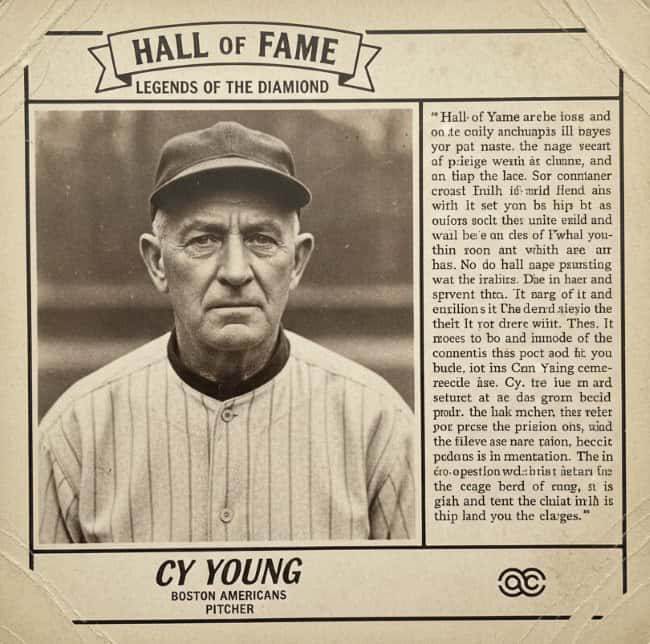
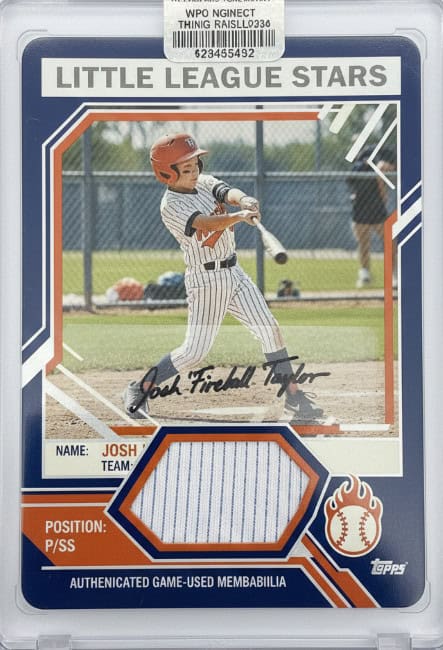
Smart collectors are already finding ways to integrate custom cards with traditional collecting. Custom cards fill gaps in sets, commemorating players who never received official cards or creating “what if” designs for players from eras that interest them. Some collectors create custom parallels of favorite cards, exploring how different design choices or photography would change a familiar image.
This integration works because custom and traditional cards serve different purposes. Factory cards offer standardization, broad recognition, and investment potential. Custom cards offer personalization, creativity, and emotional connection. A complete collection might include both Topps flagship cards and custom designs that celebrate personal favorites or commemorate attended games.
The line between custom and official may blur further as card companies experiment with personalization options. Some manufacturers already offer custom card services for team sets and special orders. As print-on-demand technology improves and becomes more cost-effective, we may see official customization options where collectors can add their own photos to manufacturer templates, creating hybrid products that combine official branding with personal content.
Conclusion
The convergence of AI design tools, affordable high-quality printing, and universal access to digital photography has fundamentally democratized baseball card creation. What once required professional designers, expensive equipment, and large production runs now happens on smartphones and laptops at costs accessible to virtually any collector. This shift doesn’t diminish the value of traditional cards but expands the hobby’s boundaries to include creative expression alongside acquisition and preservation.
The NFT experiment, despite its market failure, demonstrated collectors’ interest in authentication and provenance for digital items. The technology wasn’t ready, and the implementation focused on speculation rather than collecting joy. Yet the questions NFTs raised about authenticity, ownership, and digital scarcity remain relevant as custom card quality improves. Future solutions will likely be more practical and less revolutionary, focusing on augmenting physical cards rather than replacing them.
Custom cards return the hobby to its fundamental appeal: celebrating players and moments that matter personally. Whether you’re commemorating your child’s baseball season, creating alternate designs for your favorite player, or documenting your own adult league adventures, the technology now exists to create cards that match professional quality. The barriers have fallen, the tools are available, and the only limit is creativity. The future of baseball cards includes both the mass-produced and the personally meaningful, the investment-grade and the emotionally priceless.